
Ultimate 10 Day South Korea Itinerary: Seoul, Busan & Gyeongju

Planning 10 days in South Korea can feel overwhelming at first. Between the ancient palaces, neon-lit districts, sweeping coastlines, serene temples and high-speed trains, it’s the kind of destination that draws you in from the moment you land.
What makes Korea so compelling is how seamlessly it blends old and new – one moment you’re standing in a centuries-old palace courtyard, and the next you’re surrounded by ultra-modern architecture.
This South Korea itinerary is based on my own trip. We actually spent just over two weeks in the country because I prefer slow travel – wandering around, observing and absorbing a place rather than rushing through it, so I can tell you all you need to know.
What you’ll find here is the streamlined version, lifted almost directly from my Google Sheets planning spreadsheet. I’ve removed a place that didn’t resonate with us, leaving you with the parts we genuinely loved and would enthusiastically recommend.
Whether you’re planning to follow this 10 day South Korea itinerary exactly or simply use it as a starting point, I hope it helps you experience the country in all its contrasts: peaceful, traditional, futuristic, reflective and endlessly fascinating.
This post may contain affiliate links which means that I may earn a small commission, at no extra cost to you, for qualifying purchases. For more information, read our disclaimer.
No time to read this South Korea itinerary now? Save it for later!

Practical Tips for visiting South Korea
To make your 10 days in South Korea smooth and effortless, here are my top tips – some of which you need to be aware of before you travel.
T-Money Card
The T-Money Card is Korea’s answer to London’s Oyster Card. You can purchase one at the airport or from any convenience store in the country. It’s the travel card you’ll use for subways, buses, taxis and even to pay in some shops. These are invaluable.
Naver Maps
Google Maps doesn’t work properly in Korea due to the country’s mapping restrictions. Naver Maps will be a lifesaver trying to navigate the country, ad I recommend you download and set this up before you travel. There are a number of apps I recommend downloading before you travel to South Korea to make your trip run smoothly, however Naver Maps is one of the most important.
Cash
Card payments are widely accepted, but I recommend carrying some Korean Won. You will need this for street food, smaller shops and for topping up your T-Money card. We took some Won as well as some British notes that we converted to cash while there.
Public Transport
The metro systems in both Seoul and Busan are clean, efficient, and easy to navigate once you get used to platform layouts. You might want to look into purchasing the Discover Seoul Pass or the Busan Pass if you plan to visit many attractions during your time in each city.

KTX High-Speed Trains
We didn’t know this, but it is better to book the KTX high-speed trains in advance – particularly if you’re travelling on weekends or during holidays. Sometimes they do sell out and often there are only standing seats available.
We booked our train tickets from Seoul to Busan on the day and because it was busy, we had to stand for the entire 3 hour and 30 minutes journey, which wasn’t fun. I did end up playing musical chairs every time I spotted an empty seat, but with multiple stops along the way, I had to get up every 20 minutes or so as somebody had reserved the seat I was in.
Comfortable Shoes
You’ll easily rack up 20,000 steps on many days without trying – the palaces alone are huge, so your feet will thank you for packing comfortable shoes.
Day 1: Arrive in Seoul & explore historic neighbourhoods
Your first full day in Seoul is a great introduction to the city’s contrasts – history, architecture, tradition and modern calm, all within walking distance of one another.
We arrived in Seoul and spent our first night at the Best Western Incheon Airport Hotel – a lifesaver for anyone stepping off a long-haul flight. I’m a big believer in easing into a trip rather than crashing straight into sightseeing with jet lag. Waking up rested, with a coffee in hand felt like such a gentle beginning to what became an incredibly memorable journey.
If you arrive at an awkward hour or feel too tired, you can swap this day with Day 8.
Morning: Gyeongbokgung Palace
Gyeongbokgung Palace is the largest of the Five Grand Palaces of the Joseon dynasty. Built in 1395, it has survived invasions, fires, colonial destruction and restorations, standing today as one of the most powerful symbols of Korean identity. When you walk beneath the sweeping rooftops, it’s impossible not to feel the weight of history – and the pride Koreans hold for their heritage.


The palace grounds are enormous, with mountain views that make the architecture feel even more majestic.
Arrive at 9.30am so you can watch the changing of the guard at 10am – we even watched the guards’ training ceremony at about 9:40am which was brilliant. Even with crowds there, the place feels spacious. The ceremony takes place daily at 10am and again at 2pm.


Rent a hanbok
You can rent a hanbok at stores nearby if you want to really immerse yourself in the culture. I often think ‘dressing up like the locals’ experiences seem a bit odd or may be offensive to some, but in Korea it feels culturally integrated and respectful. The locals genuinely enjoy seeing visitors celebrate their traditions – and so many people were dressed up in traditional attire.

Not only do you gain free entry to the palace if you are wearing a hanbok, but I guess the experience adds a layer of immersion and you blend into the atmosphere instead of feeling purely like a tourist. Of course you’ll have beautiful photos to look back on too.
Nuldam Space Cafe
Nuldam Space is a short walk away; a peaceful café where you can write a letter to your future self, which they will post internationally on a date of your choosing. I wasn’t sure what to expect, but the experience was unexpectedly grounding.
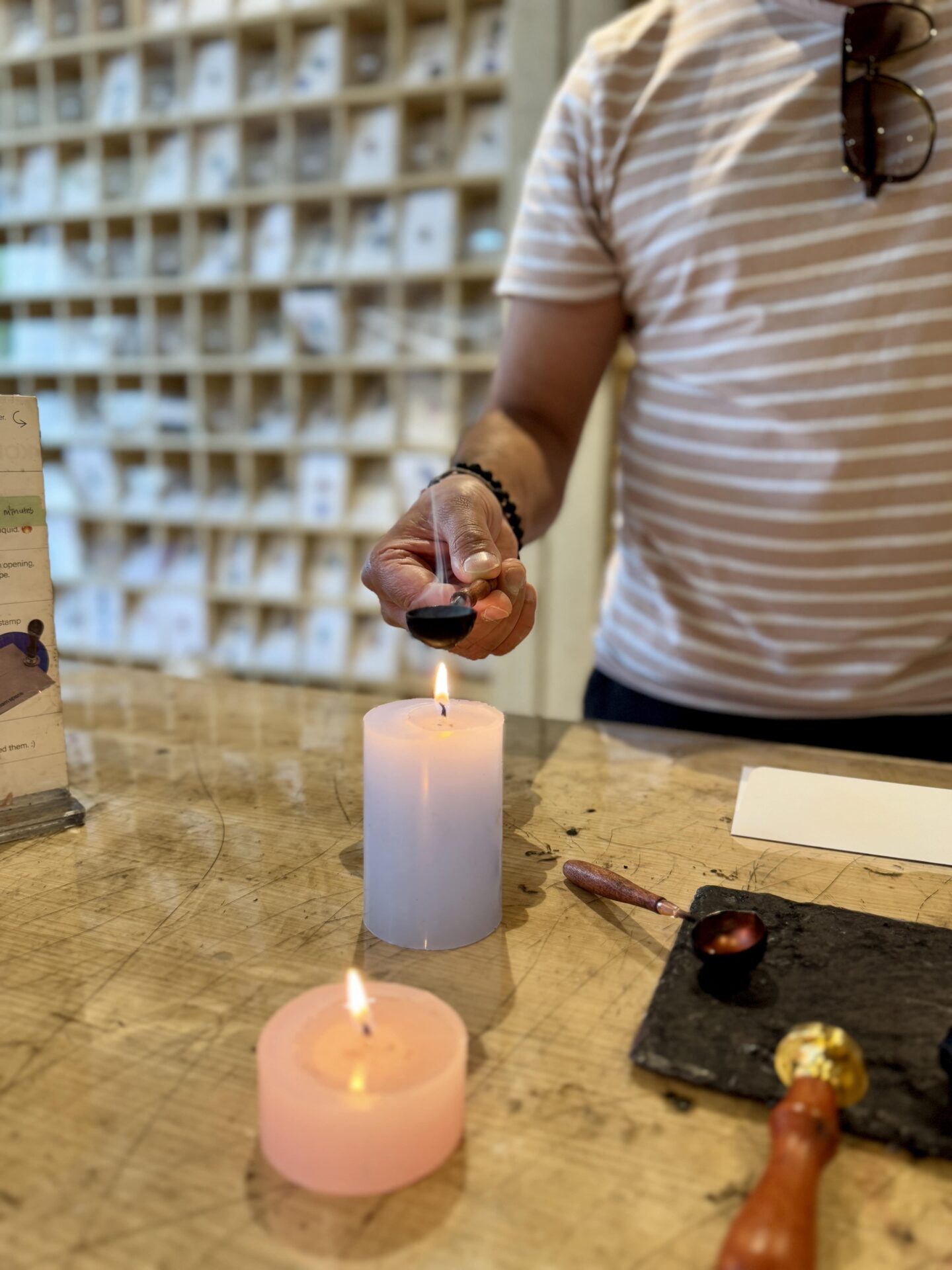

There’s something about reflecting on your life, goals, or even the simple joys of being in Seoul that adds emotional texture to the trip. I later learned that many locals visit the café during transitional phases of life – before military service, after breakups, before exams or when starting new jobs. Which feels nice to know that it isn’t just a touristy gimmick.
It’s beautiful – taking a moment to pause, reflect and send something meaningful into your own future.
Afternoon: Bukchon Hanok Village
Bukchon Hanok Village is a preserved neighbourhood filled with traditional Korean hanok houses, many of which are still lived in. Walking these narrow lanes feels like stepping back into a quieter era, though you’ll still catch glimpses of modern Seoul in the distance.
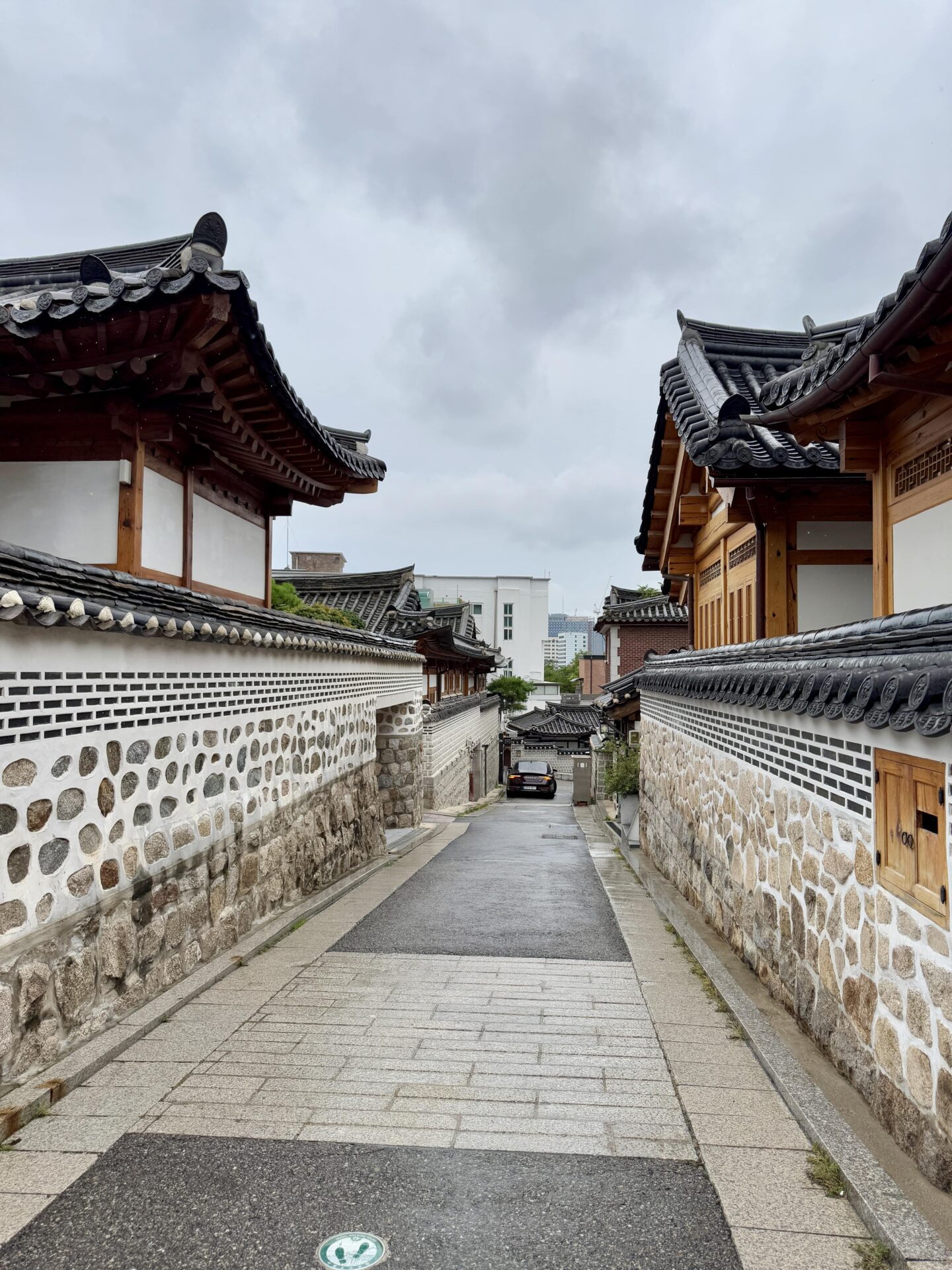
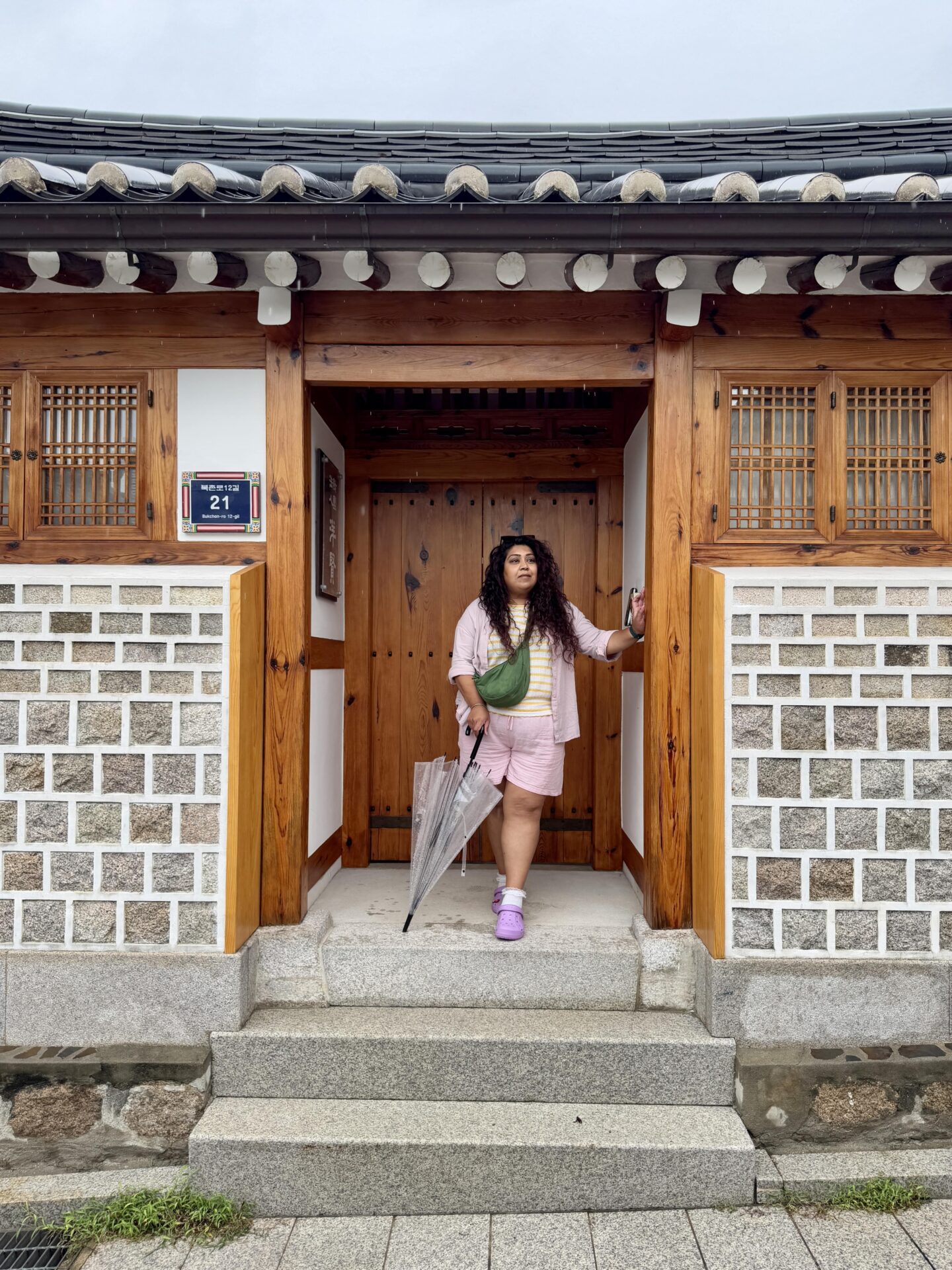
The wooden beams, curved roofs, and stone walls create a kind of architectural calm. You’ll often hear birds rather than traffic which is a welcome change from other parts of Seoul. One thing to keep in mind is that this is a residential area, so there are signs everywhere reminding you to respect the people whole live there and not be too loud.


Modern galleries sit inside old hanok structures in the surrounding area, and you can spot small craft studios keep traditional artwork alive. This is a unique part of Seoul where local life blends in seamlessly with tourism, and it’s wonderful to witness.
Evening: Insadong
After a full day of wandering around Seoul, Insadong is the perfect place to end the day. For centuries, this neighbourhood has been known as Seoul’s cultural heart.
It’s where scholars, calligraphers and ceramic artists displayed their work long before Korea became the modern powerhouse it is today. Even now, many of the crafts you see in shops are handmade by artisans maintaining centuries-old techniques.


You can visit the boutique stores, head to a teahouse on the first floor above the shops and enjoy the view while sipping on some tea and have dinner nearby. One of my favourite vegan restaurants in Seoul is in Insadong; Osegye Hyang 오세계향, a homey, traditional feel restaurant full of home-style cooking and a menu full of Korean dishes recreated in vegan style.
Cheonggyecheon Stream
I would suggest taking a walk down Cheonggyecheon Stream, which is a remarkable example of urban renewal. The stream was once covered by roads and considered a polluted problem area. In the early 2000s, the city restored it; creating a long, peaceful riverside walkway that now cuts through skyscrapers.
The soft lighting and gentle water make it a surprisingly serene place to end your day.
Day 2: A trip to the North Korea border
Visiting the DMZ is powerful, sobering and essential to understanding Korea. The DMZ (Demilitarised Zone) is one of the most heavily charged borders in the world. It’s a place frozen in time since the Korean War armistice was signed in 1953. Visiting feels surreal because it’s both peaceful and tense, a nature reserve and a border, a remnant of conflict and a symbol of resilience.
The Korean War technically never ended; the armistice merely paused it. The DMZ represents a scar of division, a reminder of lost families and a place of hope.

Morning: DMZ Tour
You will start your day early, so I recommend having breakfast at the hotel as most cafes in Seoul don’t open until 10am. You can choose a pick up time of either 8am or 10am for the tour (we chose the latter).
A typical DMZ tour includes:
- Imjingak Park
- Dora Observatory (where you can peer into North Korea)
- The Third Infiltration Tunnel
- The DMZ Museum

The only way to get close to the North Korea border is by booking a tour. The tour guides, many of whom have personal or family history connected to the war offer perspective that is deeply moving.

Price: Starting from £25 per person
Duration: Approx 7 hours
Klook Rating: 4.9/5 stars ⭐⭐⭐⭐⭐
Includes: Transportation from central Seoul and between all stops and English speaking guide
I was fascinated by the history and wanted a peek into what North Korea looks like from across the border, and by booking a tour, it allowed me to do just that. It was one of the best tours I have ever taken abroad, and you can read more about what to expect on the DMZ tour from Seoul here.


We even got to meet a North Korean defector which was incredibly fascinating!
Evening: Myeongdong
You will arrive back in Seoul either late afternoon/early evening. As the tour bus drops you off in Myeongdong, this is the perfect place to explore.
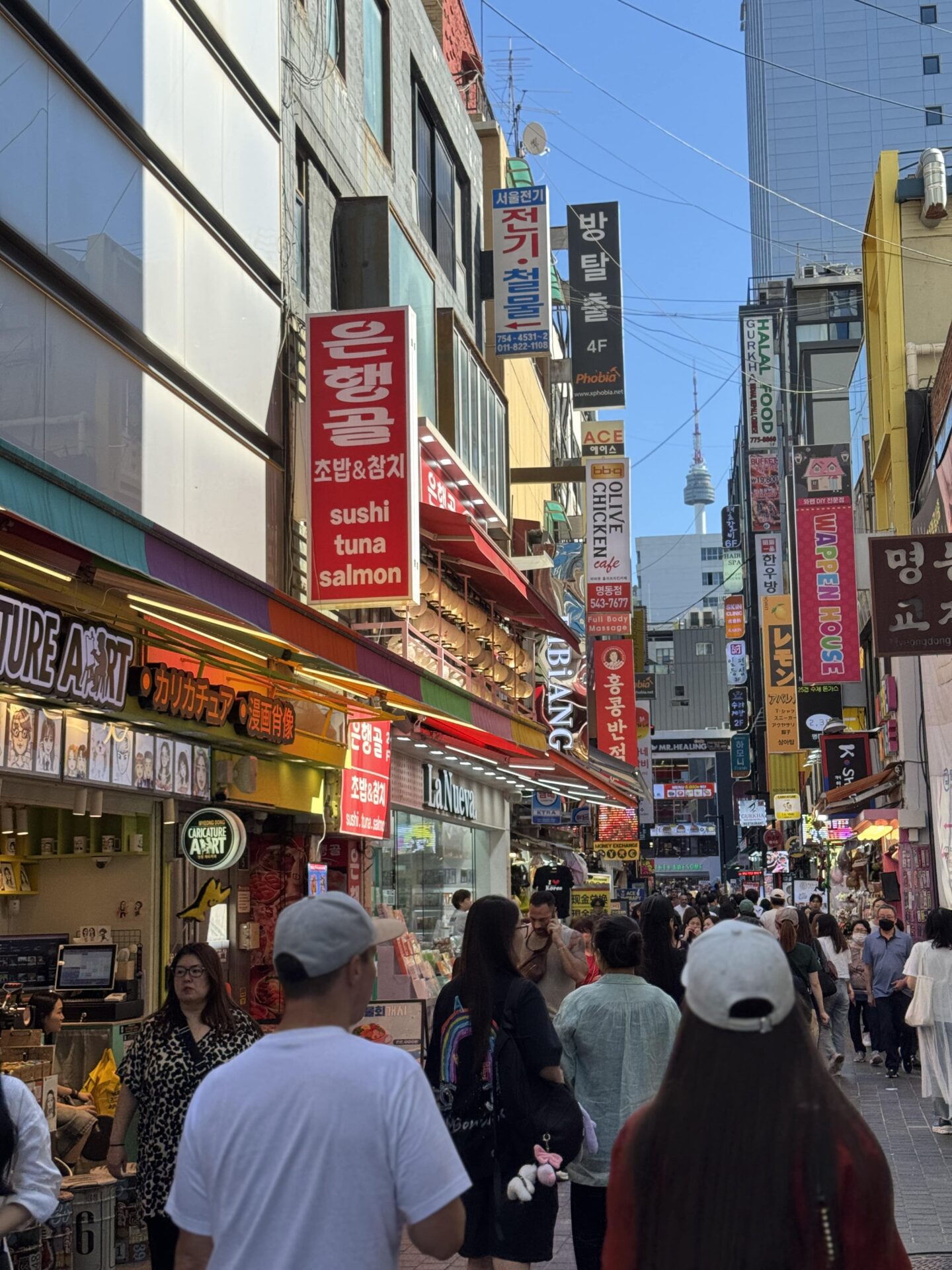
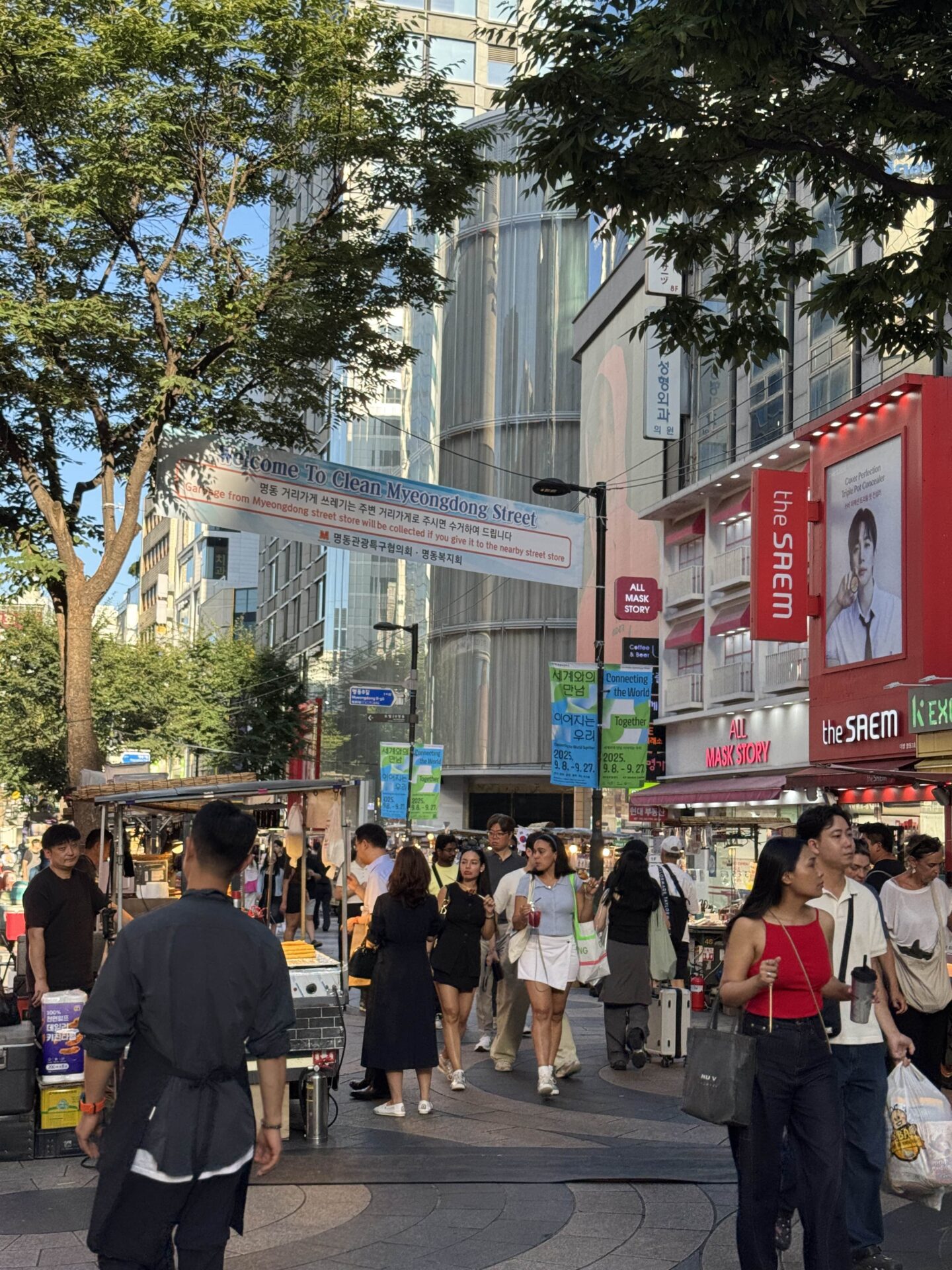
Myeongdong is the perfect emotional contrast to end your day on a high. It’s bright, lively, buzzy – and quite honestly, there are endless things to do in Myeongdong. You could spend two full days here and not see and do it all, but it all depends on how much time you have on your South Korea itinerary.
In a nutshell, Myeongdong is known for:
- Korean skincare shops
- Fashion
- Street food stalls
- Endless neon lights


Even if you’re not shopping, walking through Myeongdong in the evening is energetic and oddly comforting after the heaviness of the DMZ. I recommend trying all the street food at Myeongdong night market which begins setting up at around 4pm – there are so many vegetarian options that I was pleasantly surprised to discover, and the food is incredible.
Day 3: Travel to Busan
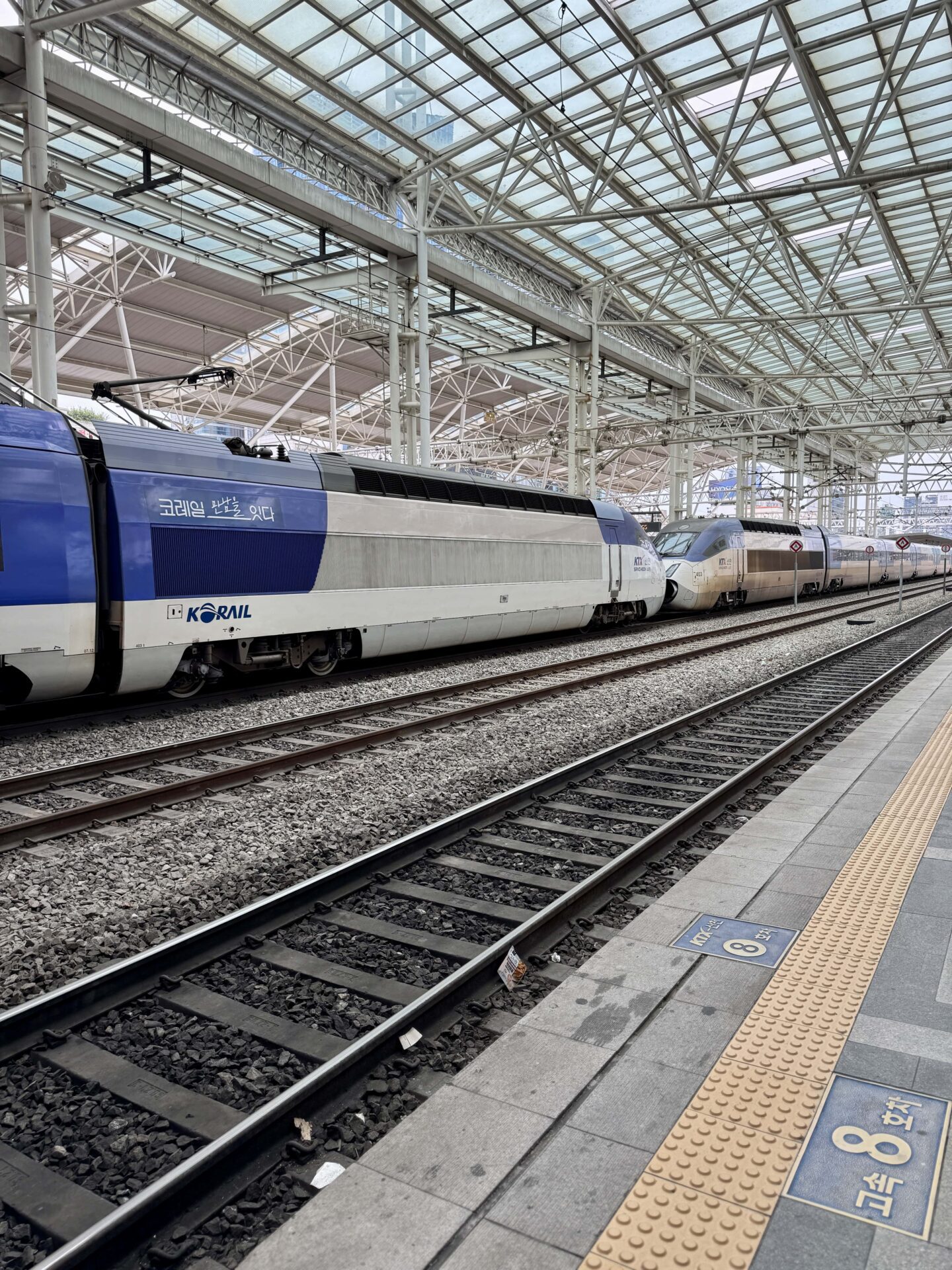
The KTX high speed train from Seoul to Busan takes just over 2.5 hours – and I recommend pre-booking this in advance. Watching the landscapes change from urban sprawl to river valleys and rolling mountains is a stunning reminder of how geographically diverse South Korea is.
Morning: KTX train to Busan
There are frequent trains that run between Seoul and Busan daily, but I recommend having breakfast and booking a train in the morning so that you have half a day to explore Busan.
Afternoon: BIFF Square
BIFF Square celebrates the Busan International Film Festival, which played a huge role in building Korea’s global film identity long before K-dramas and K-pop became worldwide phenomena.
Nampo-dong is one of Busan’s most character-filled districts, with long, pedestrian-friendly streets, independent shops, classic cinemas and hidden alleyways. It’s a brilliant introduction to Busan’s charm: gritty, lively and completely different from the sleekness of Seoul.
Yongdusan Park
A short walk brings you to Yongdusan Park, offering calm views over the port, the iconic Busan Tower, panoramic views of the harbour and city and a chance to take a breather above the city.
Evening: Seomyeon
Seomyeon is Busan’s modern commercial heart, which reminded me of Myeongdong on a smaller scale. It is lively, young and always awake – you can expect underground shopping centres, bright lights, plenty of bars with loud music and people everywhere.


We happened to be there on a Saturday night and it was so much fun! We made friends with some locals over dinner who invited on sharing their food with us and then ended up in a bar, having cocktails with some other locals. The vibes all round were excellent!


It’s one of those places where you wander without a plan – and that’s the plan.
Day 4: Gamcheon Culture Village

Morning: Gamcheon Culture Village
Originally a humble mountainside community built by Korean War refugees in the 1950s, Gamcheon was transformed in the 2000s into a vibrant art village. Local residents and artists collaborated on murals, sculptures, and colourful installations. The result is a maze of creativity sprawling down the hillside.
What I found most interesting is how the village maintains its authenticity. People still live here. Kids run between alleyways. Elderly residents tend gardens. The art isn’t there to sanitise the neighbourhood – this village radiates energy and creativity and is alive with culture.
Sure, it’s touristy but that’s all part of it’s charm. There is so much to do and see at Gamcheon Culture Village, you can easily spend around 3 hours here soaking up the beautiful views.


Afternoon: Nampo-dong market area
The Nampo-dong Market Area is renowned for its large traditional markets, street food, shopping, and coastal views. It is a major commercial hub where you can explore markets such as:
- Gukje Market – a sprawling maze of stalls
- Jagalchi Market – the largest fish market in Korea
- Bupyeong Kkangtong Night Market – a permanent night market, known for its diverse street food, clothing and imported goods.
You can enjoy a wide variety of Korean street food, and experience coastal scenery from locations like the Busan Tower.
Evening: Songdo Marine Cable Car
A great way to end your first full day in Busan is on the Songdo Marine cable car. It sweeps across the bay, offering panoramic views of Busan’s coastline. At night, the reflections on the black water are mesmerising. It’s peaceful in a way that stays with you long after you’ve descended.
Day 5: Coastal Busan – Temples & Beaches
Morning: Haedong Yonggungsa Temple
First thing, head to Haedong Yonggungsa Temple. Built in 1376, this temple is unusual because it sits dramatically on seaside cliffs rather than in the mountains. The sound of waves against rocks creates an atmosphere of serenity that’s quite different from inland temples.

The site is dotted with statues and prayer areas, including the large Haesu Gwaneum Daebul (Goddess of Mercy), zodiac animal shrines and coastal meditation points.
The temple survived destruction during the Japanese invasions and has been lovingly restored.
Haeundae Beach
Haeundae is Busan’s most famous beach that feels cosmopolitan, especially on weekends. Skyscrapers frame the coastline, yet the beach still manages to feel airy and expansive. It’s always so wonderful being by the sea, and this beach was unlike any other I have visited.

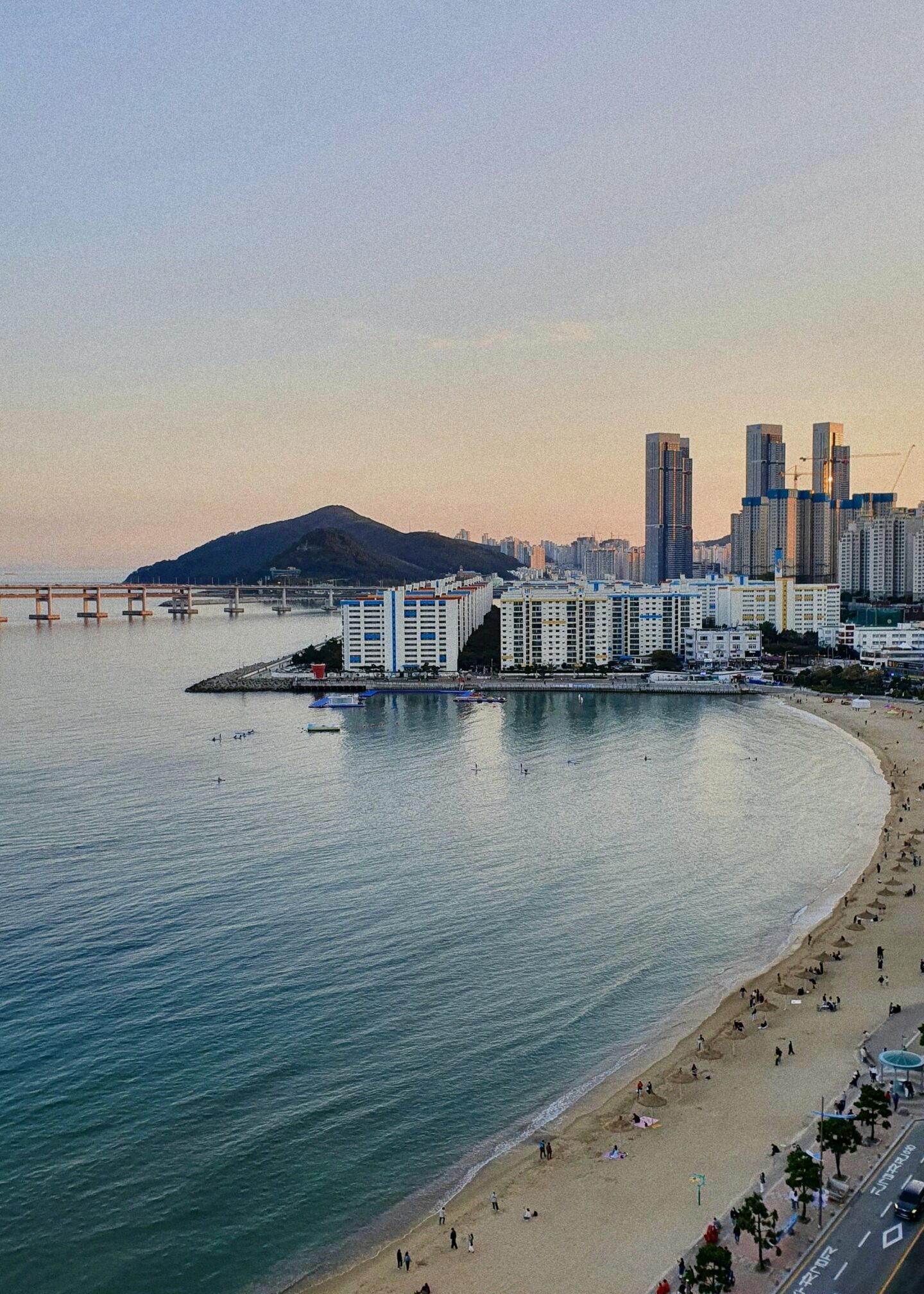
While the temperature was certainly warm in the late 20 degrees celsius, the beach was empty as locals prefer to stay in the shade. The beach itself is very calm and relaxing, while the surrounding streets feel like many other seaside towns, geared for tourists. You will surprisingly find plenty of Indian restaurants here, a few shops and lots of bars.
I recommend lunch at a wonderful hole in the wall place we discovered called Mipo Yeokjeon Garak Guksu 미포역전가락국수. A cheap eats, no frills restaurant with excellent service where the small menu is very vegetarian friendly. It was a fab discovery with excellent food to boot.


Afternoon: Haeundae Blueline Park
From Mipo station at the Haeundae Blueline Park, you can hop on the sky capsule for panoramic views of the sea – this is the postcard view of Busan you will likely have seen everywhere. Sadly, we arrived too late in the day to hop on the sky capsule.


Instead, we rode the Blueline coastal train, which glides along cliffs and beaches, offering uninterrupted views of the ocean. While it’s one of Busan’s most scenic experiences, I would recommend the sky capsule instead.


Cheongsapo Observatory
Head to the Cheongsapo Daritdol Skywalk which stretches out over the sea with a glass bottom – an easy challenge for anyone not afraid of heights. Maybe avoid it if you aren’t a fan of heights though.
Evening: Spa Land
Spa Land is a modern jjimjilbang, that is like a mini resort. You should factor in some rest time on your South Korea itinerary, and the most relaxing spot to check out in Busan. They have 18 hot spring pools, 13 themed saunas, resting rooms, spa areas and more
Gwangalli Beach
Afterward this, head to Gwangalli Beach for one of the most iconic night views in Busan. Gwangan Bridge lights up in moving colours that reflect across the water.
Day 6: A day trip to Gyeongju
Gyeongju is often called “the museum without walls,” and rightly so as it is one of the most historically rich cities in the country. The best way to get there is by pre-booking the KTX high-speed train from Busan Station to Gyeongju Station, which takes around 30 minutes.
Morning: Bulguksa Temple
Bulguksa Temple is one of Korea’s most iconic Buddhist temples and a UNESCO World Heritage Site. Located about 25 minutes from the city centre, you can take a bus or a taxi to visit the temple, which represents the height of Silla Buddhist architecture.
Stone steps lead to colourful halls, wooden pavilions and ancient pagodas. It’s peaceful and deeply atmospheric, set against a backdrop of forested hills and serene walking paths.

Afternoon: Daereungwon Tomb Complex
One of the most fascinating parts of Gyeongju is the Daereungwon Tomb Complex, sometimes called Tumuli Park. A landscape of grassy burial mounds, once the resting places of Silla royalty. Walking or cycling through them feels surprisingly meditative and monumental.

Inside the park, Cheonmachong is one of the most notable tombs that you can actually walk inside. The artefacts inside offer a fascinating glimpse into royal life over 1500 years ago.There’s also a museum that explains the significance and construction of the tombs – perfect for history lovers.
Cheomseongdae Observatory
The Cheomseongdae Observatory is the oldest surviving astronomical observatory in Asia, located nearby. Built in the 7th century, this modest stone structure played an essential role in observing the stars during the Silla Kingdom.
Evening: Donggung Palace and Wolji Pond
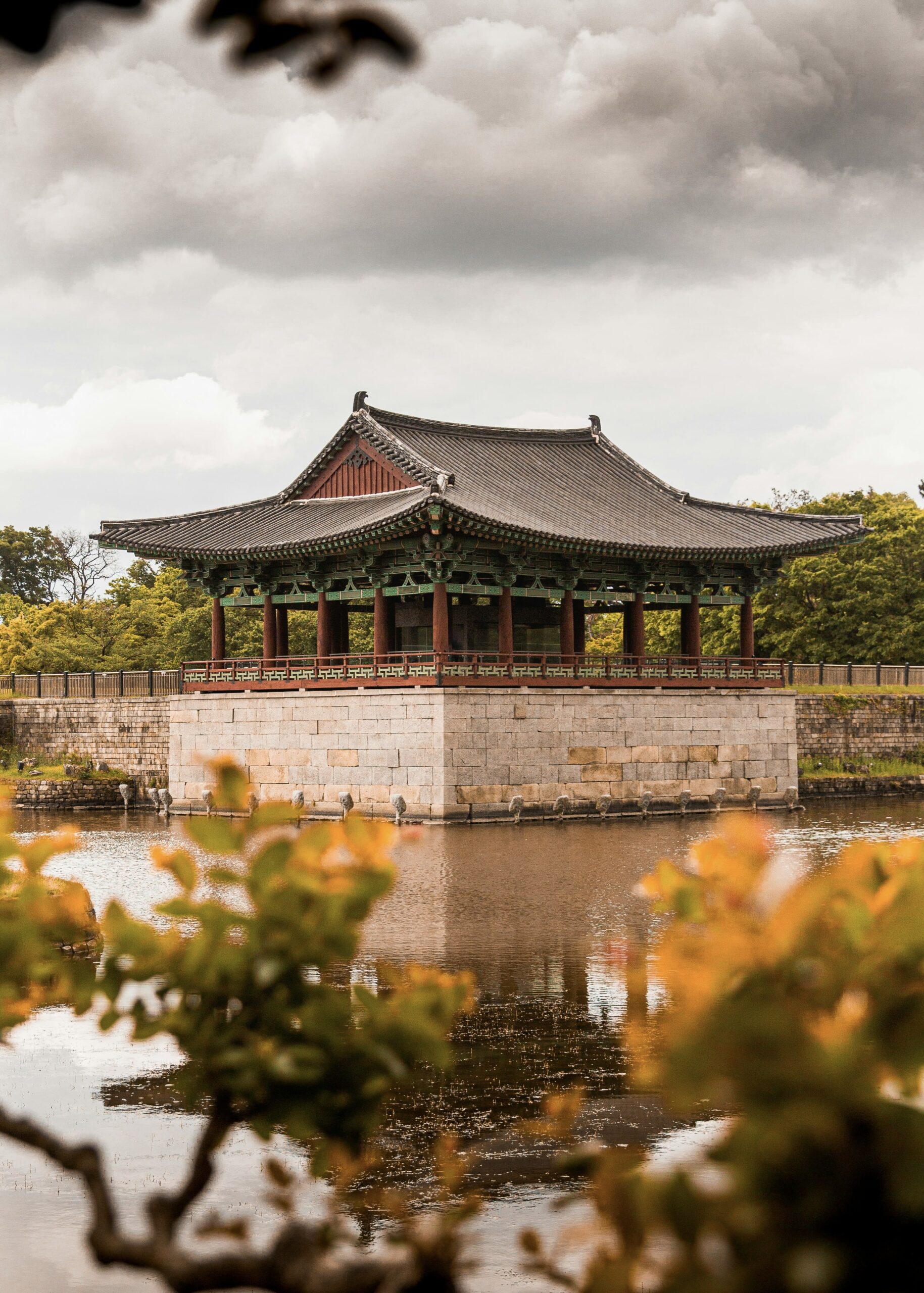
End your day at Donggung Palace and Wolji Pond to see the reflection of the palace buildings on the water, which is especially beautiful at night when lit up. Have dinner at a local restaurant before heading back to Busan.

Alternatively, I would recommend booking a tour around Gyeongju from Busan. They will take care of all the transport between taking you around all the notable sites all in one day. Check availability for the tour here.
Day 7: Back to Seoul – Temples, Markets & Theatre
Morning: Jogyesa Temple
I recommend booking an early train from Busan back to Seoul so you have a full day to explore. Head to Jogyesa Temple makes for a peaceful start to your day. The temple is the centre of Korean Zen Buddhism, known for its massive ancient trees and beautifully decorated lanterns. Even though it’s in central Seoul, it feels peaceful and contemplative.


We arrived early in the morning as the sunlight was bouncing off the colourful lanterns in the courtyard. Crossing over the tiny footbridge with the locals made this feel far from a touristy experience, and it was beautiful.


Afternoon: Namdaemun Market
Namdaemun Market is of Korea’s oldest markets, dating back to the 15th century. It’s lively, loud, and full of character. Each alley specialises in something different – textiles, kitchenware, jewellery, clothes, crafts. There is so much to discover here, and if you want to shop, I suggest allowing enough time as the market closes at 5pm.


Incidentally, Namdaemun Market is the only place in Korea that I found selling children’s clothing and accessories when shopping for gifts for my niece and nephew. I bought some cute tiny outfits along with some quirky jewellery for myself. Don’t forget to check out the selection of socks! Socks are sold all over Seoul; they are all very quirky and an affordable price – Namdaemun Market has a bigger selection than the night market in Myeongdong.
Evening: NANTA Theatre Show
Once Namdaemun Market closes, I would hop on a bus to Myeongdong. You can do some more shopping – particularly if you are into the K-beauty scene, or have some delicious street food.
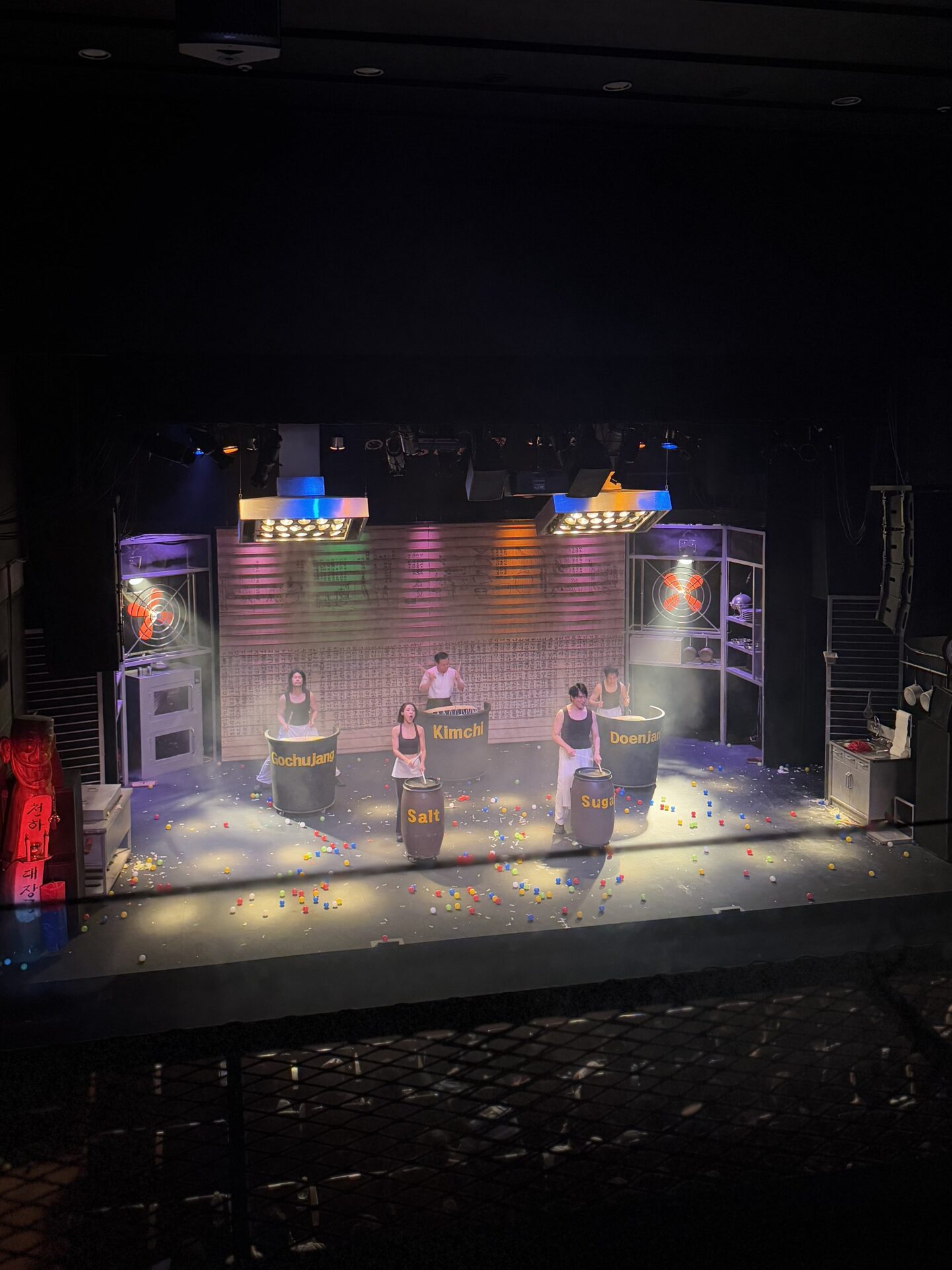
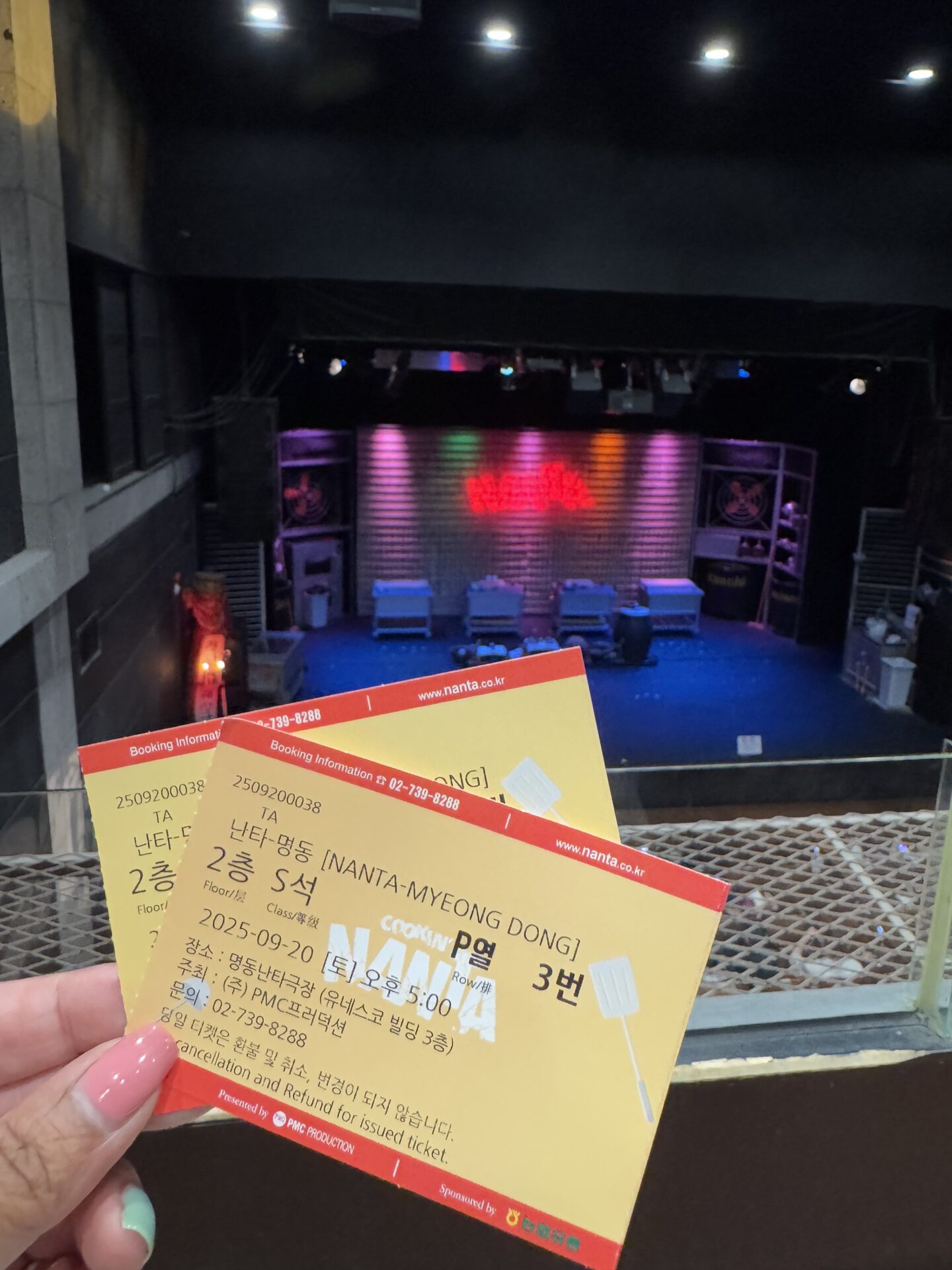
I would pre-book theatre ticked to the NANTA show in Myeongdong – which starts at 8pm. You don’t need to understand Korean, or even English in order to enjoy this show and it was wonderfully brilliant!
NANTA is Korea’s longest-running non-verbal performance, mixing percussion, comedy and choreography. It’s light-hearted, fun and great for travellers of all ages. If you ask me, it’s a must-see at some point on your 10 day South Korea itinerary – we really enjoyed it.
Price: Discounted prices from £15 per person
Duration: 90 minutes
Klook Rating: 4.8/5 stars ⭐
Includes: Seat reservation. You can purchase drinks and snacks at the theatre, if you wish.
Day 8: Itaewon & Namsan Tower
Morning: Changdeokgung Palace
Changdeokgung Palace is known for harmony with nature. Unlike the formal layout of Gyeongbokgung Palace, this palace follows the contours of the land and is a beautiful place to visit.
Secret Garden
The Secret Garden was once a private royal retreat. The lotus pond, pavilions and wooded paths were designed as a place for study and meditation, which gives you a glimpse into quieter royal life.
Afternoon: Itaewon
Itaewon is multicultural and eclectic, but quiet. You’ll find a mix of cafés, boutiques and international cuisine due to the large number of expats who reside there. It’s a good place for a slower-paced wander, but I would say that you don’t need to spend too long here unless you’re having lunch.


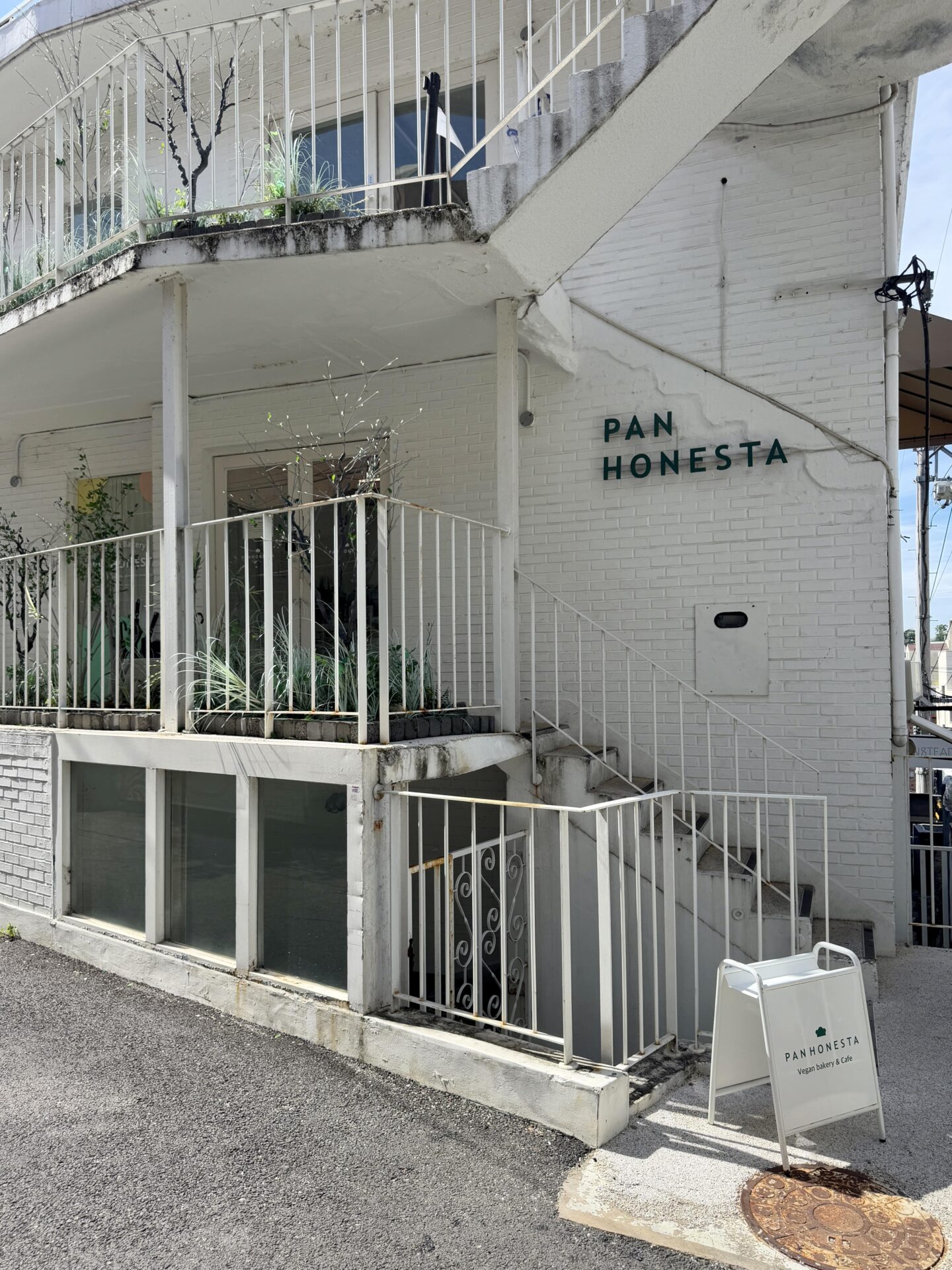
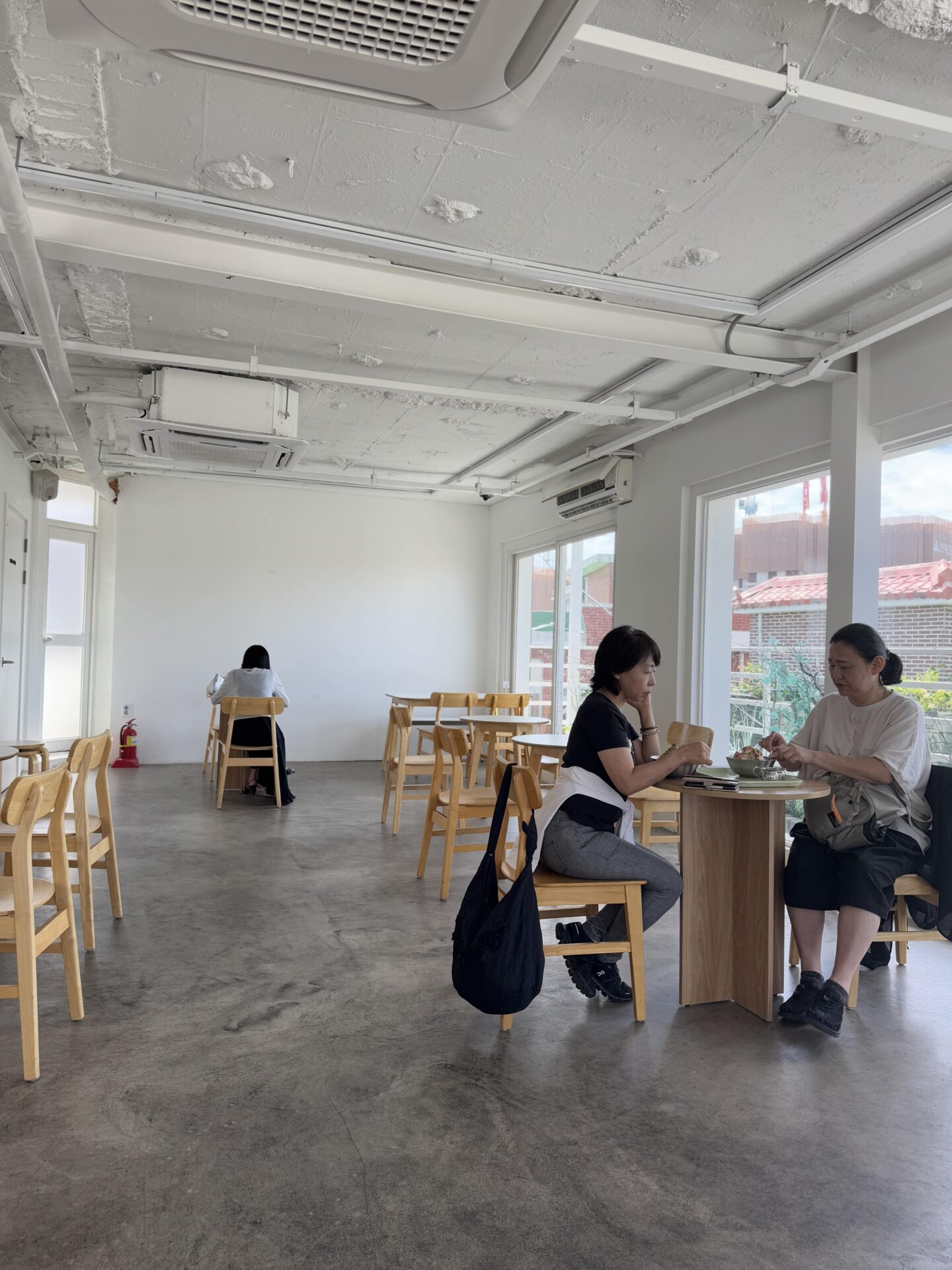
We actually only went to Itaewon because I’d found a popular cafe in Seoul serving vegan bingsu – something that became a bit of an obsession for me on this trip. Bingsu is a popular Korean dessert made of finely shaved frozen milk, and being lactose intolerant, there weren’t many options available to me apart from Pan Honesta 빵어니스타이태원점. I can confirm it was excellent.

National Museum of Korea
Nearby, you can visit the National Museum of Korea for ancient artefacts, culture and history, as well as the Korean War Memorial & Museum.

Korean War Memorial & Museum
The war memorial was comprehensive and moving and I really enjoyed the interactive, poignant exhibits, war memorabilia, art works and interactive military equipment.


Both places offer context that deepens your understanding of the country and is the perfect place to learn about Korea’s history of war.


Evening: N Seoul Tower
Perched on top of Namsan Mountain, the N Seoul Tower, also called Namsan Tower, offers panoramic city views. Even without going up the tower, the viewing platforms outside are spectacular, especially after sunset.

Day 9: Gangnam & Hongdae
Gangnam is polished, modern and luxurious; it’s the Seoul you see in movies – however, most people have probably only heard of Gangnam from Psy’s global hit; Gangnam Style.
Unless you have a huge budget, you likely aren’t staying in Gangnam, so I’d suggest getting the metro first thing in the morning and heading to the COEX Mall in Gangnam.
Morning: Starfield Library
Inside COEX, you’ll find the instagram-famous Starfield Library which features soaring bookshelves that feel almost theatrical. You will instantly recognise it by the crowds of people hanging around waiting to get that perfect shot, while others go up and down the escalator multiple times in the hope of the crowds dissipating.


Personally, I don’t think you need to spend longer than about 15 minutes here. Sure, the library is breathtaking, but there’s not much else to see and do.
Gangnam Style Statue
Outside the mall, you will also find the infamous Gangnam style statue. I’m not into K-Pop, but you can tell this is a popular photo spot in Seoul. They have a barrier for people to queue, alongside a phone stand for those travelling solo who may want a photo. There happened to be no queue when we visited, so we snapped a quick photo.

Bongeunsa Temple
Bongeunsa Temple is directly opposite COEX Mall. While there’s not much in the way of historical charm in Gangnam, the temple offers a peaceful contrast with its quiet courtyards and towering Buddha statue.


Afternoon: Drunken Bean Cafe
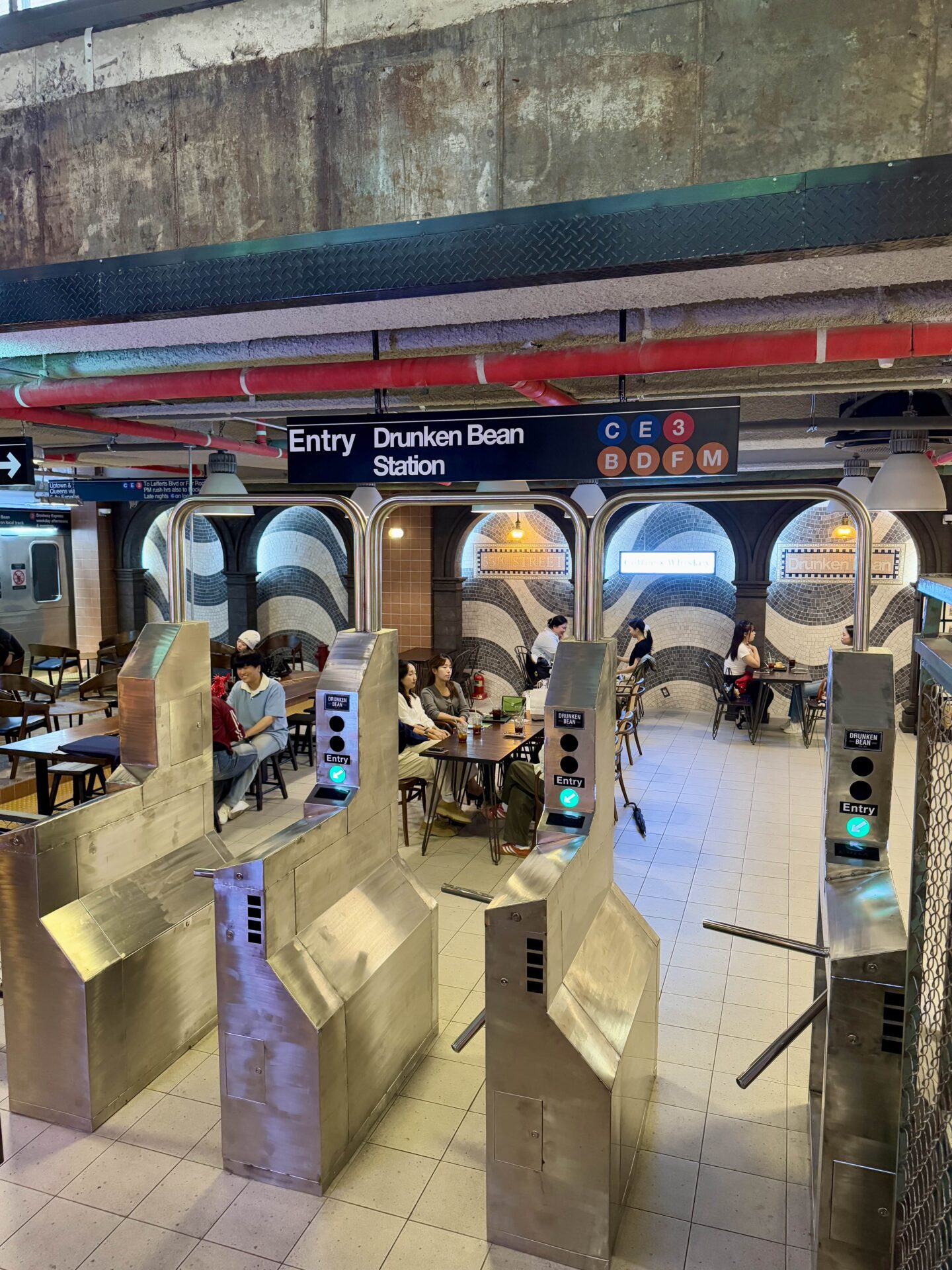
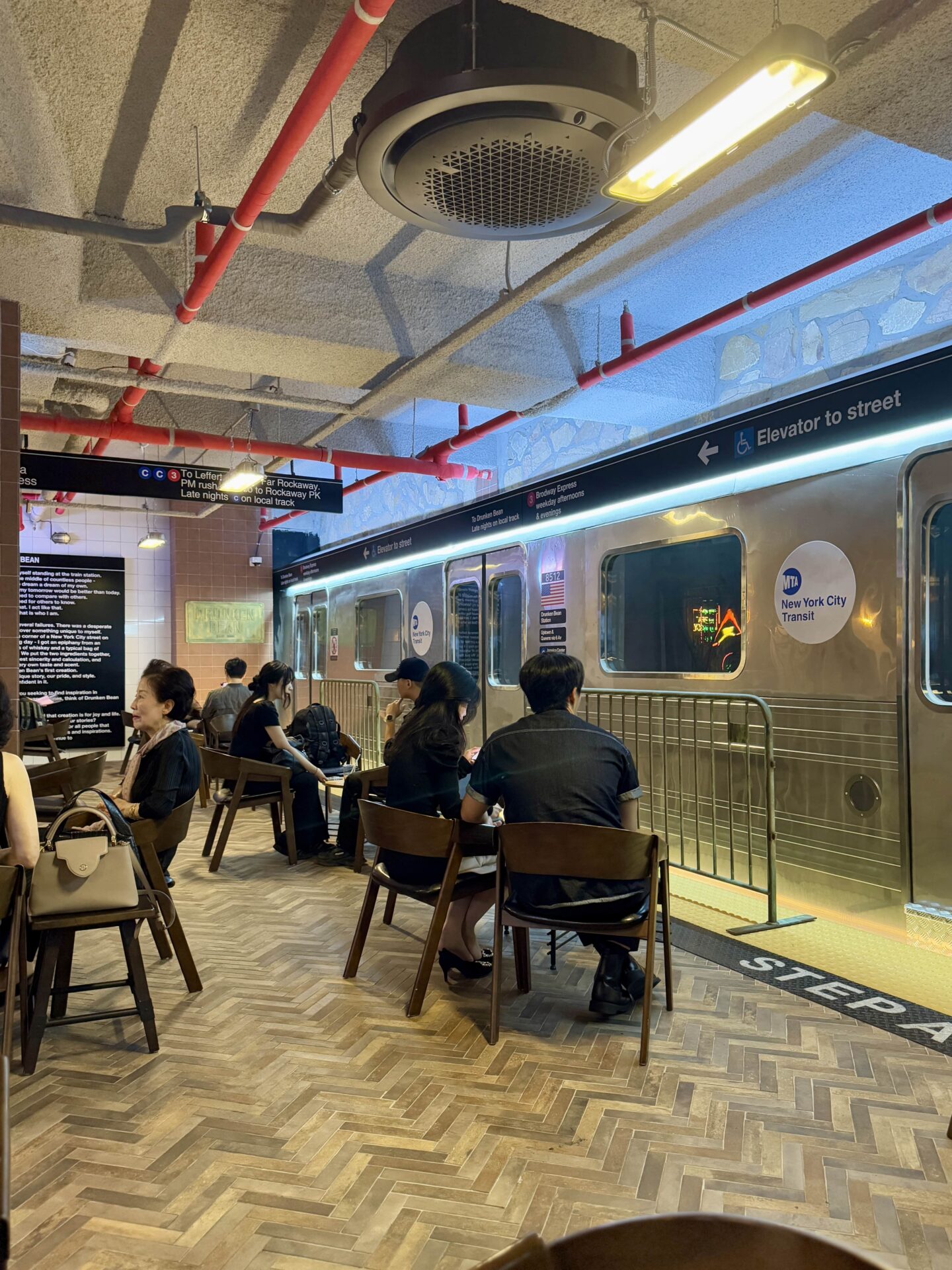
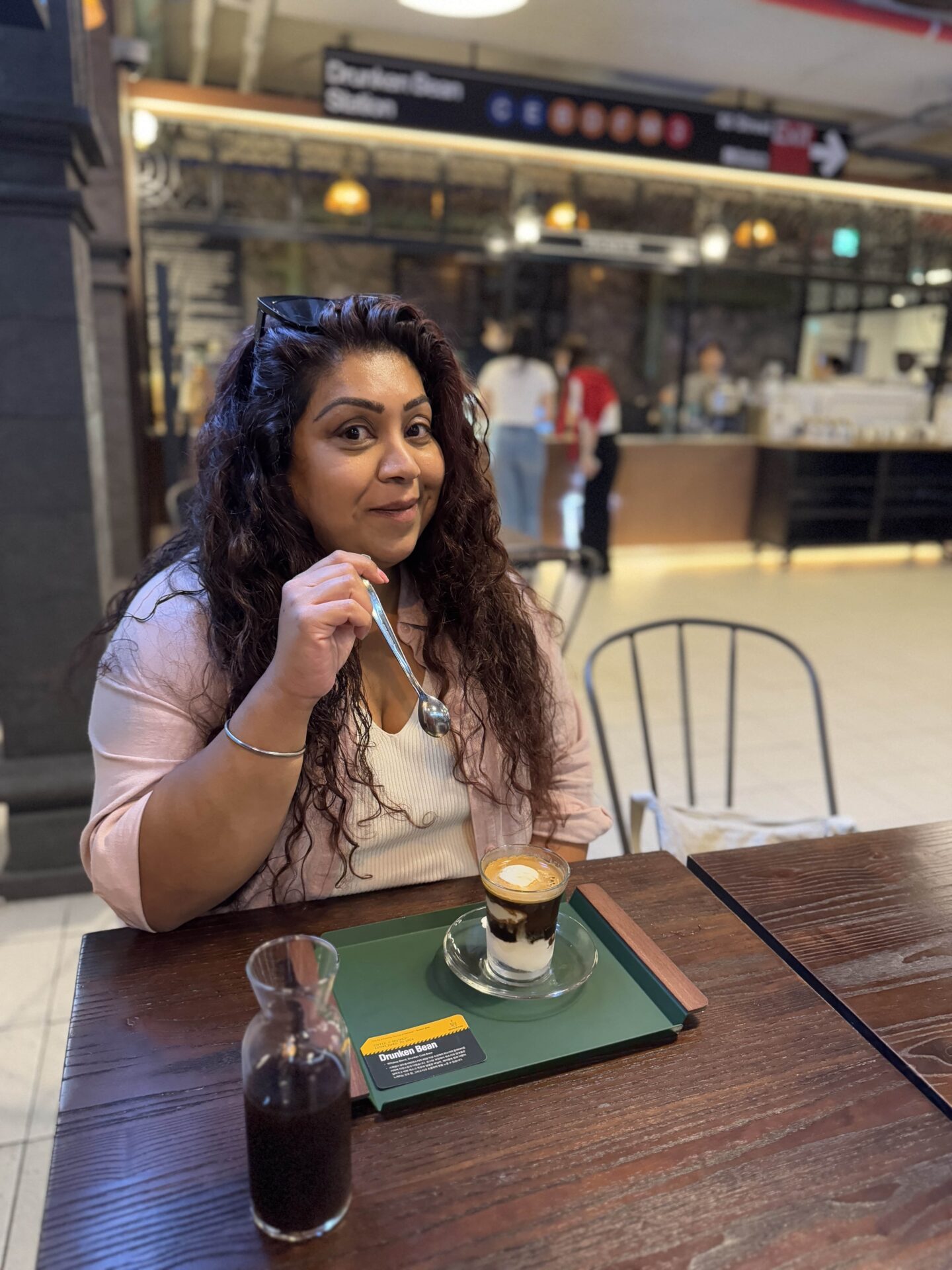
Seoul is renowned for it’s unique themed cafes and Gangnam is no exception. Tucked away on the back streets is a hidden gem called Drunken Bean 드렁큰빈 which took me by surprise. A themed cafe where you are instantly transported into the depths of the New York subway.
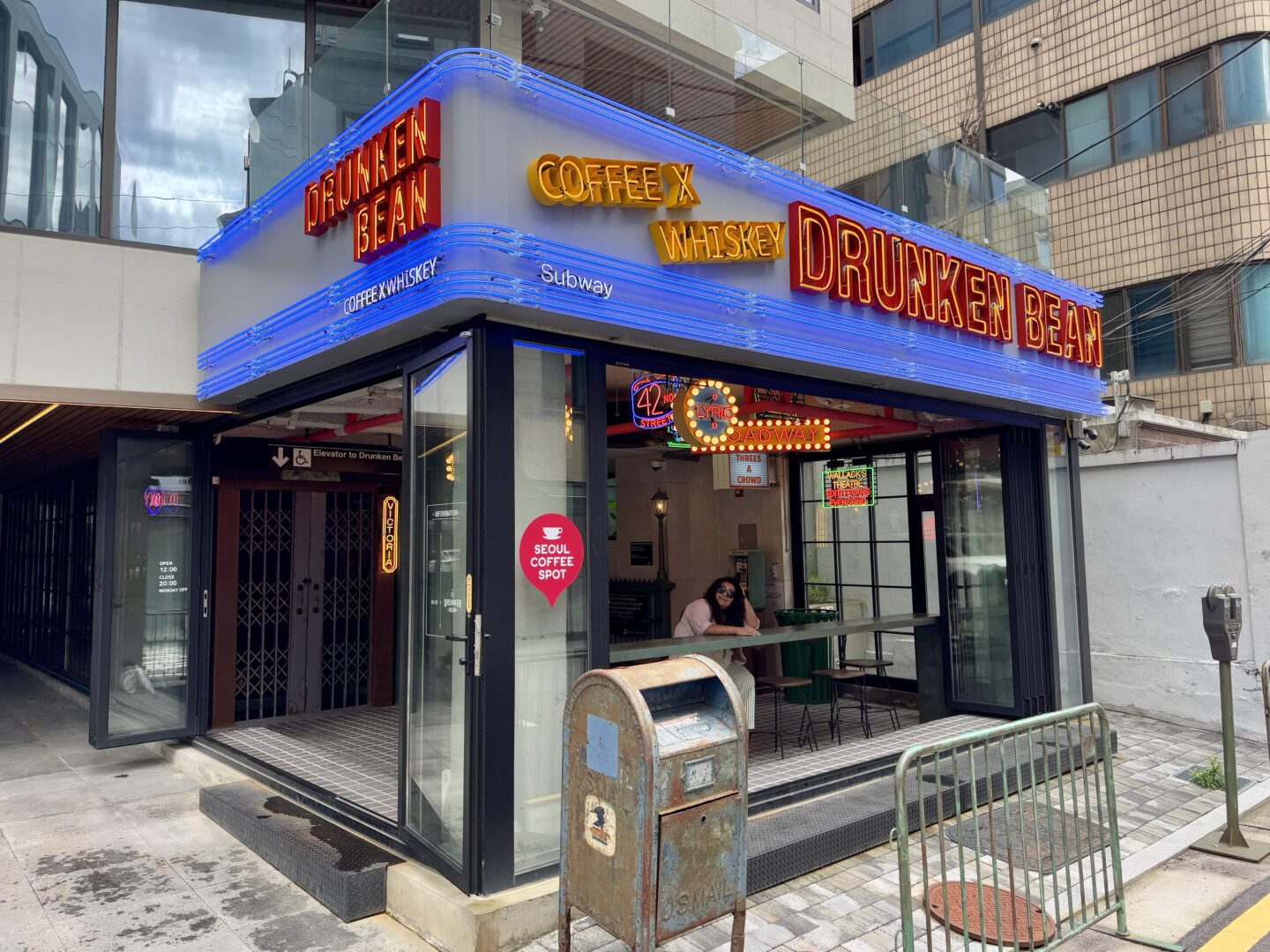
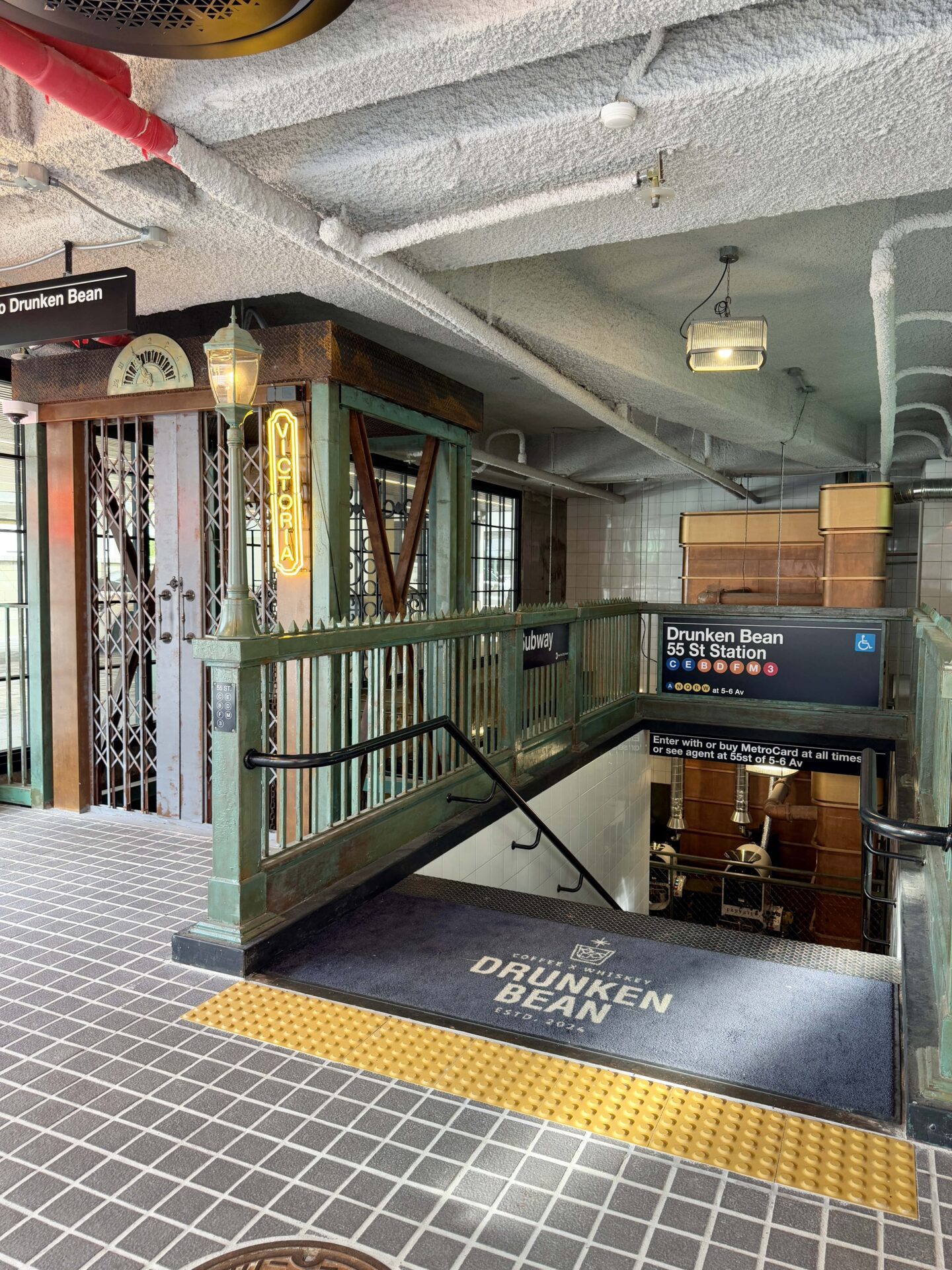
While it’s a bit of a walk to find, it’s well worth seeking out for a fun experience – the cafe is far from touristy, it was busy and full of locals when we visited, which is always a great sign. It’s immersive without being gimmicky, the kind of place where you can sit back, people-watch, and almost forget you’re in Seoul.
Evening: Thanks Nature Cafe, Hongdae
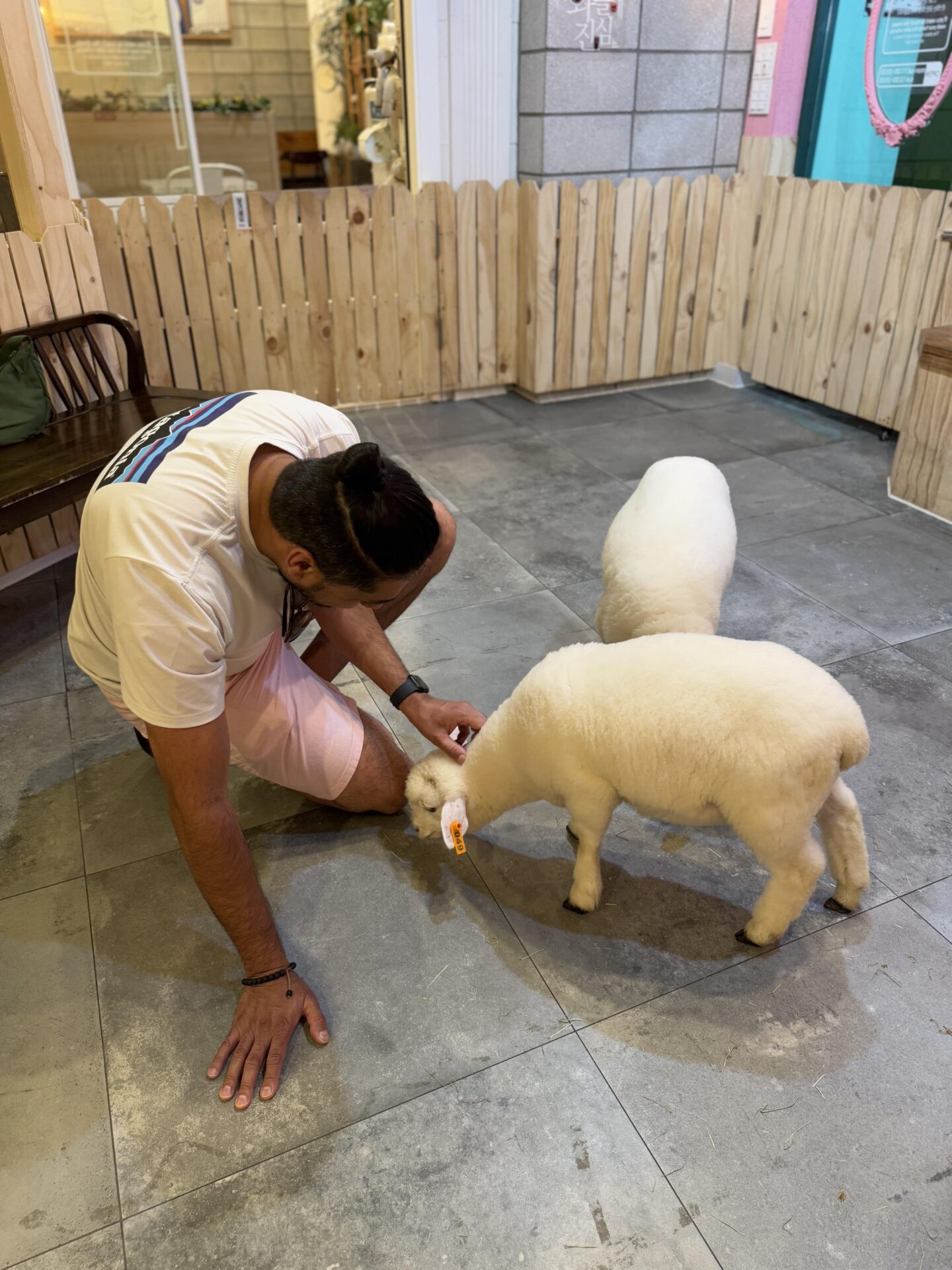
You’re going to be cafe-hopping from Gangnam to Hongdae today, but I think that Thanks Nature Café 땡스네이쳐카페 is a place you must visit during your time in Seoul.
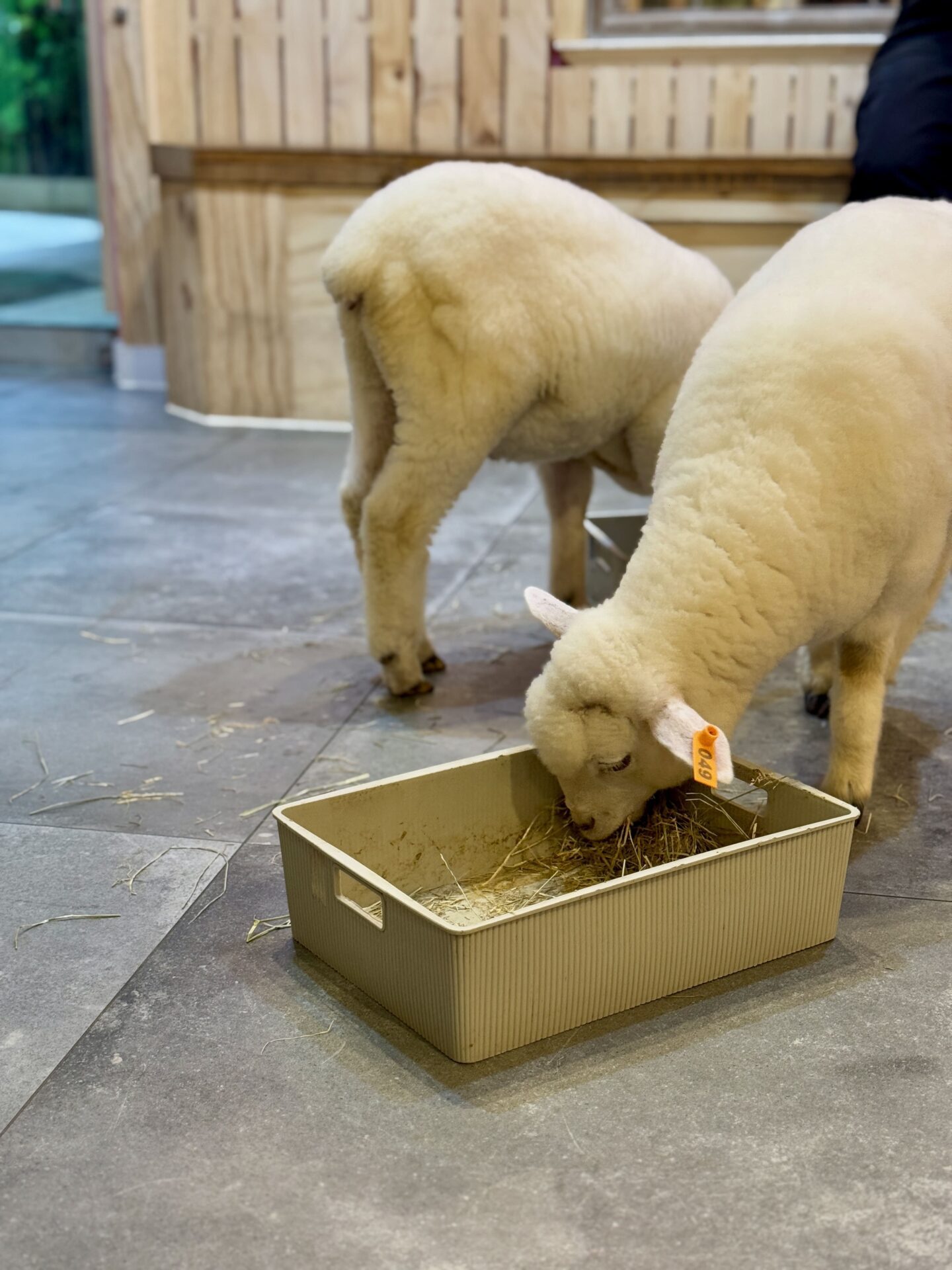
Located in Hongdae, this cafe is incredibly unique thanks to their resident baby lambs. When we visited, there were two tiny three-month old lambs, called Haha and Hoho.
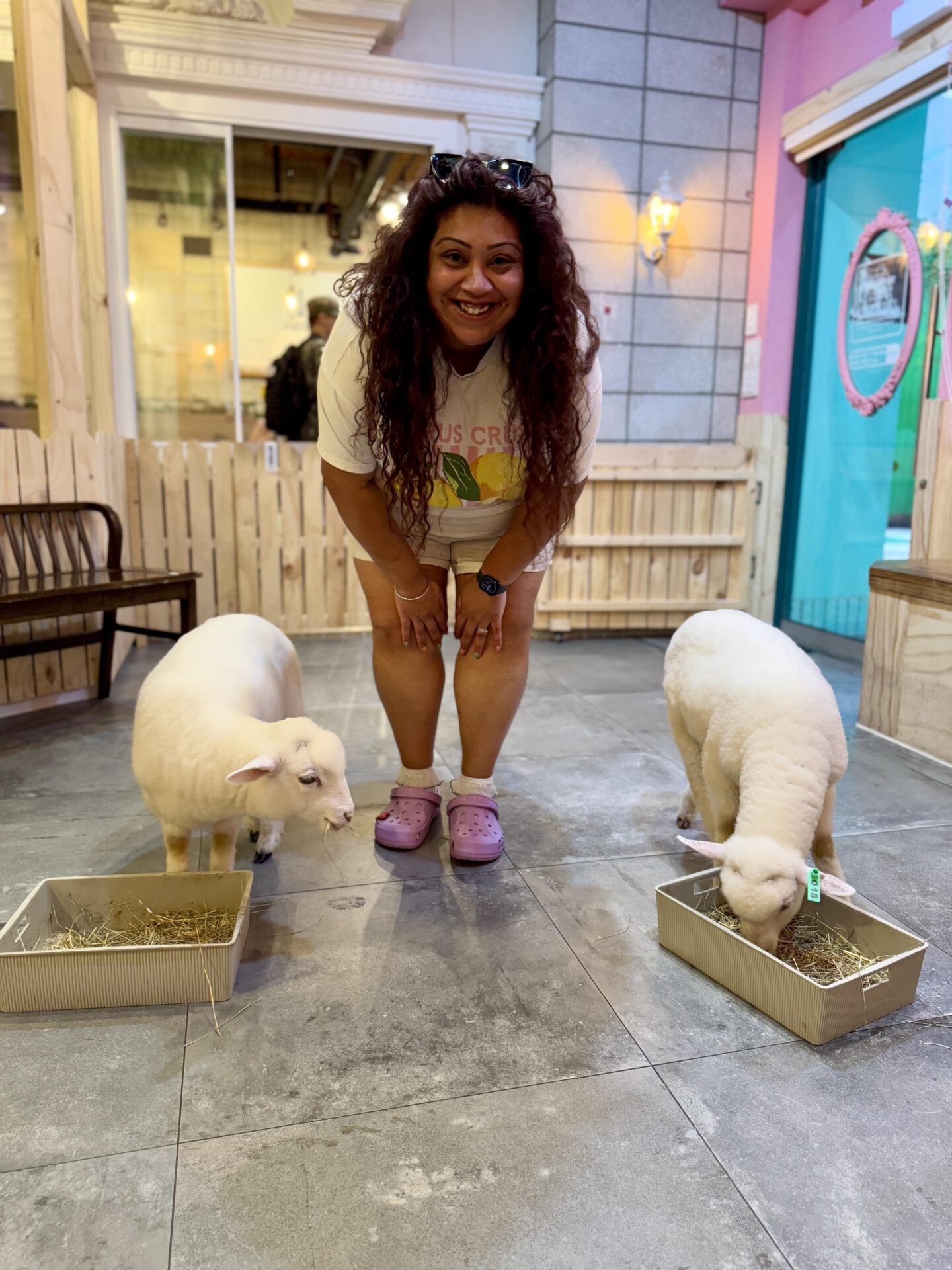
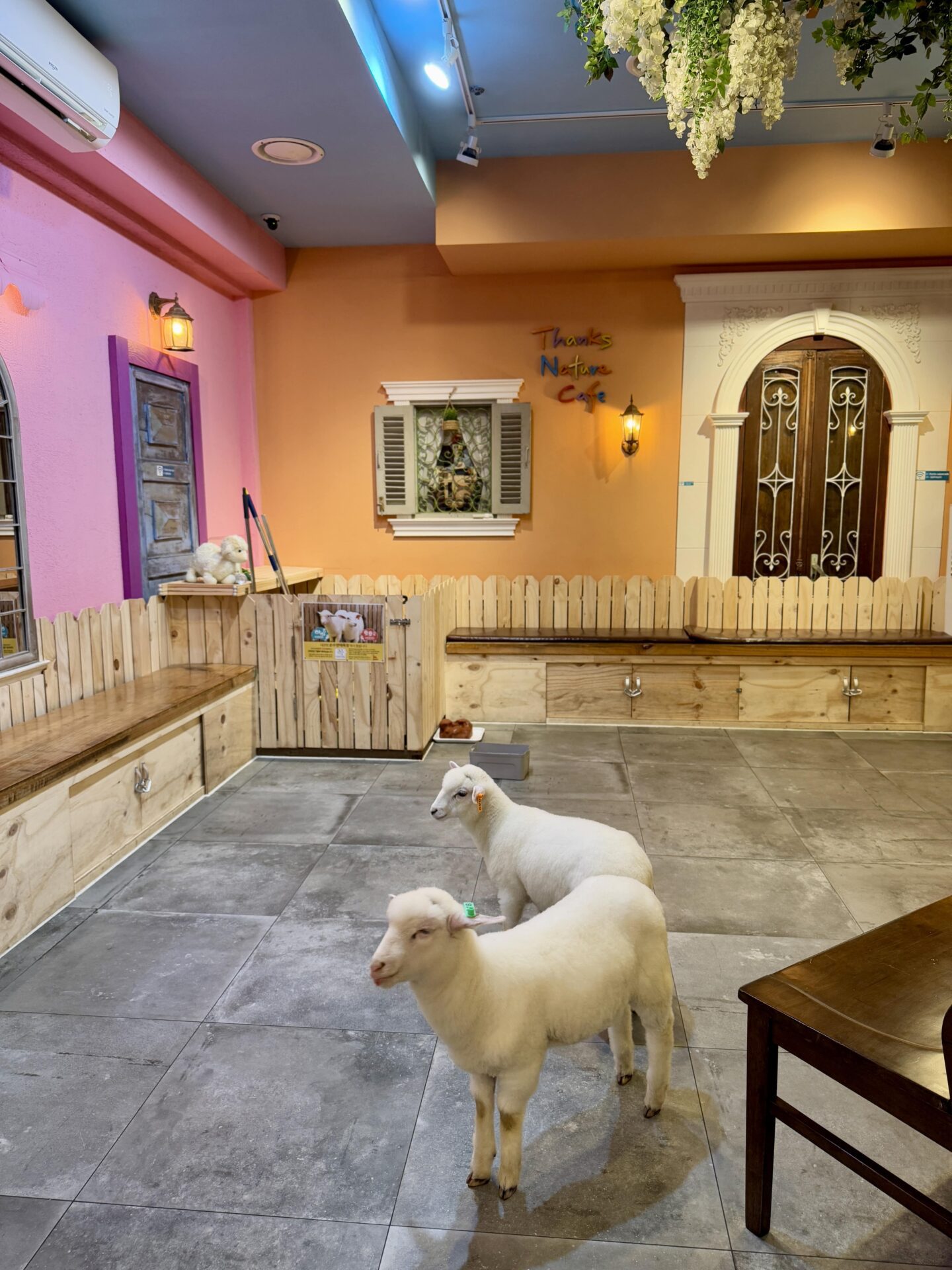
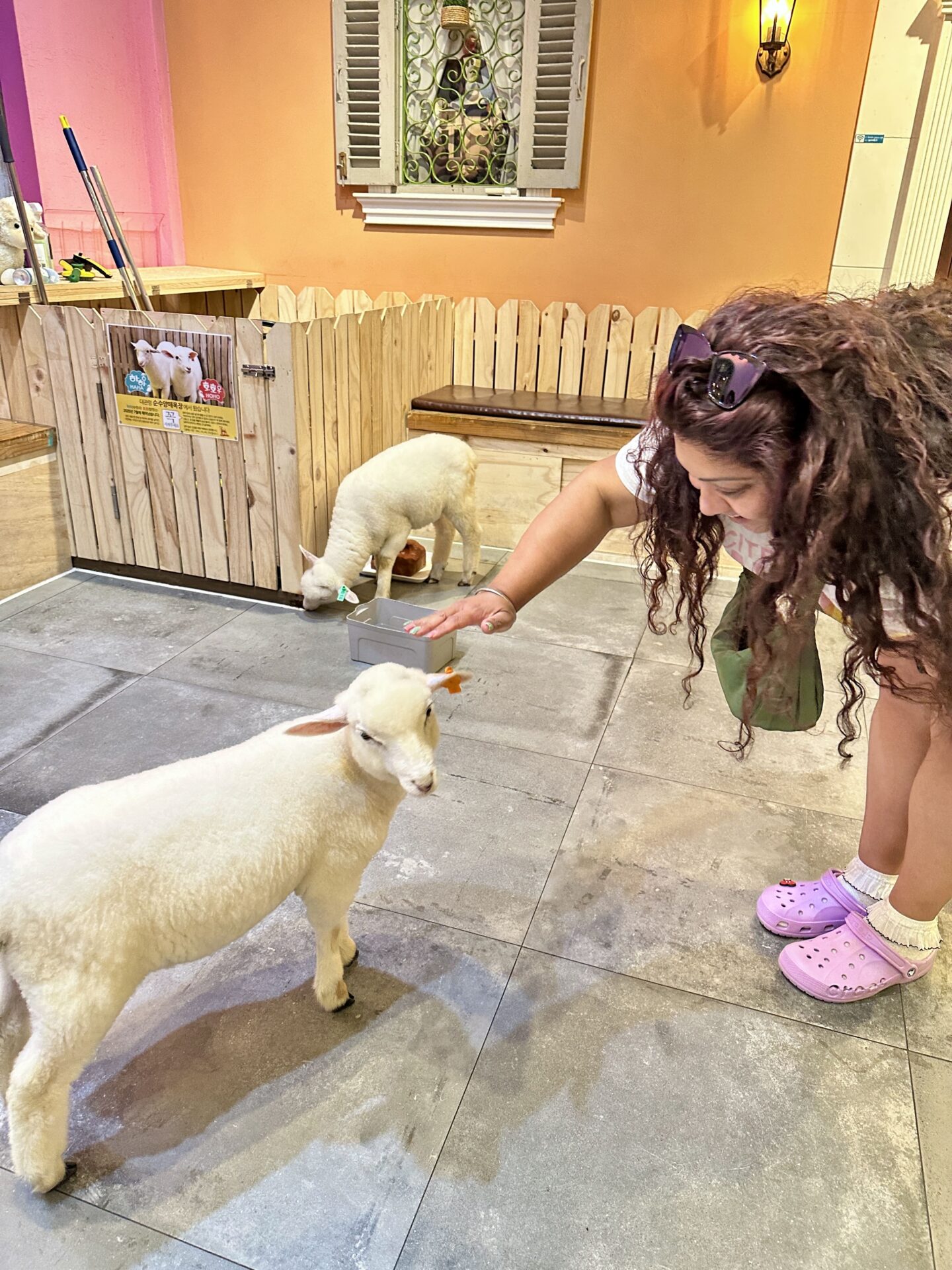
When I’d read about this place, I thought it might have been a joke, so I couldn’t quite believe my eyes at first. They really do exist and you can pet the baby lambs for as long as you want – even while sipping on your drink, if you so wish.
This cafe truly takes the crown for sheer quirkiness and this was genuinely one of my favourite, most wholesome experiences in Seoul.
Hongdae
Hongdae is creative, youthful, and energetic. It’s the heart of Seoul’s indie culture scene with street performers, art studios, unique cafés and vibrant nightlife.
It’s a popular spot for nightlife and a brilliant place to spend your last night – spontaneous, fun, and full of Seoul’s creative energy.


You could even indulge in some karaoke seeing as it’s your last night in South Korea!
Day 10: Fly Home
Sadly, all good things come to an end and after this jam packed 10 day South Korea itinerary and depending on what time your flight is, you probably want some time to relax, shop or revisit somewhere you loved.
Korea has a way of lingering in your mind long after you’ve left – the sounds, the scenery, the kindness of strangers, the reflective moments and the buzzing nights. It’s a country unlike any other I have visited and there is too much to see and do to pack it into 10 days.
If you have more time in Korea
This 10 day South Korea itinerary captures the essence of the country: history, culture, art and moments of unexpected calm. It’s balanced, realistic, and rooted in my personal experience, designed to help you enjoy the country without feeling rushed. However, if you have an extra day or two in South Korea, I have a few more suggestions for how to spend them.
You could easily add another day in Gyeongju and spend a night there instead of doing a day trip. This way you can explore it at a more leisurely place.
You can fly to Jeju from Busan or Seoul for a couple of nights and hire a car there to explore the island. We did this, flying from Busan and then back to Seoul – and while there are some fabulous places to explore in Jeju, they are pretty spread out. You will need to hire a car there to be able to get around easily, and two night will be sufficient if you concentrate on one part of the island.
Equally, you can spend longer in either Seoul or Busan – book in some beauty treatments such as a facial or have your colour analysis done. This is something I wanted to do, but spaces get filled far in advance as it is so popular here and I booked our trip at the last minute.
You could do a temple stay, visit Lotte World, do a day trip to Jeonju Hanok Village from Seoul, enjoy some of the hiking that Busan has to offer and more!

Is it safe to travel to South Korea?
This was a question many people asked me before and after our trip to South Korea, and I can understand that people may be concerned about political tensions between the North and South.
The tension didn’t affect us in any way – and South Korea is one of the safest countries in the world to travel to. The political situation is constantly changing and you can make an informed decision about what is safe and comfortable for you at the time of your trip. I would just say to take the usual precautions that you would anywhere else in the world.
How to plan a trip to South Korea
Planning a trip to South Korea is surprisingly straightforward, especially for first-time visitors. My biggest tip is to start with the flow of your destinations. Most travellers anchor their trip around Seoul and choose a couple of add-on cities like Busan, Gyeongju or Jeju depending on their interests. The country’s transport system is incredibly efficient, so hopping between cities on the KTX high-speed train is quick and painless.
Once you have your destinations, think about your travel style. Do you like full days of sightseeing? Or do you prefer to wander slowly, stopping for cafés and viewpoints along the way? Korea caters to both. I personally enjoy slow travel, which is why my original trip was over two weeks – but this 10 day South Korea itinerary shows how much you can do in ten days if you plan things well.
Accommodation is easy to arrange, and public transport within cities is intuitive thanks to the T-money card and excellent signage. I recommend saving locations on Google Maps or Naver Maps (which tends to be more accurate in Korea).
I would recommend booking tickets for experiences in advance – the DMZ tour, NANTA theatre show, KTX train tickets on busy weekends, beauty treatments and any other tours or guided day trips that are of interest to you. Korea is generally spontaneous-traveller friendly, but certain things are extremely popular and sell out early.
When is the best time of year to visit South Korea?
South Korea has four distinct seasons and I reckon if you ask ten people when to visit South Korea, you’ll probably get ten slightly different answers. Most travellers, myself included, end up gravitating toward spring and autumn. These shoulder seasons are when the country feels the most magical and the temperatures aren’t too extreme.
Spring brings cherry blossoms, crisp mornings and that soft pastel haze sounds magical. Autumn on the other hand, is beautifully golden. We visited in September and timed it well after the intense heatwave of the summer – the weather was reliably pleasant with almost no rain.
There’s no bad time, but if you want the easiest travel conditions, I’d personally choose late April to early June or late September to early November. Spring for blossoms, autumn for colour – and both for long, comfortable days of exploring without battling humidity or sub-zero temperatures.
How many days is enough for Korea?
Honestly, this depends entirely on what you want from the trip. If you’re a fast traveller, you could technically ‘see the highlights’ in 7 days, sticking to Seoul with a couple of day trips. But I wouldn’t recommend that. To see the true culture of a country, you need to leave the capital city.
Personally I enjoy moments of slowing down, wandering neighbourhoods and letting some days unfold naturally – this is what make a trip memorable for me.
I think 10 days in Korea makes for a nicely balanced introduction to the country, especially if you have time constraints such as annual leave to consider. 10 days allows you to experience Seoul and Busan properly while also squeezing in Gyeongju for a taste of Korea’s deeper historical roots. You’ll get city life, culture, history, nightlife, coastal scenery and a mix of modern and traditional experiences.
If you want to explore more regions such as Jeju Island, Jeonju or the national parks, then two weeks in South Korea will be ideal – just don’t try to pack them all in as you’ll end up rushing around too much. I prefer travelling at a gentler pace, having some down time and giving places room to breathe.
No matter how long you stay, Korea will almost certainly leave you wanting more. It’s one of those places you can return to again and again, discovering new layers each time.
Is 10 days enough in Korea?
If you’re currently planning your South Korea itinerary, 10 days is more than enough to visit Seoul, Busan and Gyeonju. If you plan to do any hiking, visit other cities or want to spend longer in Busan, then 10 days won’t be enough.
Inspired by this 10 day South Korea itinerary? Pin it for later!


Need help planning your trip from start to finish?
Check out these helpful links:
- 👉🏼 Find cheap flights
- 👉🏼 Savings on accommodation from boutique hotels to affordable resorts
- 👉🏼 The most comprehensive resource to help plan excursions on your next trip
- 👉🏼 This pass gives you free lounge access to over 1500 airport lounges
- 👉🏼 Affordable car rental options
- 👉🏼 Book land and water transport for travelling around South East Asia
- 👉🏼 Use code: NISHI9255 to get £2.50 off your first eSIM before you travel
- 👉🏼 Pay anywhere in the world, in any currency, using your debit card without fees
- 👉🏼 Travel insurance with essential medical & travel coverage at low premiums
Read more about Korea below:
- Where to Stay in Seoul: Best Areas for First-Time Travellers
- 42 Best Things to Do in Busan: Ultimate Guide to South Korea’s Coastal Gem
- The Ultimate Guide to Visiting Gamcheon Culture Village in Busan
- Where To Find The Best Vegetarian Food in Busan
- How To Spend One Day in Seoul: The Perfect Itinerary
- The Ultimate Guide to Vegetarian Food in Seoul
- 10 Useful Apps for South Korea Every Traveller Needs
- 5 Unique Cafes in Seoul to Bookmark for Your Trip
- 20+ Best Things to Do in Myeongdong, Seoul
- What to Expect on The Best DMZ Tour from Seoul
