
Resort Travel Trends Beyond the Vegas Template

Casino tourism used to be described through one postcard: a famous Strip, a bright hotel, and a late evening built around the gaming floor. That picture is now too small. The newer pattern is broader, softer, and more travel-led. Visitors are choosing districts where food, design, shows, shopping, wellness, hotel time, and digital discovery sit beside casino entertainment, rather than orbiting around it.
That shift matches how people now value trips. Research on meaningful tourism experiences and well-being highlights pleasure, freedom, personal growth, memory-making, and reflection as parts of a richer travel experience. Casino tourism trends make sense through that lens. It is the way a destination lets a traveler move between energy levels, from a quiet lunch to a gallery, a hotel reset, dinner, and a lively night.
The Digital Layer Before the Destination
Digital discovery now has a natural place in casino-linked travel because many travelers like to understand the shape of an entertainment format before they meet it on a trip. For Australians, the best online casino in Australia presents an online casino environment where readers can see pokies, jackpots, table games, live dealer rooms, mobile browser access, and practice mode in one setting. That is useful context for the wider travel story because it shows the categories and pacing that often sit behind casino entertainment, without turning a trip into a single-purpose itinerary.
A traveler reading about integrated resorts may not need a full rulebook, but they may want to know how live dealer formats differ from classic table games, or why mobile access has become part of entertainment discovery before and after a journey. In that sense, looking at a good online casino in Australia works as a practical example of what games you might encounter and how they feel to play.
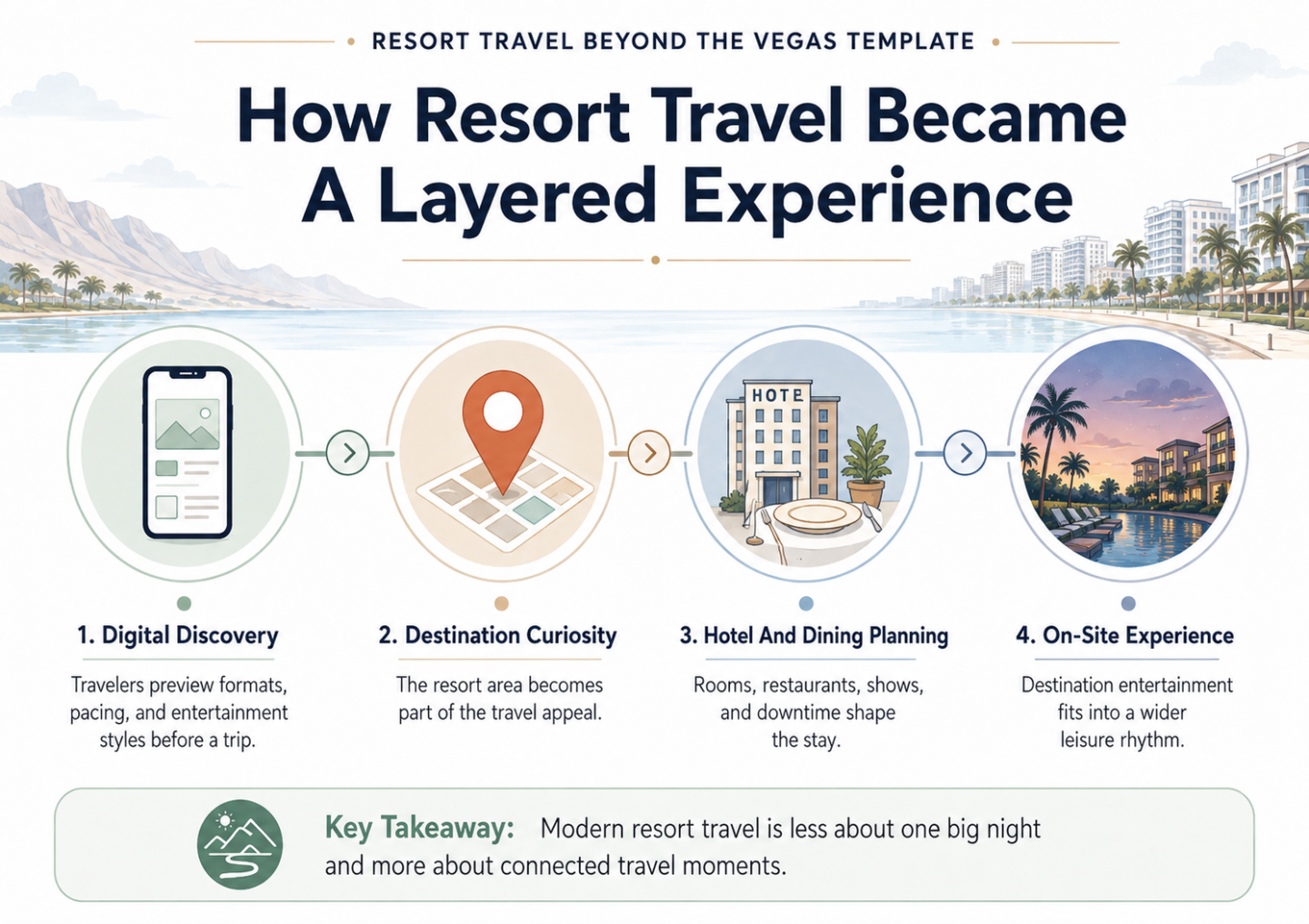
A way to read the shift is this:
From One Venue to a Whole Travel District
The old casino trip was often imagined as a direct line from hotel room to gaming floor. The modern version is closer to a neighborhood experience. A visitor might book a property because it has good restaurants, an easy airport transfer, a well-known show, a spa, or a walkable waterfront nearby. Casino entertainment remains part of the identity, but the destination becomes more flexible because it can support different moods across the same stay.
This is why casino tourism beyond Las Vegas has become a stronger topic. Las Vegas remains a global reference point, but it is no longer the only useful model. Singapore presents the integrated resort as polished city travel. Monaco connects casino heritage with architecture, coastlines, and luxury hotel culture. Macau blends entertainment districts with food, heritage streets, and large-scale hospitality. Australia adds another lens because online discovery and physical nightlife can both shape how people understand entertainment during travel.
The best travel writing on this topic should not treat casino tourism as a separate universe. It belongs inside a broader leisure conversation. Travelers already mix categories when they plan: where to stay, where to eat, what to do at night, how much walking feels realistic, and which experiences make the trip feel complete. That’s why visitor behavior, entertainment programming, and online crossover can shape the wider destination picture.
What The 2026 Traveler Is Choosing
The key question is no longer “Which casino is biggest?” Bigger can be impressive, but bigger is not always more useful to a traveler. The better question is whether the destination gives the visitor enough range. A strong casino tourism destination lets someone build an afternoon, evening, and the next morning without feeling locked into one mood.
That range matters because trips are rarely lived as neat categories. A traveler may want culture in the morning, a quiet room break after lunch, a memorable meal, then a social evening. Another may prefer a slower hotel stay with one standout show and a walkable district nearby. Casino entertainment fits best when it feels like one available layer in that rhythm.
The most interesting 2026 trend is choice density. The destination earns attention because several good options sit close together. The visitor does not need to over-plan every hour, and the trip still feels full. That is why integrated resort travel trends are less about spectacle alone and more about pacing, access, variety, and comfort.
Casino tourism is moving beyond the Vegas template because modern travelers want layered places. They want destinations that can be bright without being one-note, social without being exhausting, and entertaining without requiring every moment to feel large. That makes the next wave of casino-linked travel more mature, more flexible, and more aligned with how people actually move through cities, resorts, and leisure time, a pattern echoed in open-access research on leisure motivation, well-being satisfaction, and quality of life.
