20 Scams in Ho Chi Minh City and How To Avoid Them

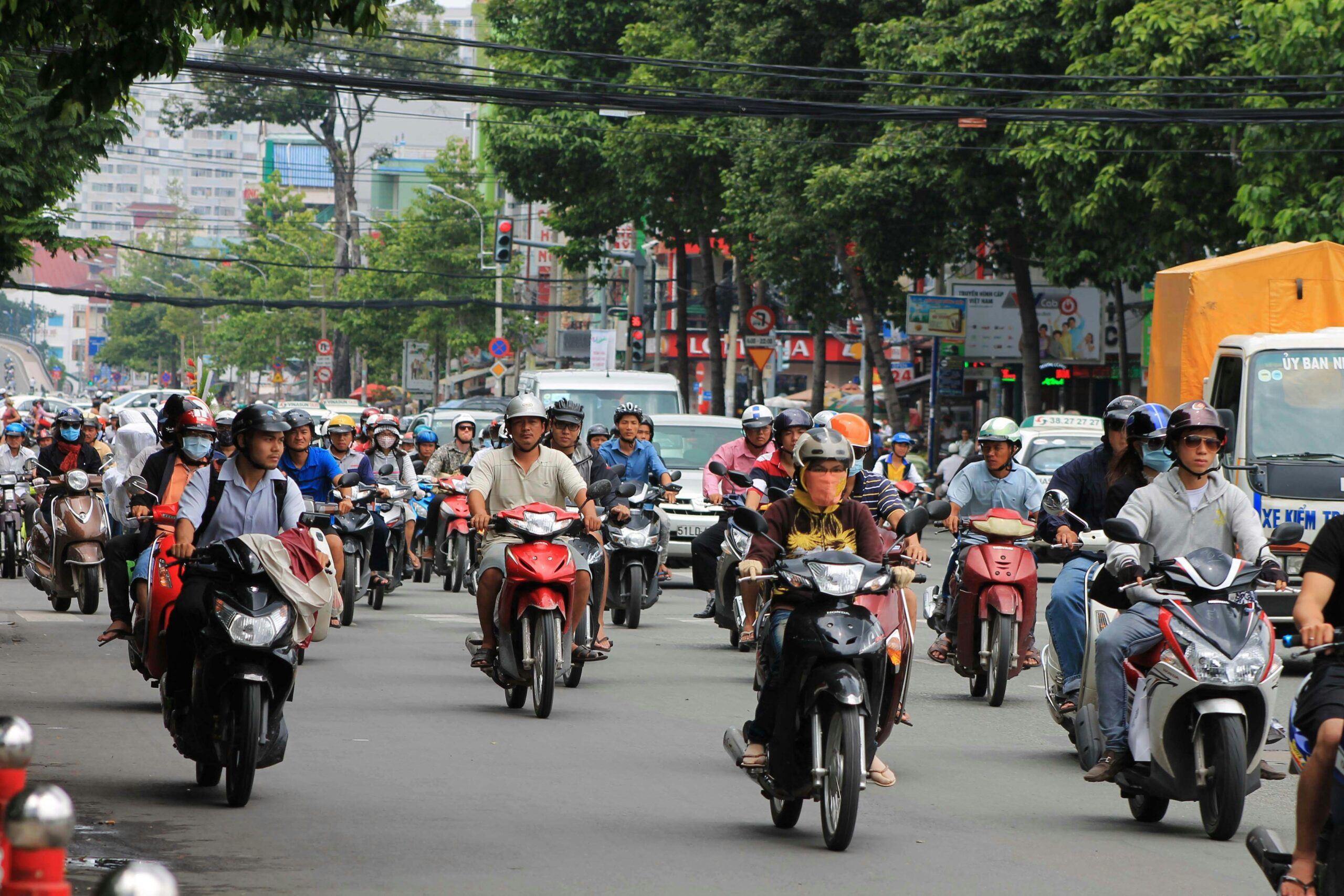
Ho Chi Minh City, formerly known as Saigon, is recognised as Vietnam’s economic and cultural hub. Known for its vibrant nightlife, bustling markets, colonial architecture and historical landmarks.
It is a modern metropolis with a bustling business and entertainment scene in comparison to Hanoi, which offers a historical and slower-paced experience.
I spent 2 and a half days in Ho Chi Minh and I am going to be honest and say that this city was my least favourite part of Vietnam. The people here aren’t as friendly as in the north, the city is fast paced with less authentic culture and it was the only part of Vietnam where I was conscious of people trying to scam us.
Like any major city, especially one that is a magnet for tourists, HCMC has its fair share of scams. Don’t let this post deter you, though – with some street smarts and some insider tips, you can navigate the city safely and confidently.
This post may contain affiliate links which means that I may earn a small commission, at no extra cost to you, for qualifying purchases. For more information, read our disclaimer.
No time to read this guide scams in Ho Chi Minh now? PIN IT for later!

Scams In Vietnam You Should Know About
I believe it is important to be aware of scams in any country before you travel, because ultimately, this makes for an easier and stress-free time when you are there. The same thing goes with scams in Ho Chi Minh.
We had a couple of shady experiences – one was when a man insisted our shoe was broken and had crouched down to ‘fix’ it, conveniently armed with all the tools he would need. We had to be pretty forceful to get him away from us by saying we don’t need the shoe repaired, but it made us wonder what the scam actually was. I later learned this is known as the ‘shoe shine scam’.
1. The shoe shine scam
This one is a classic. A guy (often carrying a small bag or wooden box) points at your shoe, saying it’s either dirty or damaged. Before you have time to react, he has started polishing or ‘repairing’ it — even if you keep saying no. When he is done fixing something that was never broken in the first place, he demands an overpriced fee for the repair or polish.
This experience alone just made us very wary, something that we hadn’t even considered during the rest of our time in Vietnam.

How to avoid it: Don’t stop when someone approaches you. I’m aware this is rude, but if you don’t stop, they can’t grab your shoe. Just keep walking and be firm when saying no if someone approaches you about your shoes.
2. The dodgy taxi
Not all taxis are the same. There are many unlicensed taxis across Ho Chi Minh City that mimic reputable companies’ branding and have rigged meters that jump up in price rapidly. If they don’t have rigged meters, they might take a longer route to inflate the fare.
How to avoid it: Stick to trusted taxi companies like Vinasun or Mai Linh whose drivers wear a uniform and have clear branding on their cars.
Alternatively, use ride-hailing apps like Grab, which provide fare estimates and driver details upfront. The latter is my go-to method for getting a taxi in Southeast Asia.
3. Fruit basket or coconut photo op scam
All over Vietnam, you’ll encounter friendly vendors carrying fruit or coconut baskets with a traditional shoulder pole. They’ll strike up a conversation and offer you the pole and encourage you to take a photo before insisting you buy a coconut – for a price that’s ten times the going rate.
This is one of the most popular scams in Vietnam and one I fell for in Hanoi. Not realising I was being scammed at the time, the lady was insistent on selling me a bag of questionable looking bananas after she encouraged me to post with her fruit baskets. I refused to buy them and instead gave her a tip of around £1 for the photo. She was satisfied with that and it didn’t exactly break the bank for me.

How to avoid it: Politely decline unsolicited offers for any photo opportunities. If you do want a photo or a coconut, negotiate the price beforehand. A fair price for a coconut on the street is around 10,000-30,000 VND.
4. ATM skimming
Cash is king in Vietnam and this scam is very common around the world. Some ATMs, especially those in isolated areas, might have skimming devices that capture your card details when you use it.
How to avoid it: There are a few ways to avoid this Vietnam scam. Use ATMs located inside banks or well-monitored areas. Try to withdraw the majority of your cash at once, either converted into local currency before you travel or from inside a bank. You can inspect the machine for any suspicious attachments before inserting your card, but the chances of spotting something unusual may be unlikely as criminals know what they are doing.
If you have a fee-free card to use abroad such as Revolut to Monzo, ensure you don’t have large sums of money in that account – just transfer money as and when you are about to use it. This way, there is no money to steal from your account should your card details have been cloned.
Together with this, turn notifications on you banking app. Assuming you have a SIM card with data roaming, you will be instantly notified for any money you did or didn’t spend.
5. Currency confusion scam
This scam in Vietnam is pretty self explanatory, but Vietnamese currency can be confusing. The 20,000 VND and 500,000 VND notes are both blue and look very similar, so some unscrupulous vendors might exploit this by claiming you gave them a smaller note than you did.

How to avoid it: It’s always best to familiarise yourself with the currency denominations, I appreciate this can take a day or so after arriving in a new country. When paying, state the amount as you hand over the money and always count your change carefully.
6. Motorbike rental damage scam
As far as scams in Ho Chi Minh go, this one is very popular here. HCMC has more motorbikes than anywhere else I have ever encountered, and hiring one is a popular thing to do to get around. You might rent a motorbike for a day or two, but when you return it, the owner might point out a scratch or dent that wasn’t there before. They will demand a ridiculous repair fee, which is most often for damage you didn’t cause.
You may even find that your passport is being held hostage while the owners demand money from you.
How to avoid it: Always inspect and photograph the bike before you ride, we do this with rental cars in every country around the world. We film a video so that it has the date and time stamp on there, together with photographing any existing scratches or dents, regardless of how minor. Make a note every little scratch and show it to the rental company, ensuring they have this in writing too from the beginning.
It is easy to tell you to only rent a motorbike with a reputable company, but we know that so many reviews we see online are fake. The best option is to go with a recommendation through your hotel, even if it means paying a little bit more.
We did just that when hiring a car in Langkawi for a day. The company said we’d scratched the car and tried to ask us for money to fix the ‘damage’. When we showed them the video we had filmed outside their business earlier in the day with the same scratches, they soon backed off.

7. Motorbike rental theft
Another motorbike scam is where the the staff might come and ‘steal’ their own motorbikes from you after you have rented it, without you knowing. When you turn up at the rental store without the bike, they will forced you to pay outrageous amounts for ‘losing’ one of their bikes.
How to avoid it: Aside from the obvious suggestion of simply not hiring a motorbike, this post is designed to inform you of any potential scams you may experience – not to put you off. There will always be some risk, but the best thing you can do is to ask your hotel or other travellers for recommendations of where they have hired motorbikes from.
Many backpackers across Southeast Asia rent motorbikes for a long period of time to be able to get off the beaten track and get around easily. So chances are, they will know the best companies to rent from.
8. The cyclo ride scam
The charming three-wheeled cyclos or cycle rickshaws that you will see in Vietnam are a nostalgic nod to their past. Some cyclo drivers in touristy areas might offer you a ride for a seemingly low price, only to demand an excessive fee at the end. They might claim you misunderstood the price or that the quoted fare was per person. This is a popular scam in Ho Chi Minh City.

How to avoid it: If you’re keen on a cycle rickshaw experience, book through a reputable travel agency or your hotel. Always agree on the total fare upfront and clarify that it’s for the entire ride, not per person.
9. Luggage handler scam
At airports or bus and train stations, someone might grab your bags and offer to carry them for you. We have seen this many times and we always say no. While it might seem helpful, it’s usually a ploy to extract money from unsuspecting tourists as they will then demand a hefty tip at the end.
How to avoid it: Politely decline any unsolicited help. If someone does assist you, be prepared to offer a small tip, but don’t feel obligated to overpay.
10. Look out for counterfeit goods
Markets across Vietnam are filled with knock-off products; designer bags and clothing. You will even find plenty of counterfeit electronics in Ben Thanh Market, the largest market in Ho Chi Minh City. The list of counterfeit goods that are available is endless.
Some fakes are very obviously fake, but others look pretty convincing and are sold at prices close to the genuine thing. The brand North Face, for example, is known to be manufactured in Vietnam and so many people believe they are buying genuine products, when they most likely aren’t in a market.
How to avoid it: If a deal seems too good to be true, then it probably is. You should always buy electronics from official stores or authorised dealers for safety reasons. If you are intentionally looking to buy fake bags and clothing, I would suggest you haggle the prices down.
11. Children begging or ‘charity’ donation scams in Ho Chi Minh
You’ll will often see children or women with babies asking for milk instead money. This sounds sweet, and not like a scam, right? If you go to the shop with them and buy it, they’ll return it immediately after you leave and split the refund with the shop owner. We also came across people with laminated ‘charity’ letters asking for donations that are completely fake.
How to avoid it: This one is emotionally tough and it can be heartbreaking to witness, especially where young children and babies are involved. I experienced similar in Hanoi, where a woman asked me to buy some milk for her baby. I did give her some money for milk in the hope that she had good intentions. Whether or not it was a scam, I don’t feel as though I lost out. It only equated to around 50p which is an insignificant amount in the UK.
If you give some money to children who are begging, be prepared for lots more that will appear out of nowhere and follow you down the street until you either give in, or they give up on you and find their next target.
Donating to local NGOs or reputable charities is a safer and more impactful way to help.
12. Watch out for pick pocketing
Vietnam is an overload on the senses, so it’s not surprising that many travellers let their guard down as they try to find their bearings. Petty crime is very common in Vietnam, particularly in large cities like Ho Chi Minh City.

How to avoid it: Be aware of your surroundings at all times, particularly when you open up your wallet to pay for something or pull out your phone to take photos. I always use a cross body bag that sits on my chest, so I have all my valuables secured in front of me in the hope that I will see somebody trying to unzip my bag. It would be a lot easier for them to do so if my bag was hanging off one shoulder or a rucksack on my bag – particularly in crowded markets.
13. Duplicate business scam
One of the most common scams in Ho Chi Minh is the presence of multiple businesses operating under the same name, that have nothing to do with one another. Most commonly, this is with travel businesses that sell tours to tourists.
SponsoredCheap Flights to Europe & USA
Book your tickets now and save up to 40% on top destinations.
They hope that tourists will recognise these popular company names (which they have no affiliation with) and book tours through them because of that. While you may get an identical tour, their service could be very poor in comparison, or worst case scenario – non existent.
How to avoid it: The best way to avoid this type of scam is to book your day tours on Klook (generally a lot more affordable than GetYouGuide in Asia) or even through your hotel. We book all of our tours through Klook and GetYourGuide as hotels charge a lot more for the same thing – particularly when you stay in luxury hotels.
Be vigilant of these scams in Ho Chi Minh as they are very common here. These are the tours I would recommend:
14. Don’t fall for salon upsells
Salons across Vietnam are abundant and getting your nails done or having massages are incredibly popular. They often cost a fraction of the price we would pay in the UK and you might walk into a salon that looks like a nice, affordable place. The price list might be visibly displayed and you think, ‘Perfect!’.
Once your treatment has started, the upselling may start: extra charges for specific oils, more pressure for a massage, nail extensions you didn’t even want or even tips that aren’t actually optional.
I must say I have had salon treatments and massages across Asia and have never experienced this, though I am told this is a common scam in Vietnam.

How to avoid it: Stick to well-reviewed, reputable spas – many of which you can find on Instagram. Look for places that are busy over those who are eager to pull you in off the street and clarify the full price before the treatment starts.
15. Bar tab padding
This scam mostly happens at bars or nightclubs in tourist areas and is designed to take advantage of drunk or tipsy tourists. You order drinks and get a surprise when the bill comes. You may notice a few mystery charges, inflated prices or sometimes they’ll pretend you had more to drink than you did – hoping that you’re too tipsy to argue.
How to avoid it: Ask for the price before ordering, if it’s not on the menu. I always pay for my drinks each time I order as opposed to having a tab – this way you can keep track of how many drinks you are purchasing.
If for some reason you do need a bar tab, try to keep a mental tab of what you’re drinking. I know that’s easier said than done after the second cocktail though!
16. Encountering fake police or officials
I have heard that in very rare cases, someone in a semi-official uniform might stop you, ask for your passport, then fine you for some bogus reason (not carrying ID, jaywalking, etc.). They may even pressure you into handing over cash on the spot and this usually happens at night.
Again, I have never encountered this personally.

Though I am still not convinced the police guarding Train Street in Hanoi are genuine police officers – that whole experience felt a bit shady.
How to avoid it: Always carry a copy of your passport, not the original – I have a photo of my passport on my phone. If you are stopped, don’t hand any money over without an official receipt. Or just ask to be taken to a police station if something feels off.
17. Fake transport tickets
Scammers might sell you counterfeit bus or train tickets – or even tickets for services that don’t exist. Transport scams in Ho Chi Minh are increasingly popular and these people often operate near stations or online through fake websites.
How to avoid it: Always buy tickets from official counters, reputable travel agencies or trusted online platforms like 12go. Be wary of unsolicited offers (always), and especially in public places.
18. SIM card scams
Most tourists will buy a local SIM card as they are invaluable for navigation and communication. Vendors are abundant in Vietnam, you can buy a SIM card from almost anywhere; small shops and the airport. However, the reason why they are so affordable is because the plan is activated once these sellers buy SIM cards in bulk, meaning you get less data than promised or likely ones that stop working after a day.
How to avoid it: Personally, I only use airalo now, which is an e-sim. I purchase it online through their app and activate it once I land in a new country. There’s no switching of SIM cards needed (and potentially losing my original one), there is no scope to be scammed as they are a very reputable country and crucially, I am connected as soon as I disembark the plane. I cannot recommend them enough.
If you do need a physical SIM card, I suggest purchasing them directly from official stores of major providers like Viettel, Mobifone or Vinaphone.
19. Restaurant scams
You might come across restaurants that don’t have prices on their menu, or they have been abbreviated, converted to USD instead of Vietnamese dong or even simply, written in Vietnamese.
While you may be accustomed to freebies such as peanuts in a pub or complimentary prawn crackers in a Thai restaurant in the UK – there really is no such thing as a free lunch. No prices on a menu indicates that you will be charged inflated prices at the end of your meal.

How to avoid it: Quite simply, don’t sit down and eat at a restaurant unless there are prices on the menu. I found some really great restaurants in Ho Chi Minh City in case you are interested.
20. The street donut scam
Yes, you read that correctly. It sounds funny, I know. How can you possibly be scammed with donuts?
Street food is absolutely everywhere in Vietnam, but be wary of those selling donuts. They will stop and ask if you want to try one for free (a universal red flag, so don’t do it!).
If you do say yes and try one, the vendor will pressure you into buying a bag.
While I appreciate this still doesn’t sound like a scam at this point, the oil that they use to fry these donuts in is unregulated. Not only will you not be aware of what the oil is made of, it often isn’t changed for weeks or months and the donuts are cooked in unsanitary conditions. It is commonly reported that travellers have been sick after eating donuts from street vendors.
How to avoid it: Again, there’s no such thing as a free lunch. Say no to the free donut and stick with other street foods that you can see them making in front of you. My top pick would be a banh mi or Vietnamese pancakes!
Ho Chi Minh City is an intoxicating city and while scams do exist, being informed and vigilant can help you avoid them.
Unfortunately, many of these scams are not uncommon in other parts of Asia and even around the world. Personally, I was glad to have only spent 2 full days in HCMC, but quite honestly, if you skip this destination and choose to travel elsewhere in the country, I am sure you’d have a much more enjoyable experience.
Don’t let the fear of scams overshadow the incredible adventures awaiting you in this dynamic city – just trust your instincts now that you are informed.

FAQs on scams in Vietnam
Is Vietnam safe for tourists?
Yes, Vietnam is absolutely safe to visit.
Sadly, it is also definitely one of those countries where you need to second-guess any interactions you may have with people on the street – particularly in the larger cities.
Vietnam is certainly not a dangerous country. However, scams appear to be lurking around every corner, well, at least in the touristy areas anyway.

Is Ho Chi Minh City safe?
Ho Chi Minh City is generally a safe city to visit, although it’s recommended to be aware of petty crimes like pickpocketing and bag snatching, especially in crowded areas.
Violent crime against foreigners is extremely rare, but staying vigilant as you would anywhere in the world and taking relevant precautions is advisable. This is something I have always done before venturing somewhere new, and luckily I have avoided getting taken advantage of the majority of the time.
Need help planning your trip from start to finish?
Check out these helpful links:
- 👉🏼 Find cheap flights
- 👉🏼 Savings on accommodation from boutique hotels to affordable resorts
- 👉🏼 The most comprehensive resource to help plan excursions on your next trip
- 👉🏼 This pass gives you free lounge access to over 1500 airport lounges
- 👉🏼 Affordable car rental options
- 👉🏼 Book land and water transport for travelling around South East Asia
- 👉🏼 Use an eSIM to prepare your phone for international travel before leaving
- 👉🏼 Pay anywhere in the world, in any currency, using your debit card without fees
- 👉🏼 Travel insurance with essential medical & travel coverage at low premiums
PIN THIS POST ON SCAMS IN HO CHI MINH FOR LATER!


Watch my Ho Chi Minh City vlog below for a closer look at our experience
If you’re planning to travel throughout Vietnam, don’t miss these posts:
- Ultimate 2 Week Vietnam And Cambodia Itinerary
- How To Spend 2 Days in Ho Chi Minh City, Vietnam
- Ultimate Vietnam Bucket List: 40 Amazing Things You Must Do
- Full Day Trip to Mekong Delta: Is This a Tourist Trap?
- 25+ Authentic Things to Do in Hoi An, Vietnam (That You’ll Absolutely Love)
- How To Spend 2 Days in Hanoi, Vietnam
- The Best Vegan Restaurants in Hanoi, Vietnam
- Paradise Elegance: The Best Halong Bay Luxury Cruise
- The Best Restaurants In Hoi An For Vegans & Vegetarians
- The Best Vegetarian Restaurants In Ho Chi Minh City
Book Your Dream Vacation
Customize your itinerary for the ultimate Euro-trip or US adventure.
