
The Ultimate 2 Weeks in Taiwan Itinerary for First Time Visitors

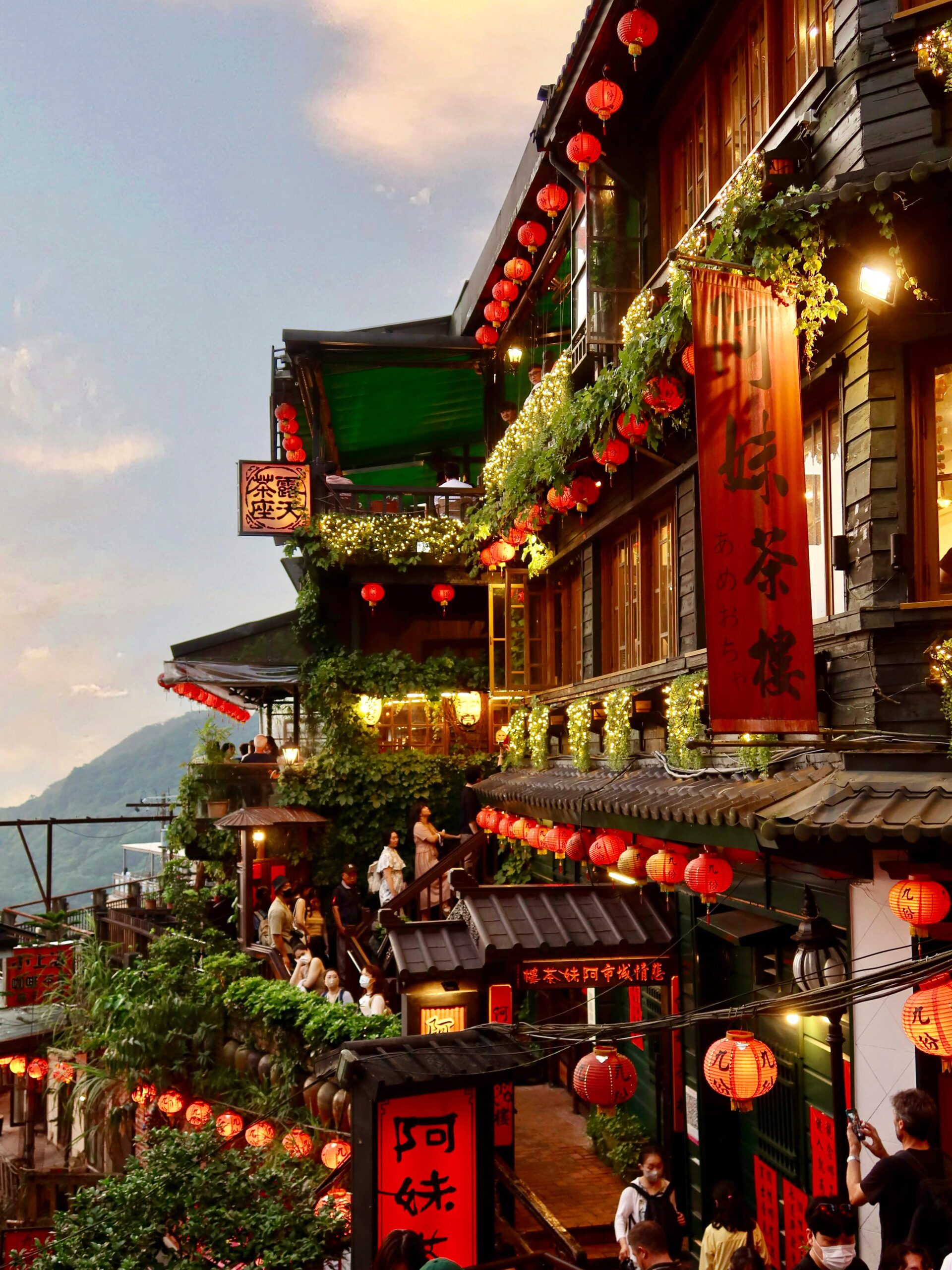
Planning your itinerary for Taiwan can feel overwhelming, especially for a first-time visit, but this trip completely lived up to everything I had imagined.
Just 2 weeks in Taiwan made me fall head over heels in love with the country. There is so much to see, from cities and temples to hot springs and nature, and it is not always obvious how to structure your route without wasting time.
We had a mix of culture, luxury, friendly locals, incredible food and some of the most varied scenery I have experienced in Asia. What surprised me most was how easy it was to travel between cities and how different each stop felt.
If you are planning your first trip, this is the exact 2 week Taiwan itinerary we followed, including what I would change if I did it again.
It’s fast-paced in places, slower where it matters and gives you a proper mix of cities, nature and culture without feeling rushed.
If you’re anything like me, you’ll leave already planning your next trip back.
This post may contain affiliate links which means that I may earn a small commission, at no extra cost to you, for qualifying purchases. For more information, read our disclaimer.
No time to read this 2 week Taiwan itinerary now? PIN IT for later!

2 week Taiwan itinerary at a glance
If you are planning how to spend 2 weeks in Taiwan, this route follows a simple north to south itinerary that avoids backtracking and keeps travel days manageable.
- Days 1 to 3: Taipei
- Day 4: Jiufen, Shifen and transfer to Jiaoxi
- Day 5: Jiaoxi
- Days 6 to 7: Taichung
- Days 8 to 9: Sun Moon Lake
- Days 10 to 11: Tainan
- Days 12 to 14: Kaohsiung
This is a really efficient route for first-time visitors. It gives you a great first impression of Taiwan, packing in as much as possible without trying to do too much.
Taipei vs Kaohsiung: which city should you prioritise?
If you’re planning your first trip to Taiwan, deciding how to split your time between Taipei and Kaohsiung can make a big difference to your overall experience.
Taipei is the best place to start. It’s fast-paced, modern and incredibly easy to navigate, which makes it ideal for first-time visitors.
You’ll find a mix of temples, night markets, viewpoints and unique experiences all in one place. It’s also where I felt the most immediate connection to Taiwan – everything just felt effortless from the moment we arrived.
Kaohsiung, on the other hand, has a completely different feel. It’s slower, more spread out and much more relaxed. By the time we arrived here, it felt like the perfect place to wind down after a busy start to the trip.
We spent our time exploring art districts, walking along the river and taking a day trip to Cijin Island, which ended up being one of the most chilled parts of the itinerary.

If you’re short on time: prioritise Taipei.
If you want a slower, more relaxed end to your trip: include Kaohsiung.
If you have the full two weeks, Kaohsiung is absolutely worth including – it balances out the itinerary and gives you a completely different perspective of Taiwan.
Why this 2 week Taiwan itinerary works
One of the hardest parts of planning a Taiwan itinerary is deciding how much to fit in without making the trip feel rushed.
This route works well because it follows a clear north to south path, keeps travel days short and balances busy cities with slower, more relaxing stops.
It also gives you a mix of experiences, from night markets and temples to hot springs and scenic areas like Sun Moon Lake.
If I planned this trip again, I would make a few small changes, like spending less time at Sun Moon Lake and more time in Tainan. This is what I recommend here, but overall this is a really solid itinerary for a first visit.
If you’re short on time, I would prioritise Taipei, Jiufen and Kaohsiung, and shorten Sun Moon Lake or skip Jiaoxi.
Day 1 to 3: Taipei
Taipei is easily the best place to start your Taiwan itinerary, not just because of the international airport but because it is one of the easiest cities in Asia to adjust to as a first-time visitor.
If you are worried about language barriers or transport, this is where Taiwan feels almost effortless.
It is busy but not overwhelming, modern but still traditional and packed with things to do. I spent three days here and could have easily stayed longer.
If you want a full breakdown, I have already mapped it out in my 3 day Taipei itinerary.

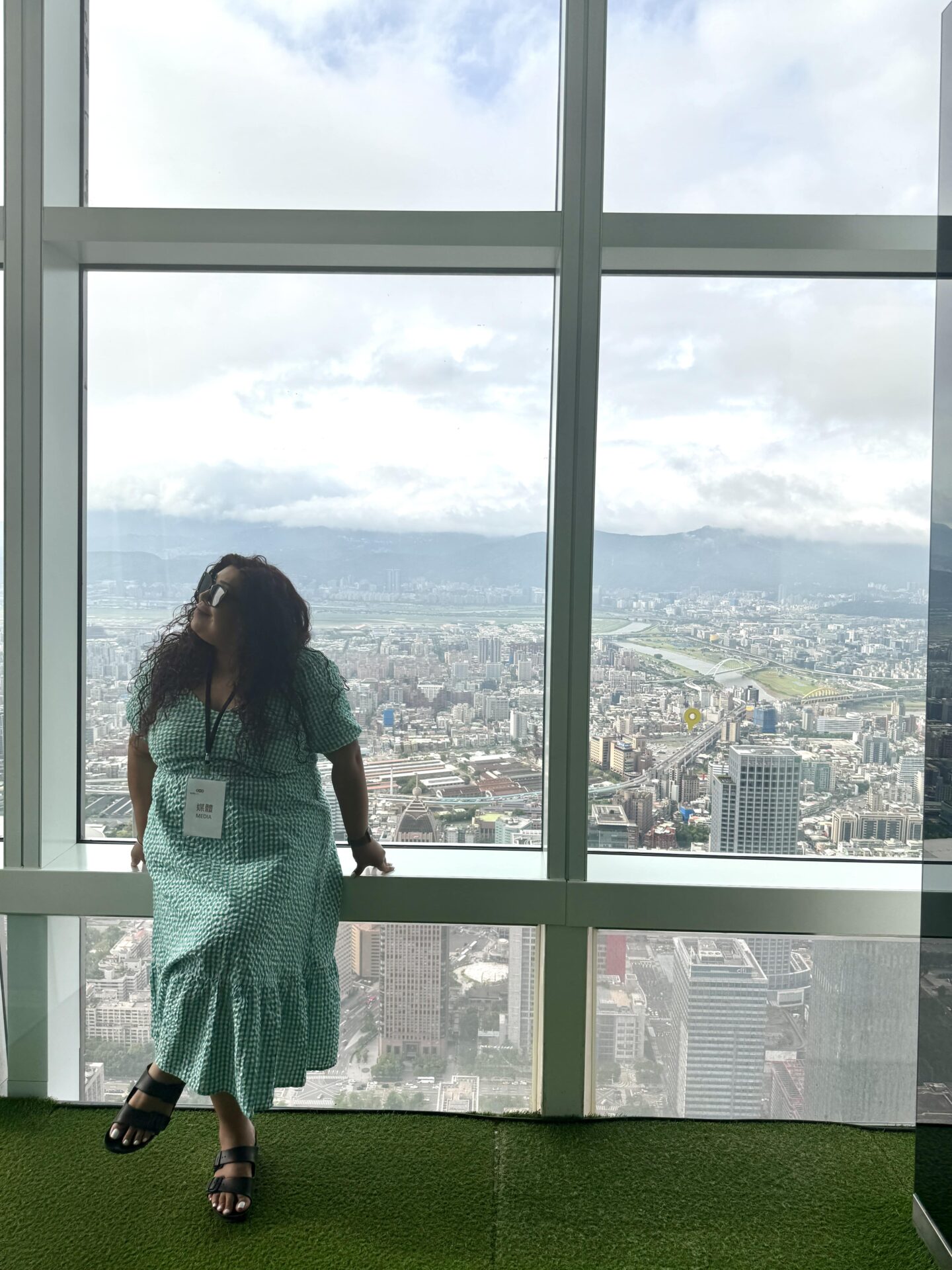
Start your first day at Longshan Temple and Chiang Kai-shek Memorial Hall, hike up Elephant Mountain and head to Taipei 101 at sunset.
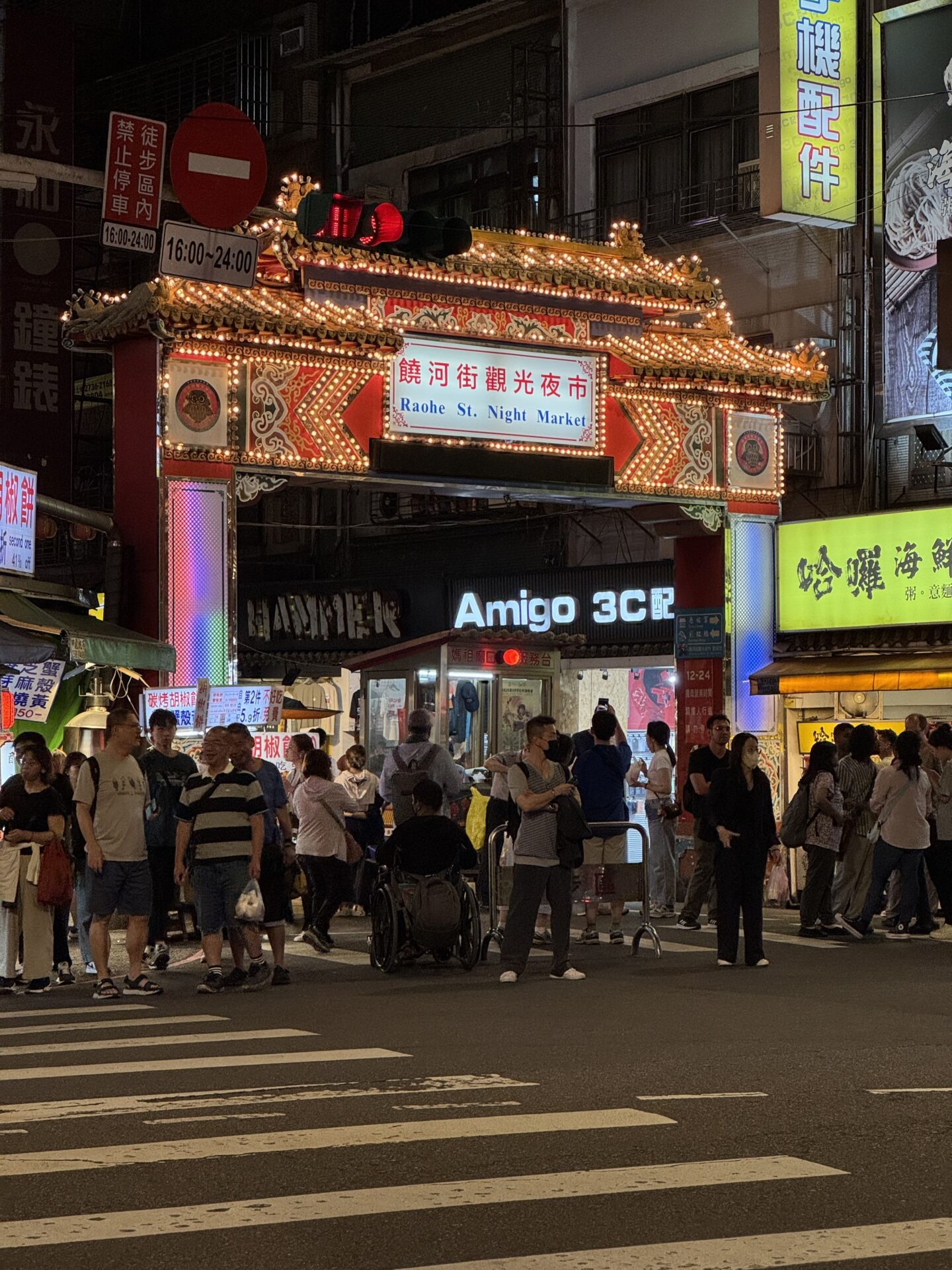
There are so many unique things to do in Taipei. Raohe Night Market is the best place to end your day, even if you are a vegetarian.
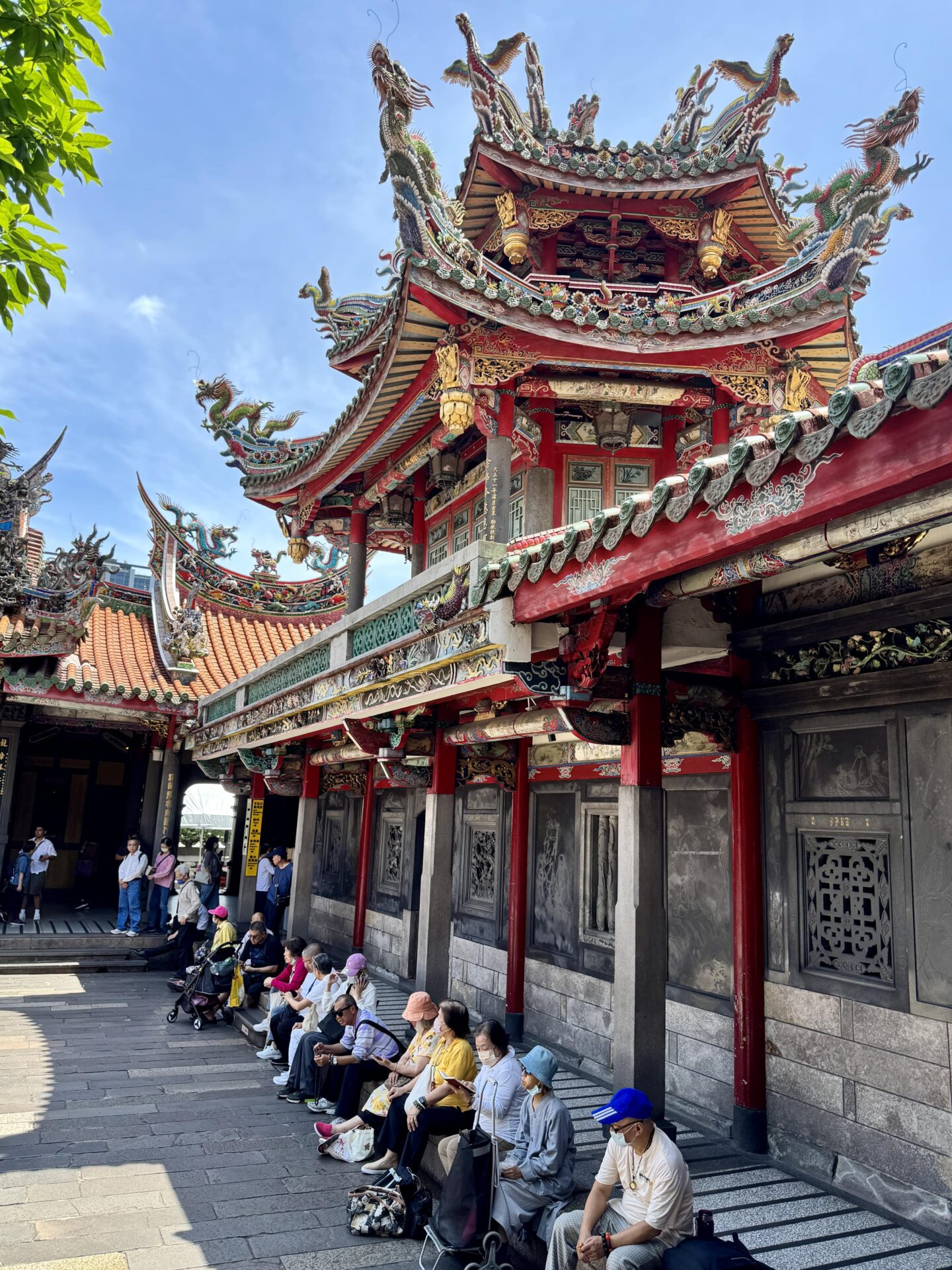
One of the most memorable things for me was visiting Longshan Temple. It was not just seeing the temple, but actually taking part in the fortune telling ritual with the help of a local. It felt far more intense than I expected and made the whole experience more meaningful.
I also booked a scalp spa appointment and had one of the best head treatments of my life, which was not something I had planned at all but ended up being a highlight.
Taipei works especially well for couples because it gives you a bit of everything without feeling overwhelming. You can spend the day exploring temples and viewpoints, then slow things down in the evening with night markets or a more relaxed dinner.
If you want to ease into your trip without stress, this is where Taiwan feels the most comfortable and accessible.
Where to stay in Taipei
I adored our stay at Solaria Nishitetsu Hotel Taipei Ximen, and I wouldn’t hesitate to stay there again. Ximending is such a vibrant area, and staying in the heart of it meant we could step straight into the energy of the neighbourhood, while still returning to a calm, quiet room at night.

The rooms are modern, clean and comfortable without being over the top – exactly what you want after humid days exploring.
What stood out the most to me was the staff. They were consistently warm and helpful, even assisting me with booking my scalp spa appointment when the website wouldn’t translate properly.


Day 4: Jiufen, Shifen and Yehliu + Travel to Jiaoxi
This is one of the busiest but most rewarding days in this Taiwan 2 week itinerary.
My advice would be to hire a driver for this day, that’s exactly what we did. You’ll check out of your hotel and leave Taipei early, visiting three very different places before heading to Jiaoxi.
Here’s how you can plan the perfect day trip to Jiufen, Shifen and Yehliu GeoPark.
Jiufen
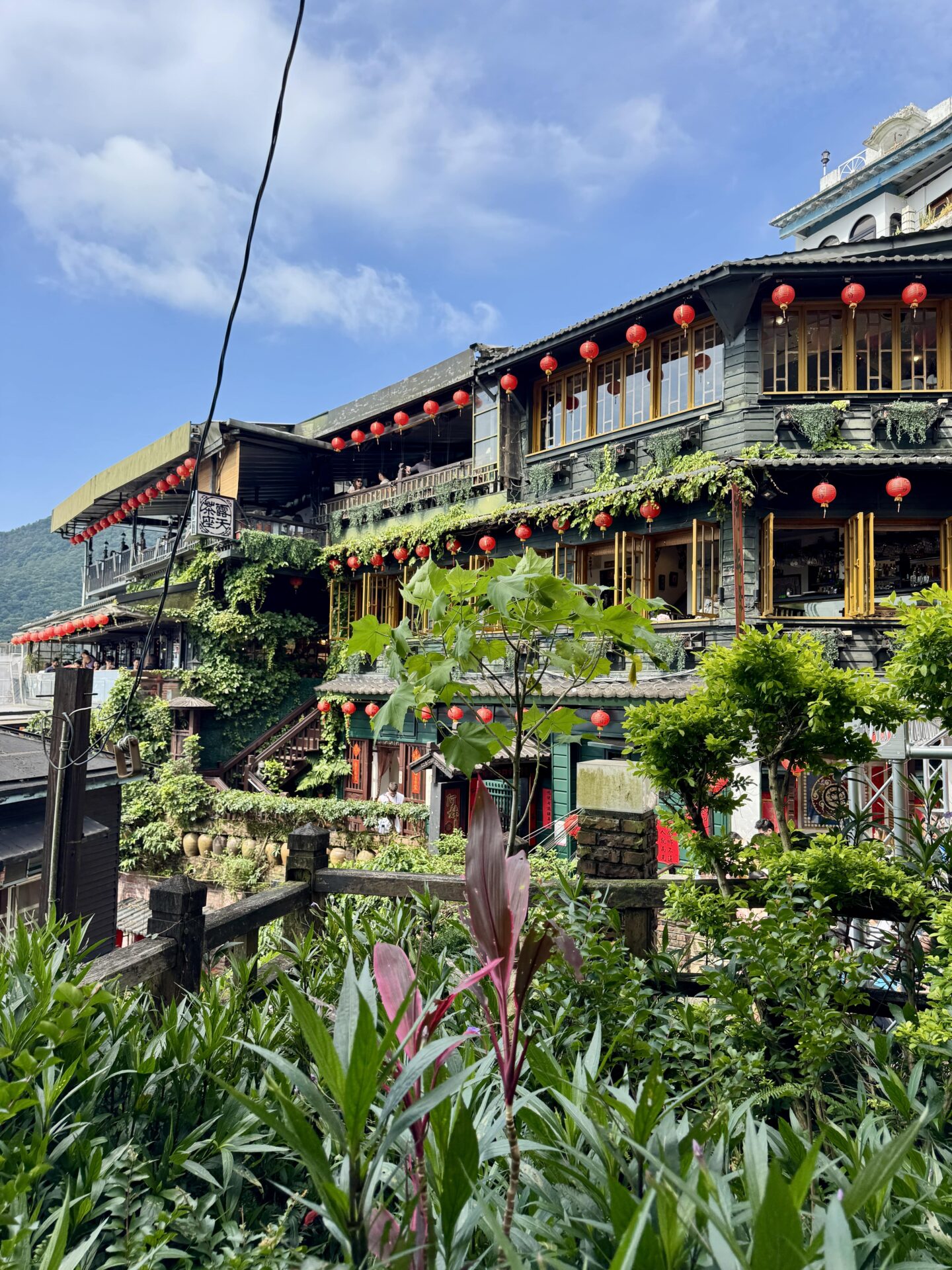
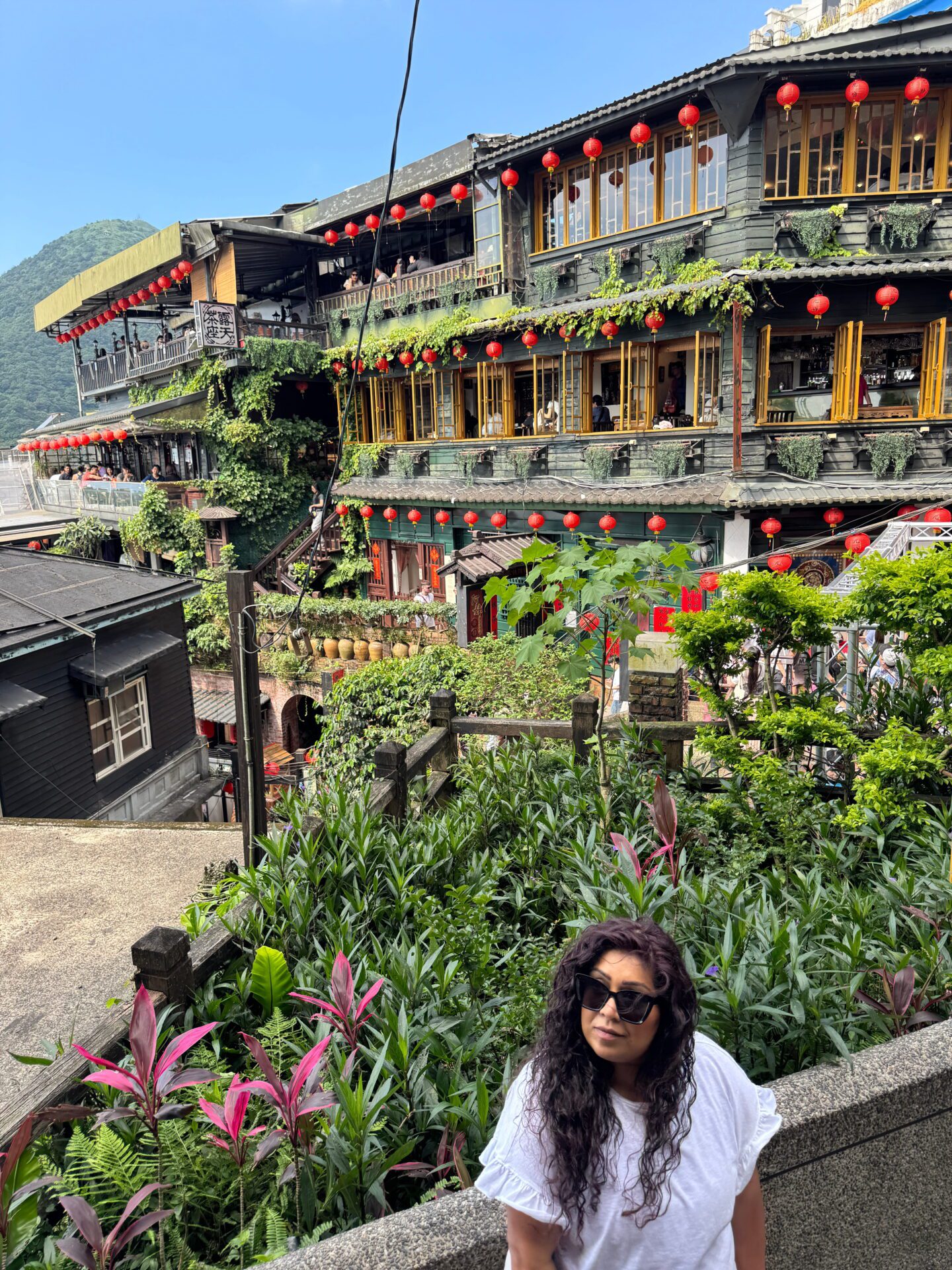
Jiufen is the famous lantern-covered mountain town you’ve definitely seen online.
Yes it’s touristy, but I think it’s so worth visiting, if you plan it properly.
Shifen
Shifen is where you release sky lanterns along the train tracks. It sounds chaotic and it kind of is, but it’s also fun and surprisingly memorable.
You won’t stop for long here, and in all honesty I could have very easily skipped this.
Releasing sky lanterns feels more like something you do for the ‘gram instead of a true cultural activity. So if you want to shorten your day trip I would skip this stop.
That’s the beauty of creating your own day trip – you can simply ask your driver to take you only to the places you want to visit.

Yehliu Geopark
Yehliu is completely different again, with unusual rock formations along the coast. I honestly didn’t expect to enjoy this as much as I did, but the views are genuinely impressive and a great place to wander around.
At the end of the day, head to Jiaoxi for a much slower pace.
We hired a driver for ease, even though it cost more than using public transport. However, as we were moving from one city to the next and taking our luggage with us I felt this was just the easiest option.

Hiring a driver
You can hire a driver on Klook, and you will have options for an English-speaking driver if you want one.
We chose a Mandarin-speaking driver, and he did an excellent job of explaining everything to us along the way with the help of Google Translate. He also pointed out things we wouldn’t have otherwise seen.
This was 100% worth the cost, especially as a couple. It took away all the stress of navigating between multiple stops with luggage and meant we could actually enjoy the day instead of worrying about logistics.
If you’re deciding where to spend a little more on this itinerary, this is one place I wouldn’t cut corners.
Where to stay in Jiaoxi
We booked Hotel PIN Jiaoxi specifically for the privacy of their in-room hot spring tubs. I loved the idea of retreating to our own hot springs tub in the evening, and that was a lovely experience.
Our room was modern, large, comfortable and within walking distance of the main attractions.


They have a small outdoor pool, large games room for kids and a mini library.
The on-site restaurant serves breakfast, and there is also a daily two-hour happy hour at around 7pm.
Alongside soft drinks and hot drinks, they serve a small buffet of food. This made a big difference in the evenings when we didn’t feel like heading out again.
It was the most affordable hotel in Jiaoxi when we booked, without compromising too much on how luxe it would be. However it does feel like a pretty basic resort for families with young kids, particularly if you are visiting during a public holiday in Taiwan.
Day 5: Explore Jiaoxi
After the chaos of Taipei and a jam packed day trip, Jiaoxi feels like a reset.
Jiaoxi is a small hot spring town in north eastern Taiwan. It is one of the best places in this Taiwan itinerary to slow down and enjoy some quiet time as a couple.


One of the highlights of staying here is that your room will most likely come with a private hot spring bath. This instantly feels like a luxury, but in Taiwan it’s actually very affordable.
Jiaoxi is the quintessential place to slow travel and see a different side to Taiwan entirely. We spent two nights here, which could have easily felt like too long if we’d expected city vibes and rushing around to see everything in a short space of time.
You can read all about what Jiaoxi Hot Springs are really like and if it’s worth visiting here.
It was particularly fun to be in a town that’s super touristy, yet devoid of any international tourists.
We loved experiencing the public foot baths at Jiaoxi Hot Spring Park, chatting to all the Taiwanese locals and walking along the black sands of Waiao Beach.

Day 6: Back to Taipei + HSR to Taichung
Today is mostly a travel day. You can have a relaxing morning in Jiaoxi before heading back to Taipei to take the high speed rail down to Taichung.

You can either hire a driver again to take you back to Taipei, the drive takes approximately one hour, or you can get the bus to Taipei.
If you haven’t already, this is where having an EasyCard makes public transport much easier to navigate Taiwan.
The trains in Taiwan are fast, clean and very easy to use, so logistics are much simpler than they might seem at first.
If you’re travelling at peak times, or want seats together, I’d recommend booking your HSR tickets in advance. We booked some on the day and it worked, but we didn’t always get seats together. The prices are sometimes higher on the day too.

Depending on the time you arrive in Taichung, you may just want to check in to your hotel, grab dinner and relax. If you stay at the same hotel as us in Taichung – you may just not want to leave your room at all!
Where to stay in Taichung
As a first-time visitor to Taichung, I would not overthink this. If you want somewhere central and slightly more elevated than your usual stay, Le Méridien Taichung is an easy choice.


A more comfortable hotel really improves the experience, especially after a travel day. I spent one night here, waking up in the plushest bed of our entire trip on my birthday – and it felt like the perfect treat.

Le Méridien Taichung ticks every box for those who want to stay in luxury without breaking the bank.
Day 7: Explore Taichung
Taichung is often overlooked as many people see it as a stepping stone for Sun Moon Lake, but the city ended up being far more interesting than I expected.
What surprised me most about Taichung was how different it felt from Taipei. I hadn’t planned much time here, but I actually wish I had stayed longer.


Taichung is quieter, more creative, and much less structured. We spent far more time just wandering than following a plan, which was a nice change after the busy start to the trip.
From the colourful Rainbow Village to huge night markets, Gaomei Wetlands at sunset and some of the best vegetarian food I had at Pure Gourmet 蔬食本色素食坊 during my 2 weeks in Taiwan, there is more to do here than you might expect.
If you are deciding how long to stay, I would recommend at least one full day, but two would be ideal if you want a more relaxed pace.
Day 8: Sun Moon Lake
Sun Moon Lake is one of the most scenic parts of this 2 weeks in Taiwan itinerary.
We spent two nights here as I don’t like spending one night in a place and then rushing around not seeing anything properly, so I’m suggesting you do the same.
We hired a driver again from Taichung to Sun Moon Lake purely for the convenience, but you could take a bus if you are on more of a budget.
It’s calm, peaceful and a complete contrast to the cities.

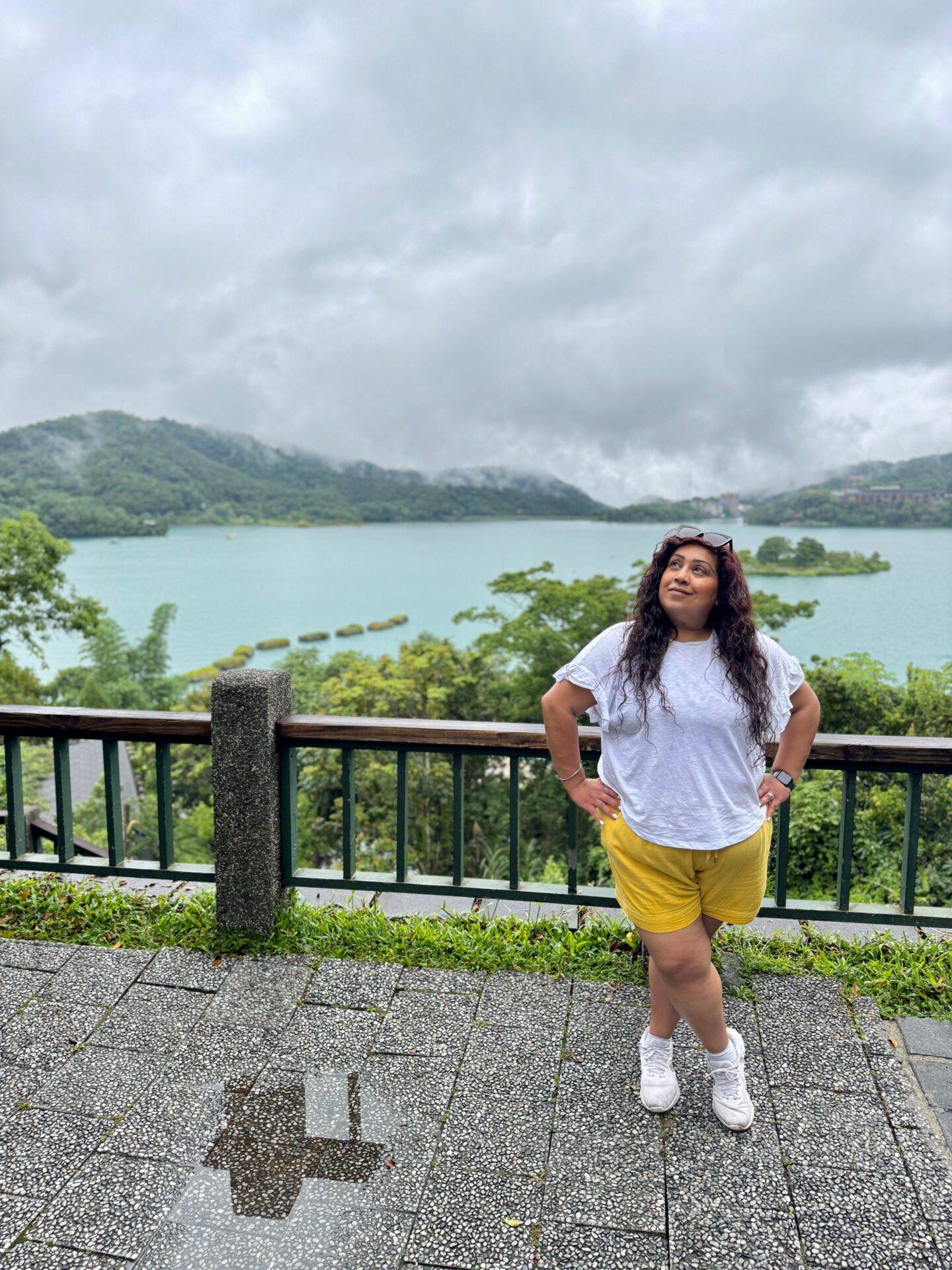
While there is a lot to do in Sun Moon Lake, I must admit that I wasn’t wowed by it – possibly due to the fact that we went off season so many places closed early.
The boat trip around the lake from Shuishe Pier to Ita Thao was easily my favourite experience from this part of the trip. I have a full guide on Sun Moon Lake and what you can expect from it.
If you’re deciding whether to include it, I would say this is still one of the most worthwhile stops in Taiwan, even if you only stay briefly. You can easily do it as a day trip from Taichung, or just spend one night.


If I did this entire trip again, I would do a day trip from Taichung. It’s still worth visiting, but this is one of the easier places to shorten if you want to save time elsewhere.
If you don’t want to organise transport yourself, this full-day Sun Moon Lake tour is the easiest option.
Where to stay in Sun Moon Lake
If you want the most luxurious stay on the lake, The Lalu Sun Moon Lake is widely considered the best hotel in the area. With infinity pools overlooking the water and stunning minimalist design, it’s the perfect choice for couples visiting Sun Moon Lake.
We stayed at Fuli Hot Spring Resort which was within walking distance of Shuishe Pier, but unfortunately I wouldn’t recommend it.

On the other side of the lake in Ita Thao, the Wyndham Sun Moon Lake is a very popular, mid-range choice – and the one I regret not booking.
Day 9: Back to Taichung + HSR to Tainan
Head back to Taichung early and take the regular train (cheaper, but slower) or the High Speed Rail down to Tainan.
This is another travel day, but the distances are pretty short and the trains are efficient.


I really didn’t like our hotel at Sun Moon Lake, so I was more than delighted to check out early, skip breakfast and leave for Taichung.
Unfortunately, we had the most miserable weather of our entire trip when we arrived in Tainan. The rain didn’t let up all night, so we spent our first night just relaxing in the hotel – only braving the downpour to step out for dinner.
Where to stay in Tainan
We stayed at the Shangri-La Far Eastern, which was incredible value for such a prestigious brand.
I particularly enjoy experiencing a mix of affordable and luxury hotels when travelling around a country, and this one hit the spot.


Tainan is the kind of city that rewards slow travel, so I would absolutely spend more time here and stay at this hotel again.
It felt well worth the splurge, especially considering how affordable it was for a Shangri-La. If you want to mix in one more luxurious stay on this itinerary, this is a great place to do it.

You can read my review of the Shangri-La Far Eastern Tainan here. This is one of those stops where upgrading your hotel really improves the experience, especially after a travel day.
Day 10: Explore Tainan
Tainan feels completely different from Taipei.
It’s older, more traditional and known for having some of the best food in Taiwan.
Even the little time we spent here, I realised that walking around feels so different, with temples, street food and small alleyways tucked away everywhere.


I realised that I’d messed up our itinerary because there are so many things to do in Tainan that you could easily spend a couple of days here.
We simply did not have the time to explore like we would have wanted, so I had to sacrifice this in order to head to Kaohsiung early.
We ended up spending more time in Kaohsiung so we were not rushing through both cities, but it meant we barely scratched the surface in Tainan.
If you’re deciding between spending more time in Tainan or Kaohsiung, I would personally choose Kaohsiung for a first trip. It’s easier to navigate, slightly less hectic and a nicer place to slow down at the end of your itinerary.
Day 11: Train to Kaohsiung
Kaohsiung is a short train ride from Tainan and is the final stop in this Taiwan itinerary.
I wasn’t sure what to expect from Kaohsiung before visiting, but I really enjoyed it for its more laid back vibe, while still having plenty to explore.
The city feels noticeably different to Taipei, with a mix of culture, art and coastal scenery which makes it the ideal place to slow down.
There is more to do in Kaohsiung than I expected, especially for a first-time visit.
The travel time from Tainan is very short, so you will have plenty of time to start exploring as soon as you arrive.
We headed straight to Pier 2 Art Center to wander around and admire the street art, but you could also spend your first evening walking along the Love River at sunset.


If you are deciding how to structure the end of your trip, I would definitely include Kaohsiung. It ended up being the ideal place to wind down at the end of the trip without feeling like you are missing out.
Where to stay in Kaohsiung
We stayed at Chateau de Chine Hotel Kaohsiung, and it’s one I’d recommend if it’s your first time in the city. The location, in the Yancheng District means you can get around easily using the MRT without needing taxis.


The room was comfortable, the staff were helpful, and overall it felt like very good value for the price. After a long travel day, this was exactly the kind of hotel we wanted to come back to.
Amenities include a business centre that is well equipped with complimentary soft drinks, hot drinks, beer and snacks throughout the day, which is a lovely touch.
Day 12: Explore Kaohsiung
I would highly recommend starting your day at Sanfong Temple, early in the morning. It was truly one of my most memorable peaceful moments in this city.


Kaohsiung is easy to get around and has a mix of culture, art and coastal scenery. Visit the colourful Dragon and Tiger Pagodas, explore the street art and stroll along the Love River.
If you want a structured plan, I have a 1-3 day Kaohsiung Itinerary, where I also tell you what to skip!

Day 13: Kaohsiung + Day trip to Cijin island
If you want a slower, more relaxed day, take a trip to Cijin Island.
It’s a short ferry ride away and easy to explore without a plan. You can rent a bike or explore on foot and the main appeal is just wandering around here.
Alternatively, you can book a tour to Xiaoliuqiu Island if you have a full day, but it takes a couple of hours each way. It’s one of the few places in Taiwan where you can swim with sea turtles and enjoy clear water.
It feels completely different from the mainland and is such a relaxing way to end your trip.
Day 14: Fly home
From Kaohsiung, you can either fly home directly or head back to Taipei on the HSR to fly home.
You will save a lot of time by booking your outbound flights from Kaohsiung, which is exactly what we did.
This 14 day Taiwan itinerary is ideal if you’re visiting for the first time and want a well-balanced route without overcomplicating your trip.
What’s missing from this Taiwan itinerary
You might notice that Hualien and Taroko Gorge on the east coast are not included in my Taiwan two week itinerary.
When I visited in 2025, this region was still being rebuilt after the 2024 earthquake. Many of the hiking trails were closed and infrastructure was still recovering.
Beitou Hot Springs in Taipei were also closed for renovations.
Hualien is definitely an area I’d love to return to in the future. Some of the area has reopened as of 2026, but it could take years for it to be fully rebuilt.
You should check the current conditions before factoring them into your itinerary.
How long should you spend in Taiwan?
In my opinion, you can spend a long time in Taiwan.
You could easily fill weeks just eating your way through night markets, hiking in the mountains, soaking in hot springs and visiting different islands.
If, like most people, you don’t have unlimited time, 2 weeks in Taiwan for first time visitors is the perfect amount.
It gives you:
- A great first impression
- Enough time to see the main highlights
- A balance between exploring and relaxing
If you have 3 weeks, even better. You certainly won’t get bored.

How to get to Taiwan
Most international flights land in Taipei or Kaohsiung, but I would recommend starting in Taipei if it’s your first visit.
It’s the easiest place to get your bearings, and starting here makes this north to south itinerary much more straightforward without needing to double back later in the trip.
Best time to visit Taiwan
Spring and autumn are ideal, but we visited in June and the heat became almost unbearable as we travelled further south.
If you are sensitive to heat, I would avoid peak summer completely.
General Taiwan travel tips
Getting around Taiwan
Taiwan’s transport system is one of the easiest I’ve used, and it’s a big part of what makes this itinerary work so well.
- High Speed Rail for long distances
- Local trains and metros within cities
- Buses for shorter routes

We relied on public transport for most of the trip, and it was consistently clean, efficient and easy to navigate. An EasyCard makes everything much smoother, especially if you’re used to systems like the London Underground.
Booking HSR trains & seat reservations
The High Speed Rail is incredibly easy to use, but if you’re travelling at peak times or want seats together, I would recommend booking in advance.
We booked some tickets last minute and managed fine, but we didn’t always get seats together, which is something to keep in mind if you’re travelling as a couple. Prices can also be slightly higher on the day.
The easiest way to book is through the T Express app, where you can reserve seats and store your tickets digitally.

Earthquakes are part of life here
Taiwan sits in an active seismic zone, so small earthquakes do happen from time to time. Most are mild, but it’s useful to know what to do:
- Stay calm
- Take cover indoors
- Move to open space if outside
We didn’t experience any earthquakes ourselves, but the aftermath of one the previous year meant we couldn’t visit the east coast. It’s worth checking current conditions before finalising your Taiwan itinerary.
Watch out for typhoon season
Typhoon season runs from June to October.
We visited in June, and while we thankfully didn’t experience a typhoon, the heat and humidity were already intense, especially further south.
If you’re sensitive to heat or want to avoid disruptions, I would aim for spring or autumn instead.
Currency and payments
Taiwan uses New Taiwan Dollars. While it’s not as cheap as some other parts of Asia, it offers really good value overall.
- Street food is very affordable
- Transport is cheap
- Accommodation varies depending on your style
We found cash most useful at night markets and smaller local spots, while cards were widely accepted in hotels and larger restaurants.
I’d recommend taking a small amount of cash with you or a debit card such as Monzo or Revolut that allows you to withdraw cash abroad.
Do people speak English?
English is spoken in most major cities, but less so in smaller towns.
That said, people are incredibly friendly and will almost always try to help. We relied on Google Translate quite a bit, especially when speaking with our driver or in more local areas, and it made everything much easier.

Is Taiwan safe?
Yes, Taiwan is one of the safest countries I’ve travelled to.
I always felt completely comfortable walking around, even at night, and never had any concerns using public transport or exploring quieter areas.
As with anywhere, it’s still worth taking basic precautions, but overall it’s a very easy and stress-free place to travel.
Public holidays
We visited Jiaoxi during a public holiday. It was busy with local tourists and there were very few international visitors.
This didn’t ruin the experience – I think it made it much better. However, it’s worth knowing that popular areas can feel much busier, hotel prices can increase significantly during these periods and you can expect much more traffic on the roads which adds to travel delays.
Night markets are a must-visit
You can’t visit Taiwan without experiencing at least one night market. They ended up being one of my favourite parts of the trip.
They’re busy, loud and full of food, which is exactly what makes them so fun. Even as a vegetarian, I still found plenty to try, and it’s worth going just for the atmosphere alone.
If it’s your first time in Taiwan, I would prioritise visiting one in Taipei, as they tend to be the easiest to navigate.
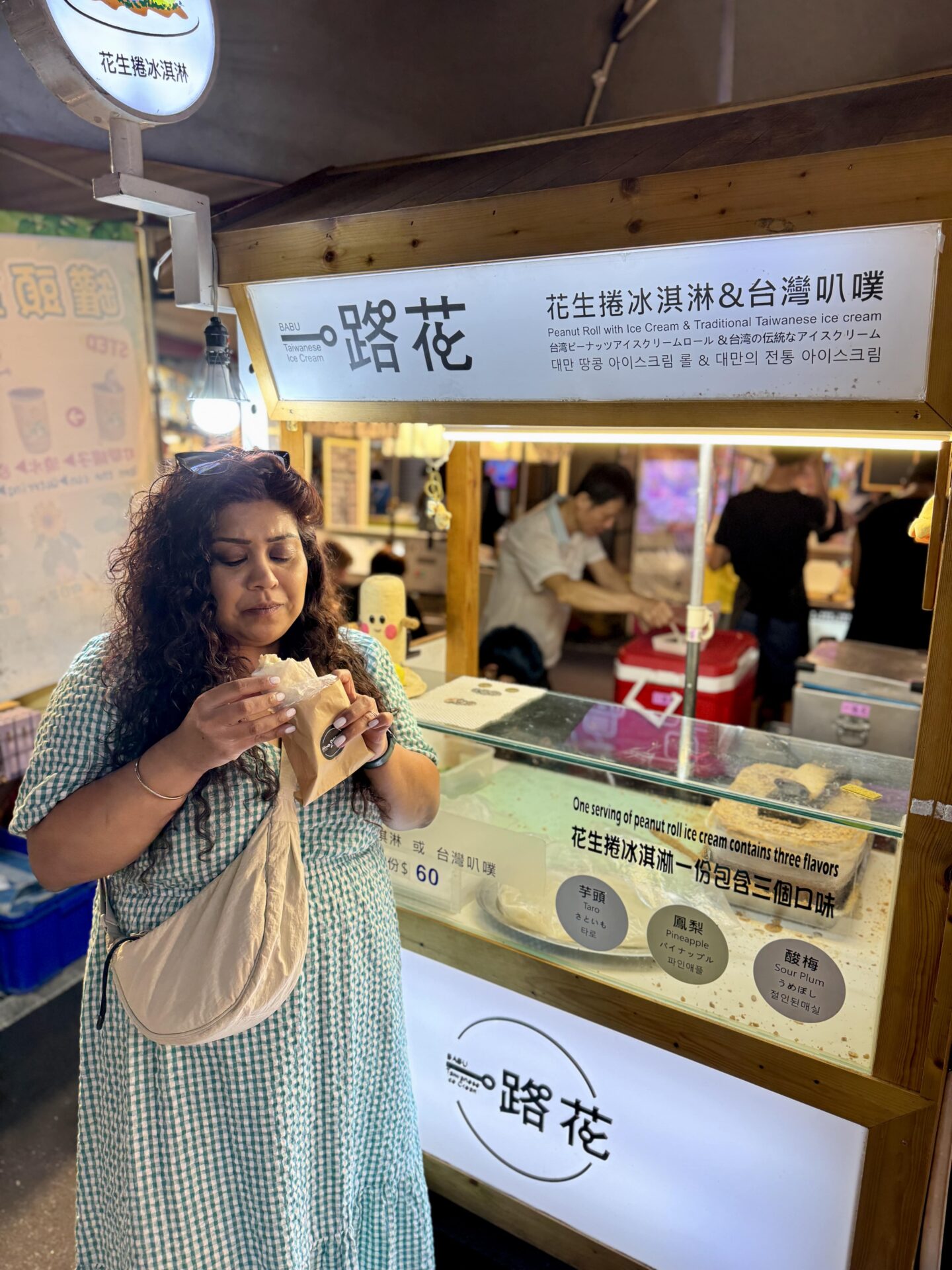
Maybe just steer clear of the stinky tofu. You’ll smell it before you see it, and if that isn’t enough to put you off, don’t say I didn’t warn you!
Food and dietary preferences
Taiwan is known for its food, but night markets and local restaurants can be quite meat-heavy.
As a vegetarian, I still found plenty to eat, but it sometimes took a bit more effort, especially outside of larger cities like Taipei and Taichung.

One place I would absolutely recommend is Din Tai Fung. It’s world-renowned for a reason – particularly for their hand crafted xiaolongbao (soup dumplings) and spicy cucumber salad. Having that meal in Taiwan felt like a proper culinary experience rather than just another stop.
How to prioritise your budget
If you’re deciding where to spend more on this trip, I would prioritise convenience on longer travel days and one or two more comfortable hotel stays.
Everything else in Taiwan is surprisingly affordable, so it balances out easily.

This Taiwan 2 week itinerary works so well because we didn’t try to do everything.
Instead, this itinerary focuses on:
- A logical route
- A mix of experiences
- Enough downtime to actually enjoy it
If I did it again, I would include the east coast and add more time in Tainan, but overall this is a really solid plan for first time visitors.
And if you’re anything like me, you’ll already be thinking about coming back before you’ve even left. I know I am!
If you found this itinerary for Taiwan helpful, PIN IT!


Need help planning your trip from start to finish?
Check out these helpful links:
- 👉🏼 Find cheap flights
- 👉🏼 Savings on accommodation from boutique hotels to affordable resorts
- 👉🏼 The most comprehensive resource to help plan excursions on your next trip
- 👉🏼 This pass gives you free lounge access to over 1500 airport lounges
- 👉🏼 Affordable car rental options
- 👉🏼 Book land and water transport for travelling around South East Asia
- 👉🏼 Use code: NISHI9255 to get £2.50 off your first eSIM before you travel
- 👉🏼 Pay anywhere in the world, in any currency, using your debit card without fees
- 👉🏼 Travel insurance with essential medical & travel coverage at low premiums
Read more about planning a trip to Taiwan:
- The Ultimate 2 Weeks in Taiwan Itinerary for First Time Visitors
- 40+ Unique Things to Do in Taipei for First Time Visitors
- How To Participate in Secret Fortune Telling at Longshan Temple Taipei
- Day Trip to Jiufen: Is it Worth it & How to Plan the Perfect Day
- 3 Days in Taipei: The Best Itinerary for First-Time Visitors
- Jiaoxi Hot Springs: What It’s Really Like + Is It Worth Visiting?
- Things to Do in Taichung We Wish We Had More Time For
- Where to Stay in Taichung: Le Méridien Taichung Review
- Sun Moon Lake Guide for First Time Visitors in Taiwan
- Shangri-La Far Eastern Tainan Review A Luxury Stay Without the Price Tag
- Things to Do in Kaohsiung for First Time Visitors
- Kaohsiung Itinerary: 1–3 Days (Easy 2 Day Plan + What to Skip)
- 8 Reasons to Get an EasyCard in Taiwan
- How to Use the Taiwan High Speed Rail (HSR) Guide
