
Tips on Europe Travel: 35 Helpful Things You Need To Know Before Visiting


Europe is an incredibly awesome continent to explore, but if it’s your first time visiting, you will need some helpful tips before you arrive as planning a trip to an unfamiliar continent can be pretty daunting.
With so many things to do, see and discover without having to actually travel very far, it’s the perfect continent to immerse yourself in its diversity of cultures, history and delicious foods! To ensure a smooth and unforgettable experience, it’s important to be prepared.
Having lived in England my entire life and having travelled extensively around Europe, I have compiled some helpful Europe travel tips for you.
This post may contain affiliate links which means that I may earn a small commission, at no extra cost to you, for qualifying purchases. For more information, read our disclaimer.
Useful tips on Europe travel
These essential Europe travel tips will help you plan a memorable trip and put your mind at rest.
1. Research and Plan Ahead
Before embarking on your European journey, research the countries you plan to visit. Familiarise yourself with their cultures, customs, visa requirements and local laws to avoid any unexpected surprises.
2. Travel Insurance
Possibly one of the most important tips on Europe travel and any other destination is to always purchase travel insurance for your trip. Protect yourself from unforeseen circumstances by purchasing travel insurance that covers medical emergencies, trip cancellations and lost belongings.
It’s always better to be safe than sorry!
3. Check Visa Requirements
Ensure that you have the necessary visas for each country you plan to visit in Europe. Some countries may require visas even for short stays, so double-check the requirements and apply in advance if necessary.
4. Learn some basic local lingo
While many Europeans speak English, everyone appreciates a little effort when it comes to languages. If you’re travelling through multiple countries, make sure you pick up a few phrases that’ll help you greet and thank local residents.
All I ever want to say in France is ‘je voudrais un cappuccino s’il vous plaît‘ – pretty much the extent of my French GCSE knowledge. However, I only drink flat whites with oat milk so that doesn’t help me at all.

You get the gist.
Learning a few basic phrases in the local language can go a long way and locals appreciate the effort. It can help you navigate better, especially in rural areas.
Also, I think this graffiti on the street in Berlin is trying to tell me something.. don’t you think?
5. Know about the currency of each country
Familiarise yourself with the currency of the countries you’ll be visiting as you might be surprised to learn that not all European countries use the Euro.
Countries including Denmark, Bulgaria, Romania, Czech Republic, Hungary, Poland, Sweden, Ukraine and the UK don’t use the euro and have their own currency instead.
Exchange some currency before your trip or withdraw cash from ATMs upon arrival for better exchange rates. Don’t forget to notify your bank you’re travelling beforehand to avoid any issues with your cards.
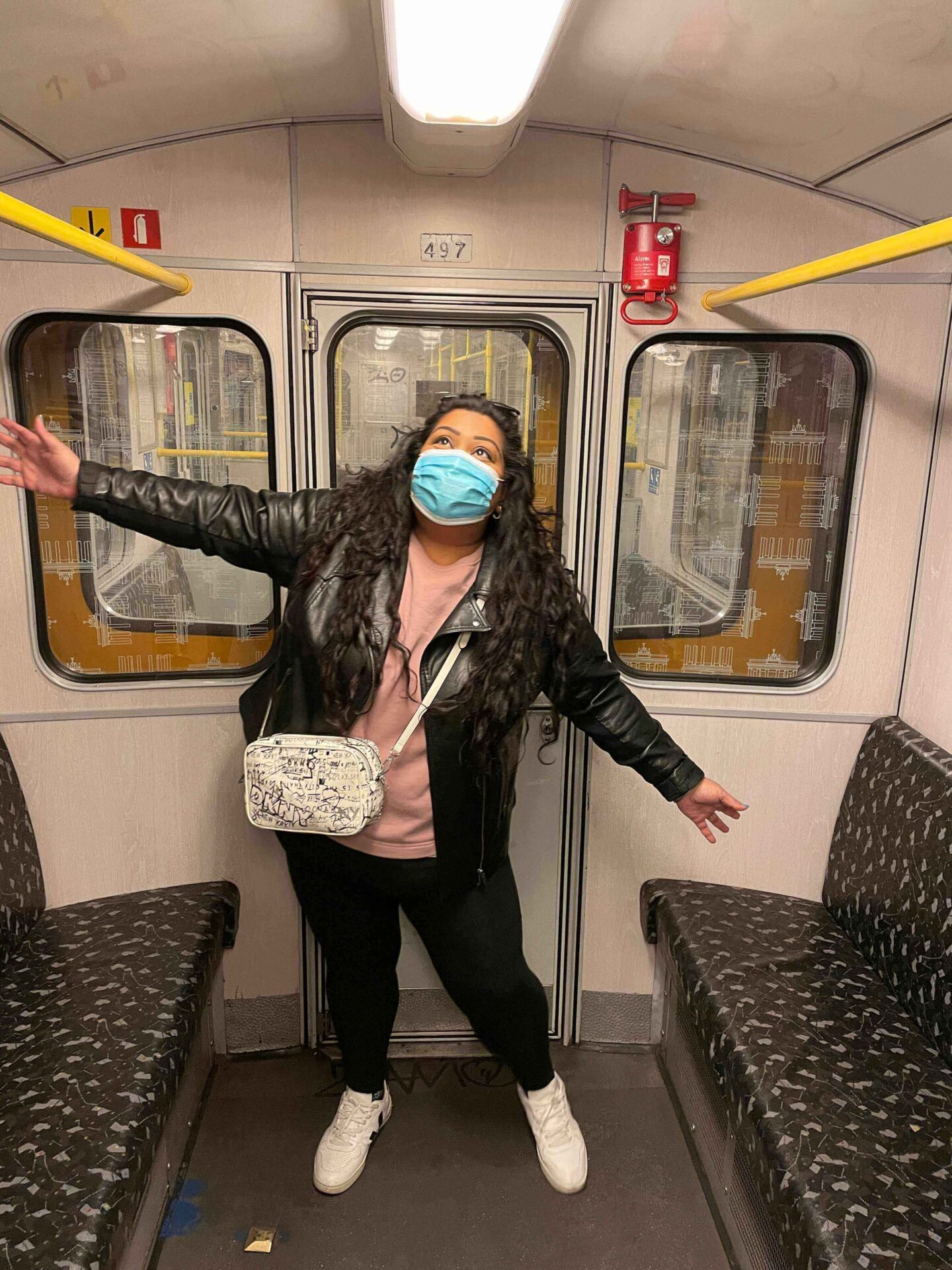
6. Everyone takes public transport
You might be surprised to discover that public transport in Europe is for the masses and not specific to any notion of class, bias or the type of traveller you are – unlike in other places. Public transport in Luxembourg is even free!
Obviously we’d all love to be chauffeur driven around the Champs-Élysées, Emily in Paris style but in the meantime a metro or bus will suffice!
Research the transportation options available in each country you plan to visit. Many countries offers excellent public transportation networks, including trains, buses and trams, while somewhere like The Cotswolds in the UK are best explored by car. Consider purchasing a rail pass if you plan to travel extensively. It’s economical, typically fast and easy to use.
7. Research local customs
Every European country has its own unique customs and etiquette. Take some time to research and understand the local customs, such as greetings, tipping practices and acceptable behaviour in different situations.
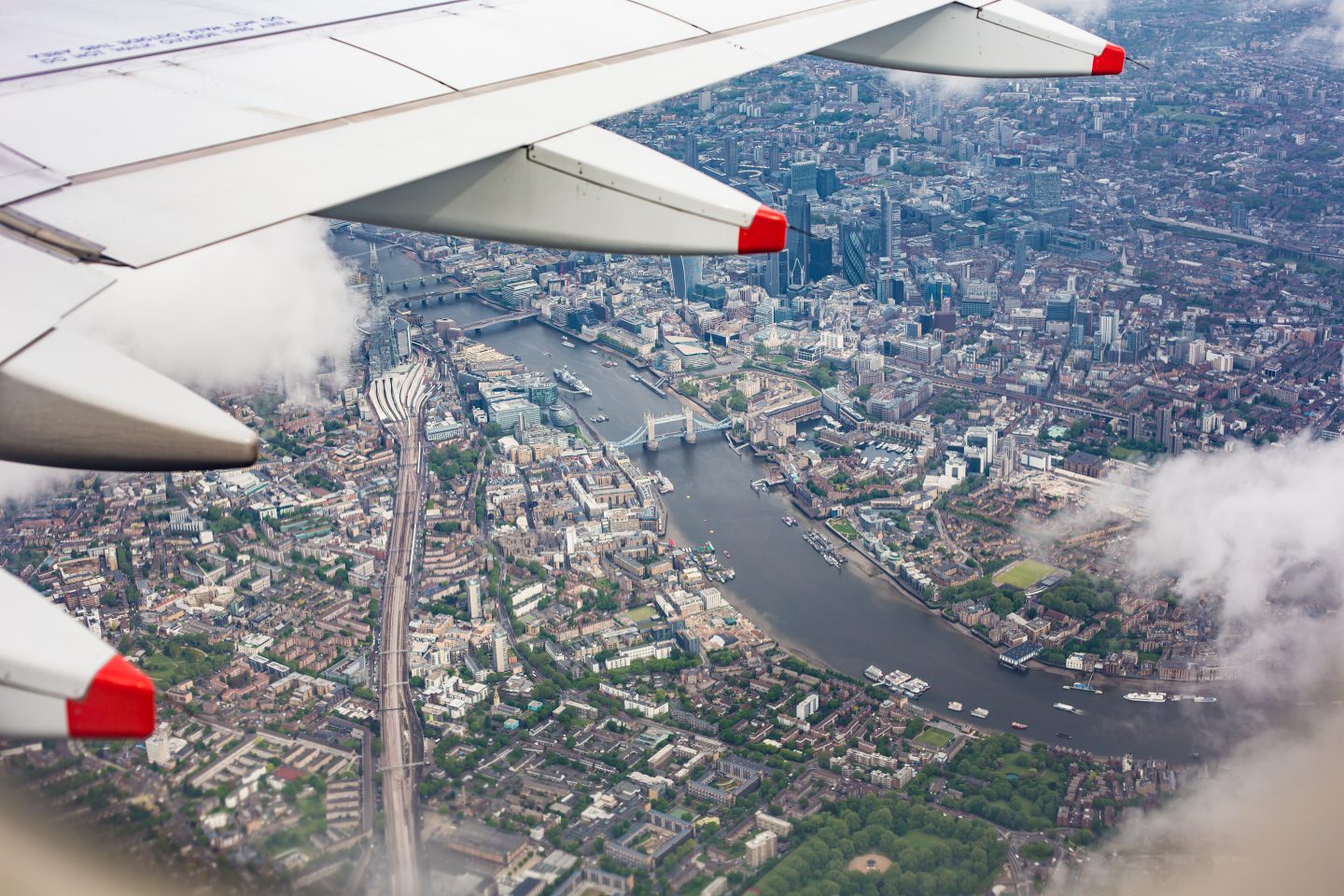
8. Flights in Europe can be a steal
Flights between European countries can be incredibly cheap thanks to the budget airlines like Ryanair, EasyJet and Wizz Air. Sure you’ll be compromising on leg room, but for short haul flights my 5 foot 3 and a half self can deal with it. And yes, the half is very important.
My sincerest apologies if you have long legs. I clearly can’t relate to this one.
I have paid as little as £8 to fly from London to Dublin and £22 return from London to Porto. Just be mindful that the cost of luggage, choosing a specific seat and food on the flight will cost you far more than the flight price itself.
Also be aware that it can still cost you a pretty penny to get to and from some of the quieter airports in Europe that these budget airlines fly to, so do some research first.
Alternatively, cruises are a great way to see multiple countries without the worry of an airport.
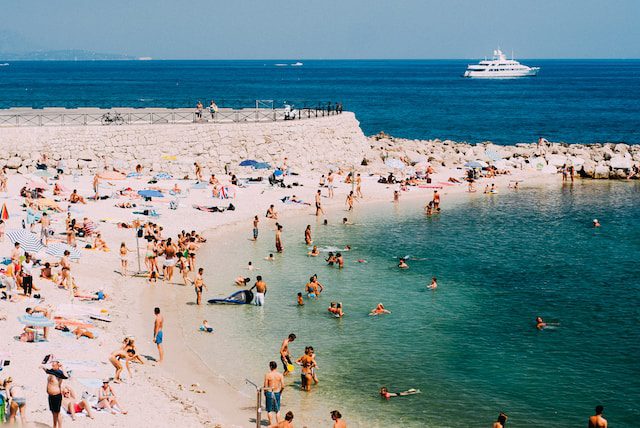
9. Avoid travelling to Europe in certain months
Avoiding peak season; June, July and August would be one of my most useful Europe travel tips. Not only will you avoid the scorching heat and crowds, travel prices increase significantly in the summer.
If you’re planning a trip and looking to trim your costs, your best bet is to book out of season which is typically around Autumn or Spring. That way you can grab yourself some pretty epic deals on flights and accommodation too.
10. Pack a universal adapter plug
Electrical outlets vary across the world and though Europe mainly uses the same round 2 pin plug in most countries, the UK and Ireland are an exception with our 3 pin plugs.
Packing a universal adapter plug will ensure you’ll be able to charge your devices in each place you visit.

11. Get a multi country SIM Card
Data roaming costs can be pretty high, especially if you’re travelling between multiple countries on an international SIM card. Grab a low-cost sim, such as Lebara or Three in the UK that offer great deals on European roaming. After all, nobody wants to be stung with high phone bills.
This will allow you to access maps, communicate with locals, make reservations and of course share your travels on social media, if you so wish.
On that note..
12. Download Offline Maps
Even if you have a local SIM card, it’s always worth downloading offline maps on your phone. If your Internet connection is weak or you have no service, offline maps will guide you to your destination as long as the entire route is within the offline map you downloaded.
Fun fact, I never seem to have phone service in Manchester for some unknown reason, and I drive up there a few times a year. Offline maps have been an absolute godsend for me – it just means I don’t get lost nearly as much as I used to!

13. Try Local Cuisine in Europe
One of the best ways to experience Europe is through its cuisine. For example, Berlin is probably the most vegan friendly city in Europe and Porto blew me away with their culinary offerings.
Food tours are really popular around the world for good reason. Don’t miss the opportunity to try traditional dishes and explore local markets and street food stalls for an authentic culinary adventure.
14. Be vigilant of pickpockets and scammers
Europe is a pretty safe continent in general. But like anywhere else in the world, it is best to be away of risks and threats around you.
Popular tourist destinations in Europe can be very crowded, making tourists an easy target for pickpockets. Stay vigilant and keep your belongings secure; If you have a backpack, don’t keep your wallet in the front pocket where it’s accessible to pickpockets, for example. Don’t walk alone at night down dark alleys and pretty much just take the same types of precautions that you’d take at home.
Also beware of scammers asking for you to sign a petition, mothers with children asking you for money, or people posing as train company employees offering to help you buy tickets. These are pretty well-known scams around Europe, so just keep an eye out and know what you’re up against.
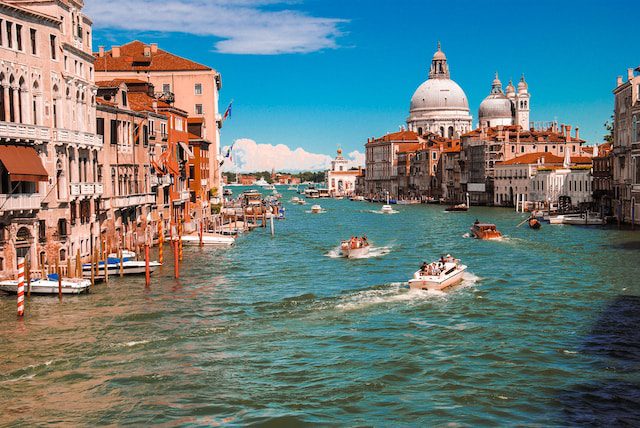
15. Be aware of the Coperto in Italy
A coperto is a small cover charge that restaurants in Italy charge per person for servings of bread, oil, vinegar, salt and pepper at the beginning of the meal – essentially a charge for sitting down to eat.
If this charge isn’t mentioned and you still are served bread, expect to see an item for ‘pane’ (bread in Italian) on your bill.
There have been stories in the media of people in Venice that have been scammed and charged several hundred dollars for the coperto! It is usually between €1 – €3 per head. The scams are rare, but just be aware and don’t be afraid to ask. Most menus will have the coperto price listed in really small print somewhere.
16. Tipping in Europe
When dining out in Europe, tipping is not as expected in Europe as it is in America so you likely won’t receive the level of butt-kissing that you may be used to across the pond. Waiters don’t typically check up on you every few minutes and you need to signal to them if you need something and ask for the bill when you’re done.
Tips are often just the small change you receive when paying by cash. If you’re paying by card, you’ll most likely need to bring cash for a tip as card machines in most restaurants in Europe do not have the option to add a tip.

17. Keep Important Documents Safe
Make digital copies of your passport, ID, travel insurance and other important documents. Store them in a secure cloud service or email them to yourself as a backup in case of loss or theft while travelling.
18. Take Free Walking Tours
One of my best Europe travel tips is to take a free walking tour. Many European cities offer these free tours which are becoming increasingly popular as they can be a great way to find your bearings and learn about a city. You can also ask your guide for insider tips things to do, the top restaurants and bars etc.
Always google free walking tours in advance for whichever city you visit and be sure to tip your guide too, considering your tour was free. This is essentially your payment for the tour.
19. Tap water is safe to drink in Europe
Exploring Europe’s cities and attractions can be tiring, especially during the summer months. Carry a reusable water bottle and know that it’s safe to drink tap water in most of Europe.
Most restaurants will serve you tap water without having to ask for it – it’s always important to stay hydrated.

20. Each country in Europe is wonderfully unique
From the hustle and bustle of London, the charm of Porto to the beauty of Ireland, our countries in Europe are vastly different both historically and culturally. And this diversity is something that should be embraced.
Even if you’re staying in the same country, you’d be surprised at the difference in a busy city like London compared to the coastal town of Bournemouth that’s just under two hours away on the train, let alone when you go further afield to Scotland.
If you’re planning a road trip around Europe, make sure to include a variety of different cities in each country that’ll allow you to discover the wealth of diversity and really get a taste of our diverse continent.
Need help planning your trip from start to finish?
Check out these helpful links:
- 👉🏼 Find cheap flights
- 👉🏼 Savings on accommodation from boutique hotels to affordable resorts
- 👉🏼 The most comprehensive resource to help plan excursions on your next trip
- 👉🏼 This pass gives you free lounge access to over 1500 airport lounges
- 👉🏼 Affordable car rental options
- 👉🏼 Book land and water transport for travelling around South East Asia
- 👉🏼 Use an eSIM to prepare your phone for international travel before leaving
- 👉🏼 Pay anywhere in the world, in any currency, using your debit card without fees
- 👉🏼 Travel insurance with essential medical & travel coverage at low premiums
21. Wake Up Early
I know this sounds really basic, but it’s probably one of my best Europe travel tips. Make the most of those early morning hours and wander the streets before the rest of the tourists descend. Particularly in Venice, Paris and Rome, which can be truly magical places in the morning light. It’s the only time you’ll be able to experience these cities peacefully without the hoards.

22. Don’t Try to See it All
On that note, this is probably one of my best Europe travel tips!
Sure, travelling to Europe for the first time is exciting, with so many bucket list destinations screaming to be visited, you’re likely to want to see as much as you can. Unless you’re travelling around in Europe for a year, don’t try to see it all in one trip!
This continent is huge and each country is so different, just whittle your list down to the things you really want to see, and not just what an itinerary you found online tells you to see.

23. Be mindful of dress codes
Some European religious sites, museums and restaurants may have dress codes. Pack a shawl or dress modestly to ensure you can visit these places without any issues.
If you visit the famed Monte-Carlo casino in Monaco for example, men must be dressed in a blazer and tie. If you’re visiting Rome, pack appropriately to cover your shoulders and knees and save yourself from last-minute purchases at the Vatican and other churches.

24. Explore off the beaten path
While popular cities like Paris, Rome and London are must-see destinations, don’t be afraid to venture off the beaten path and soak up the atmosphere. This is where the true beauty of a country lies.
My advice would be to walk in the opposite direction to where the crowds are headed. People are so focussed on their main goal, they become ignorant to the other things around them; the charming streets, wonderful architecture, secret alleys and simply the joy of people-watching.

Explore smaller towns like York as well as London or Galway as well as Dublin for a more authentic and less crowded experience.
25. Book Your Accommodation as soon as possible
The sooner you book your accommodation in Europe the better! You’ll have more options available and may benefit from lower prices by booking early.
I always look at Booking.com and Agoda to compare hotel costs against the reviews on TripAdvisor before booking any accommodation. It’s ideal because you can enter specific parameters like hotels with pools, good for kids, free parking, etc.

26. Respect Historical Sites
Europe is home to countless historical and architectural wonders. When visiting these sites, be respectful of the rules, refrain from touching artefacts and follow any guidelines provided to preserve these treasures for future generations.
27. Talk to the Locals
One of my favourite things to do in any destination is to get to know its people. Don’t be afraid to talk to the locals and learn their stories, culture and way of life. It can be truly fascinating. They have probably lived in the area for a long time and can tell you the best underrated places to eat and spend time too.
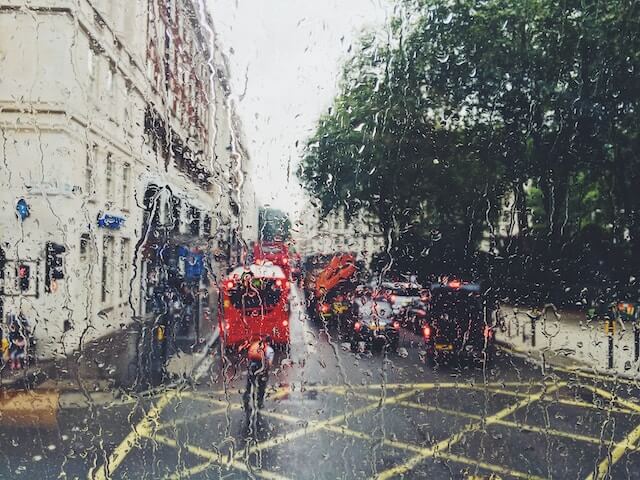
28. Be Prepared for the Weather
European weather can be unpredictable, particularly in England so it’s important to pack accordingly. Check the weather forecast before you go and pack layers that can be added or removed to adapt to changing conditions.
29. Take Advantage of Free Attractions
Many European cities offer free attractions, such as museums, parks and walking tours. Research these options in advance and make the most of your budget while still enjoying the rich cultural offerings.
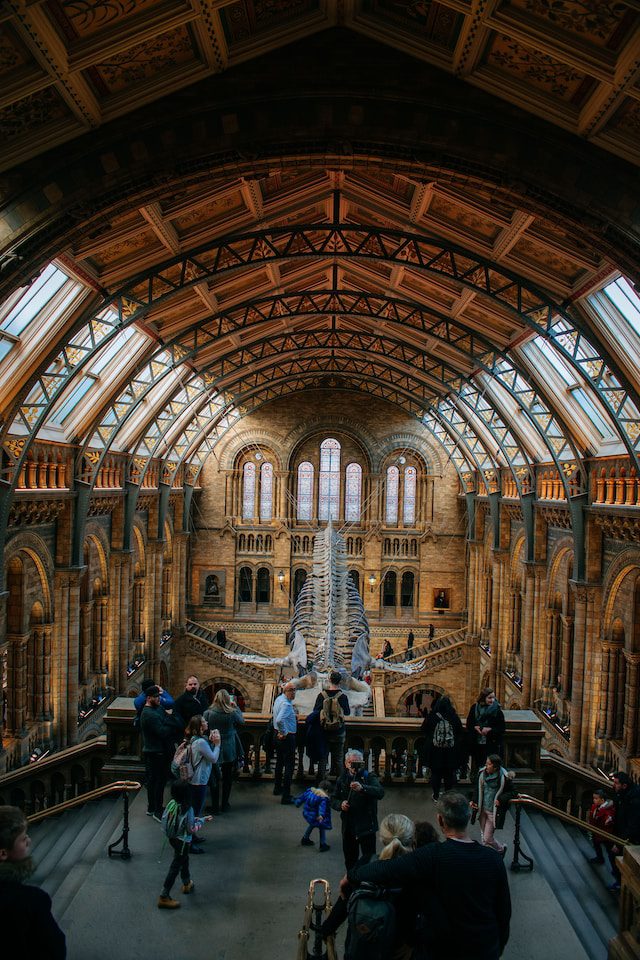
30. Be Aware of Public Holidays
Don’t assume everything is always open. I’d recommend researching the public holidays and closing dates in the countries you’ll be visiting, as they may impact the availability of certain services and attractions. Plan your itinerary accordingly to avoid disappointment.
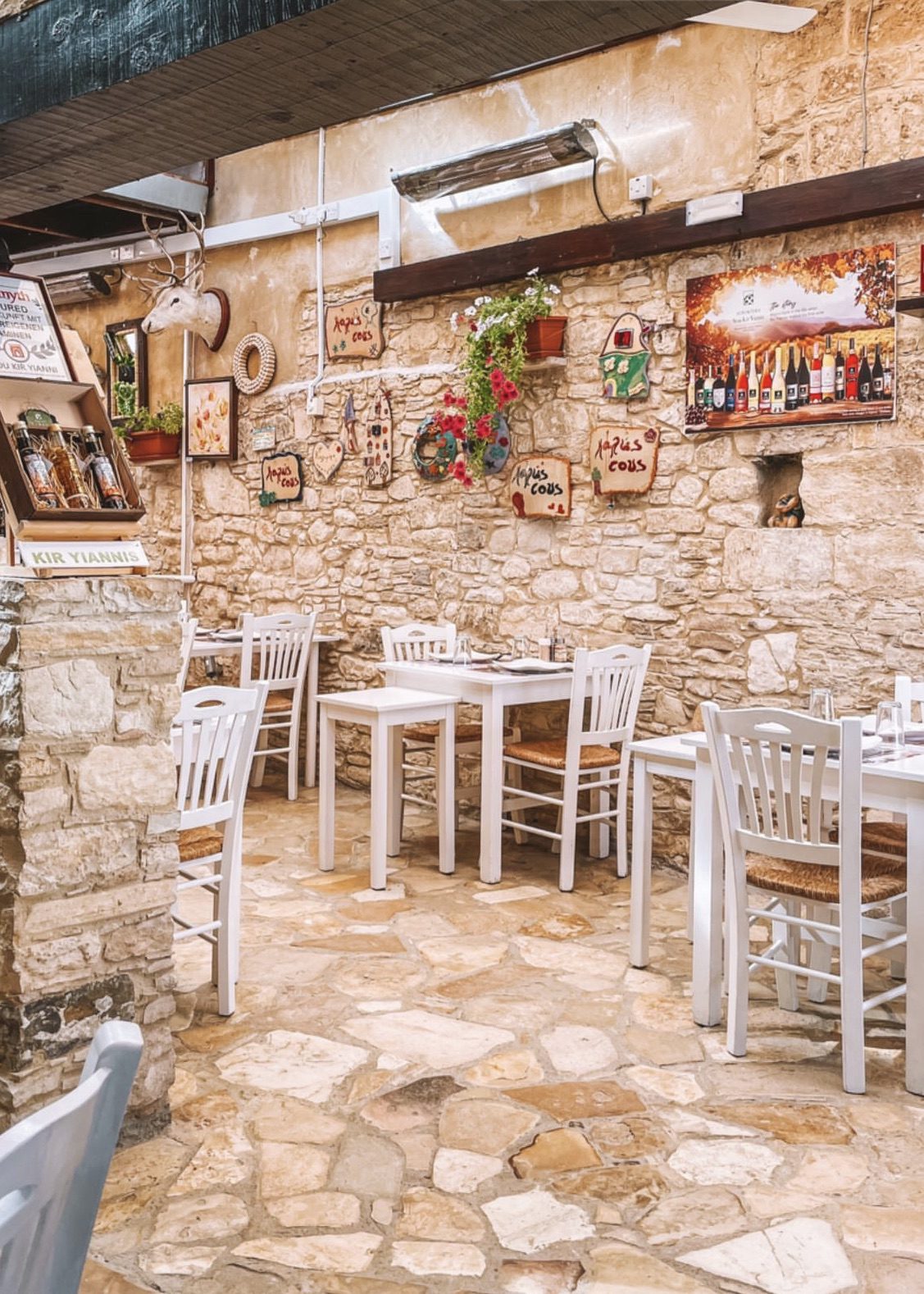
31. Meal Times May Differ
You might find yourself hungry in Spain or Portugal, only to discover that siesta time has kicked in, with many shops, eateries and services closing for a few hours’ kip. This can be quite the unwanted surprise, so it’s good to be aware.
Italians generally head out for dinner from 8.30pm onwards, so you might find that some restaurants aren’t open, if you’re accustomed to dining earlier. If you can’t hold out until then, do as the Italians do and have an aperitivo from 7pm.
Restaurant kitchens in Italy are known to close well after 10pm, so don’t worry about missing out on a proper dinner!
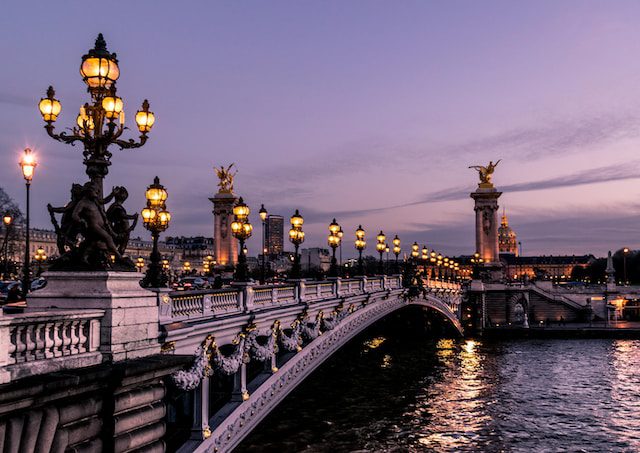
32. Stay Safe in Europe
Europe’s cities can be vibrant and exciting, particularly at night, but it’s crucial to prioritise your safety. Stick to well-lit areas, travel in groups if possible, and use licensed taxis or ride-sharing services to get around after dark.
A good source of updated and accurate safety information can be found and the Foreign & Commonwealth Office Country Advice that is updated daily with facts and safety information about travelling to every country in the world.
33. Take a Bus Tour
Going on a Hop On Hop Off bus tour on your first day in any new city can be really helpful. It allows you to get a good overview of the city quickly, while being able to get off at the spots you want to explore.
34. Be Flexible & Don’t Over-Plan
While it’s important to plan ahead, especially for major attractions, be open to spontaneous adventures, unexpected opportunities and some downtime. Wandering around aimlessly is always a wonderful experience.
So leave room in your itinerary for unplanned activities, allowing yourself to truly experience the magic of each city in Europe.

35. Keep a Travel Diary
Finally, savour every moment of your European adventure by keeping a travel diary. I did this on every trip I went on before I started my travel blog (and still do, obviously) and I love to look back and read it.

Immerse yourself in the rich history, stunning architecture and diverse cultures that make Europe such a captivating destination.
By following these essential Europe travel tips, you’ll be well-prepared to make the most of your adventure and create memories that will last a lifetime! From planning and packing to navigating local customs and embracing new experiences, these tips will help ensure a smooth, safe, and memorable adventure. Bon voyage!
Need help planning your trip from start to finish?
Check out these helpful links:
- 👉🏼 Find cheap flights
- 👉🏼 Savings on accommodation from boutique hotels to affordable resorts
- 👉🏼 The most comprehensive resource to help plan excursions on your next trip
- 👉🏼 This pass gives you free lounge access to over 1500 airport lounges
- 👉🏼 Affordable car rental options
- 👉🏼 Book land and water transport for travelling around South East Asia
- 👉🏼 Use an eSIM to prepare your phone for international travel before leaving
- 👉🏼 Pay anywhere in the world, in any currency, using your debit card without fees
- 👉🏼 Travel insurance with essential medical & travel coverage at low premiums
