
Day Trip to Otaru from Sapporo: What to See and Do

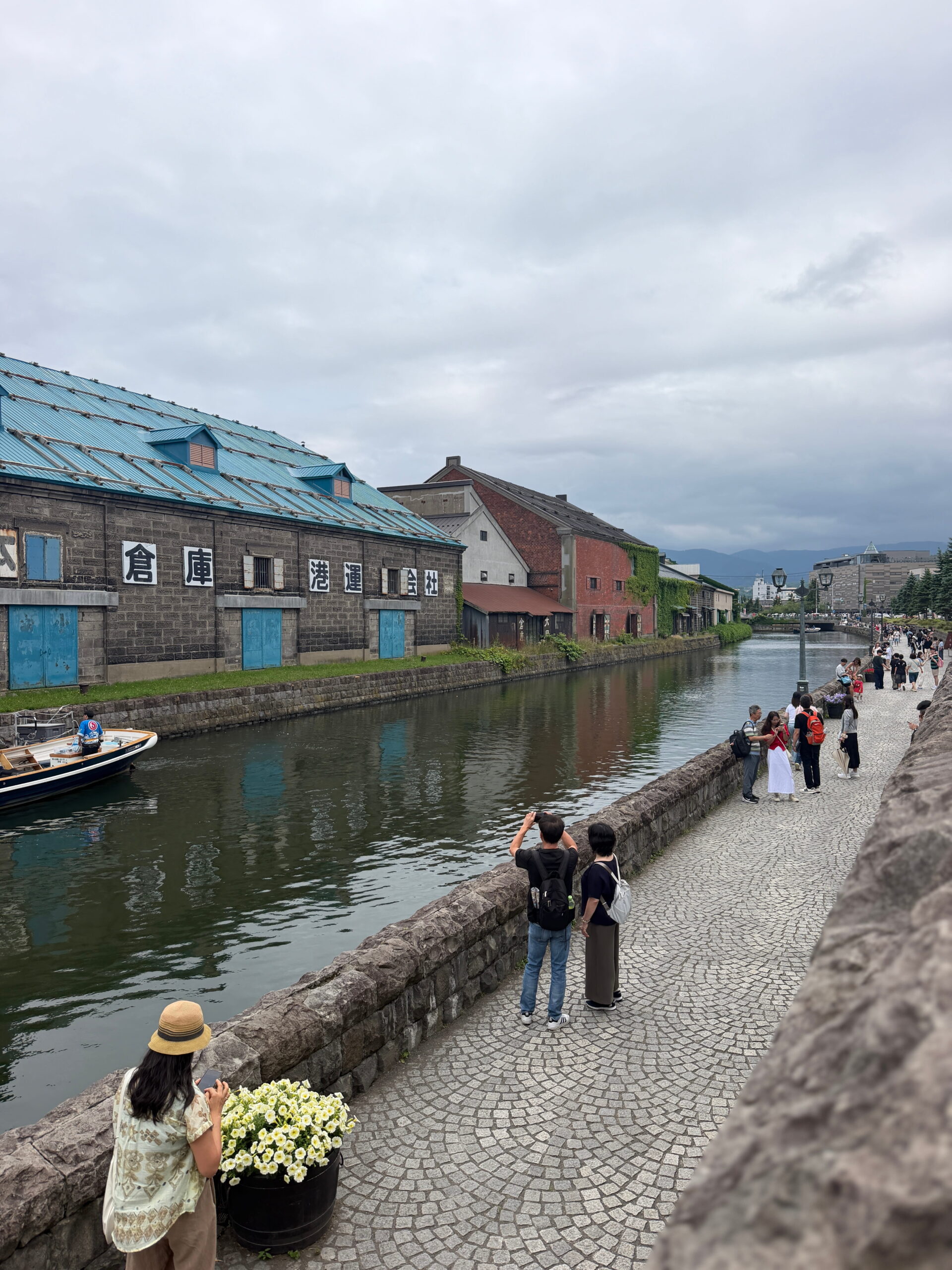
After several days exploring Sapporo, a day trip to Otaru felt like a lovely change of scenery, and I’d highly recommend adding it to your itinerary.
It’s a historic port city with a picturesque canal, old warehouses, glass shops, music boxes and some rather excellent cheesecake.
And it’s only around 40 minutes from Sapporo by train, so you don’t need to worry about changing hotels or spending half your day travelling.
We spent most of our time wandering around the canal and Sakaimachi Street, stopping whenever something caught our attention. Which, as it turns out, was quite often.
If you’re planning a day trip to Otaru from Sapporo, here’s how I’d spend your time, including what we enjoyed most, how to get there and a few things I’d do differently.
This post may contain affiliate links which means that I may earn a small commission, at no extra cost to you, for qualifying purchases. For more information, read our disclaimer.
Is Otaru worth visiting?
Yes, absolutely.
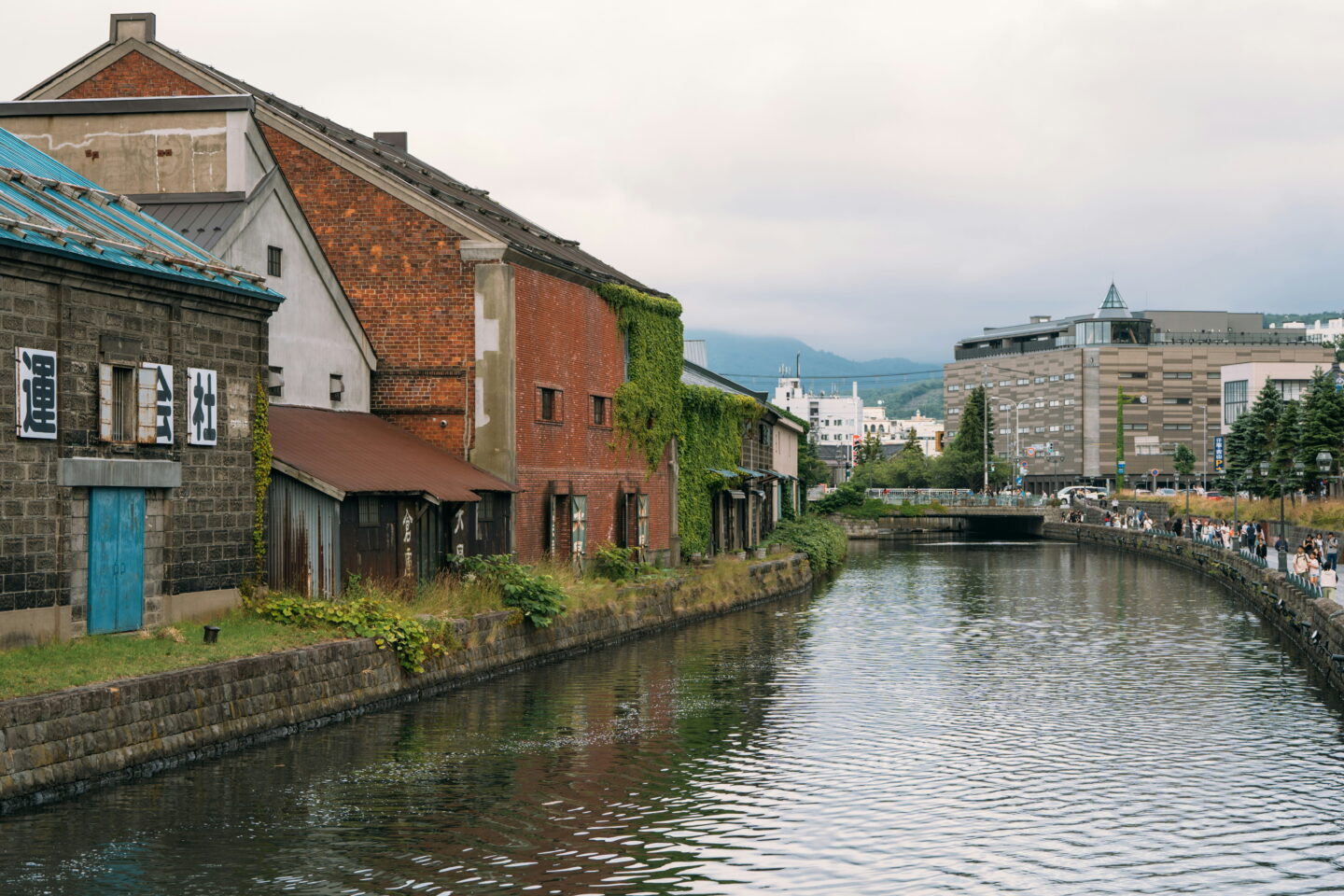
I think Otaru is one of the easiest and most enjoyable day trips you can take from Sapporo, particularly if you like exploring somewhere at your own pace.
It’s quite different from Sapporo.
While Sapporo has wide streets, modern buildings and the feel of a major city, Otaru has a much more old-fashioned atmosphere.
The canal is lined with historic warehouses and the streets around Sakaimachi are full of little shops selling glassware, music boxes and other locally made products.
What I particularly enjoyed was that we didn’t need to spend the day rushing between attractions.
We could simply wander around, pop into shops and stop for something to eat whenever we fancied.
And we found some rather unexpected places along the way, including a brewery that was designed like a German beer hall and a shop selling Snoopy-shaped dorayaki.
Not necessarily what I’d expected from a Japanese port city, but I wasn’t complaining.
That said, I wouldn’t visit Otaru expecting a packed day of major landmarks.
For me, its appeal is in the atmosphere, historic streets and smaller experiences.
If you enjoy browsing, eating and exploring without a strict plan, I think it’s well worth visiting.
How to get from Sapporo to Otaru
Getting to Otaru from Sapporo is straightforward, which is one of the reasons I’d recommend it as a day trip.
We travelled by train, and I wouldn’t bother booking an organised tour if you’re only planning to explore central Otaru.
Taking the train from Sapporo to Otaru
You can take a JR train from Sapporo Station to Otaru Station, with the journey typically taking around 30–45 minutes depending on the service.
We found it easy to make the journey independently, and it was nice not having to worry about meeting a tour group or following somebody else’s timetable.
I’d recommend leaving Sapporo in the morning so you have plenty of time to explore.
Once you arrive at Otaru Station, the canal is roughly a 10-minute walk away.
From there, you can continue towards Sakaimachi Street and most of the main attractions on foot.
I’d check the latest JR timetable and fares before travelling, but there’s no need to overcomplicate the journey.
Hilariously, our plan to leave Sapporo early in the morning didn’t quite work out, as several trains were cancelled or delayed. An announcement at Sapporo Station explained that there was a bear on the tracks, which certainly wasn’t something I’d expected to hear! We ended up hanging around the station until about 11am, but still had plenty of time to explore Otaru.
Can you visit Otaru on a guided tour?
Yes, although I’d only consider one if you want to visit somewhere beyond central Otaru or prefer having a guide.
For example, Klook offers a day tour of Otaru from Sapporo, which could be useful if you’d rather explore with a local host. You spend two hours in Otaru and also visit the Nikka Whisky Yoichi Distillery, Cape Kamui, Shimamui Coast and Golden Cape before heading back to Sapporo.
Alternatively, you can book a full day trip to Otaru from Sapporo with a licensed guide and customise your itinerary the way you would like to. This is a great option if you like the idea of having a private guide but aren’t confident about navigating a day trip on your own.
Personally, I was happy exploring Otaru independently.
It’s compact enough that you can see plenty without needing a tour, and part of the fun was discovering things we hadn’t planned to visit.
If you’re planning a longer stay in Hokkaido, I’ve included Otaru in my 5 days in Sapporo itinerary, alongside the other places we explored during our trip.
What to do in Otaru on a day trip
You can easily fill a day in Otaru without trying to visit every attraction.
Here’s what I’d prioritise.
1. Visit Sankaku Market (Triangle Market)
Just a short walk from Otaru Station, Sankaku Market, also known as Triangle Market, is one of the city’s best-known food markets.
It’s particularly famous for its fresh seafood, with stalls selling everything from crab and scallops to sea urchin and salmon roe.
You’ll also find small restaurants serving seafood rice bowls, known as kaisendon, which are a popular choice for visitors wanting to try some of Hokkaido’s local specialities.
As a vegetarian, this wasn’t somewhere I’d be heading for lunch, but if you love seafood, it’s definitely worth knowing about.
The market is relatively small, so you don’t need to set aside hours to explore it. It’s more of a quick stop than a major attraction, particularly if you’re not planning to eat.
I’d recommend visiting when you first arrive in Otaru, as it’s conveniently located beside the station. You can then continue towards the canal and spend the rest of your day exploring the historic streets and shops.
If seafood isn’t your thing either, I’d skip it and head straight for the canal. There are plenty of other things to enjoy in Otaru.
2. Walk along Otaru Canal
Otaru Canal is probably the city’s most recognisable attraction, and it’s a sensible place to begin.
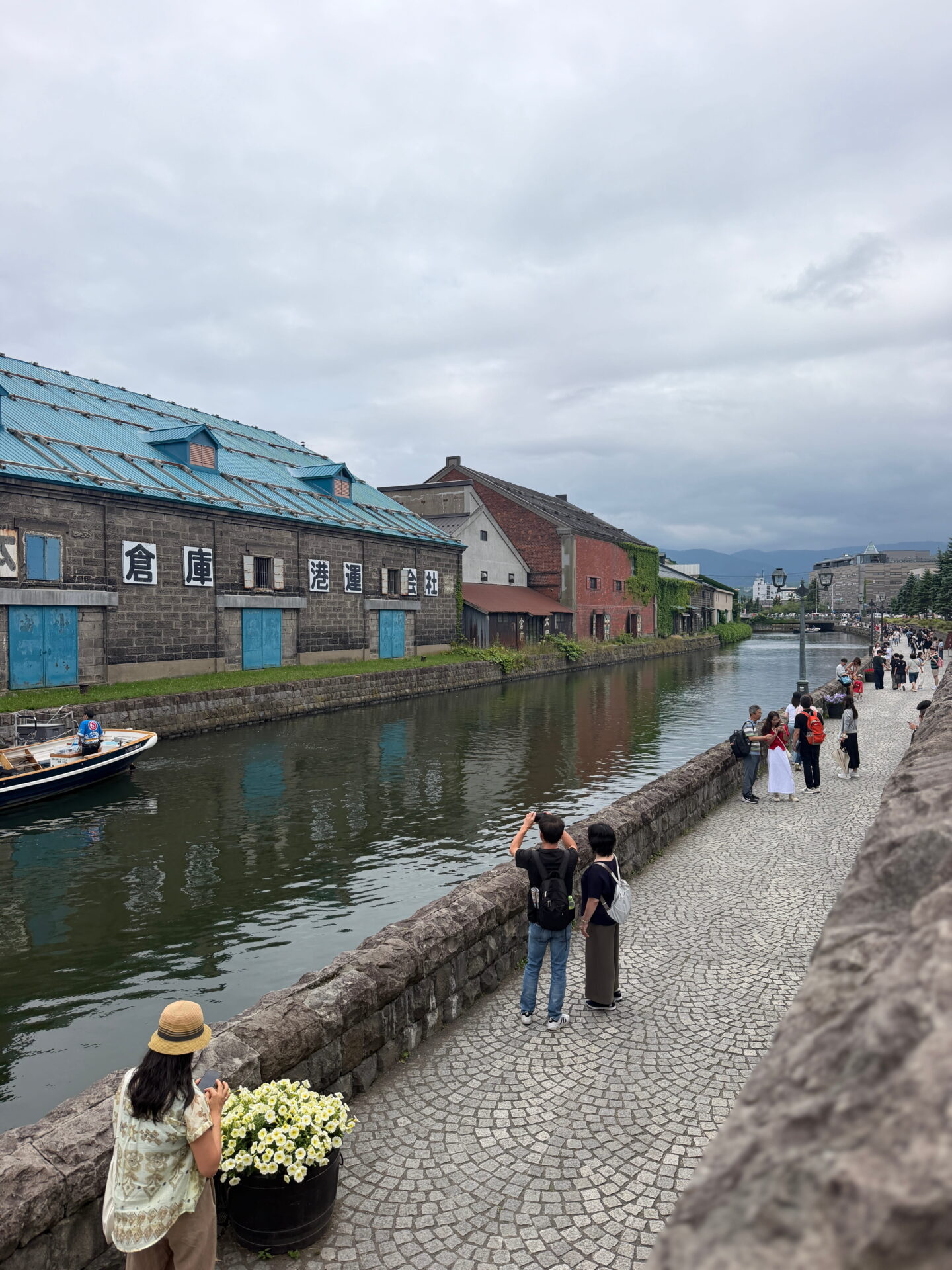
The canal is lined with old stone warehouses, many of which have been repurposed into shops, restaurants and other businesses.
It has a completely different atmosphere from central Sapporo.
We spent some time walking along the waterside, looking at the buildings and watching the sightseeing boats.
It’s a lovely area to photograph, although I wouldn’t necessarily dedicate hours to the canal itself.
I think the surrounding streets are just as interesting.
If you’d prefer to see the canal from the water, there are sightseeing cruises available. You can combine an Otaru Canal cruise with a traditional engraving experience where you can carve your name in Tensho script onto a natural stone called Rohseki, creating your own seal.
We didn’t take a cruise ourselves, as we walked up and down the canal instead.

I’d personally prioritise walking around first and then decide whether you want a different perspective. You can also buy tickets for the canal cruise on the day, if you want to.
3. Stop for a drink at Otaru Soko No.1 Brewery
One of our more unexpected discoveries was Otaru Soko No.1 Brewery, close to the canal.
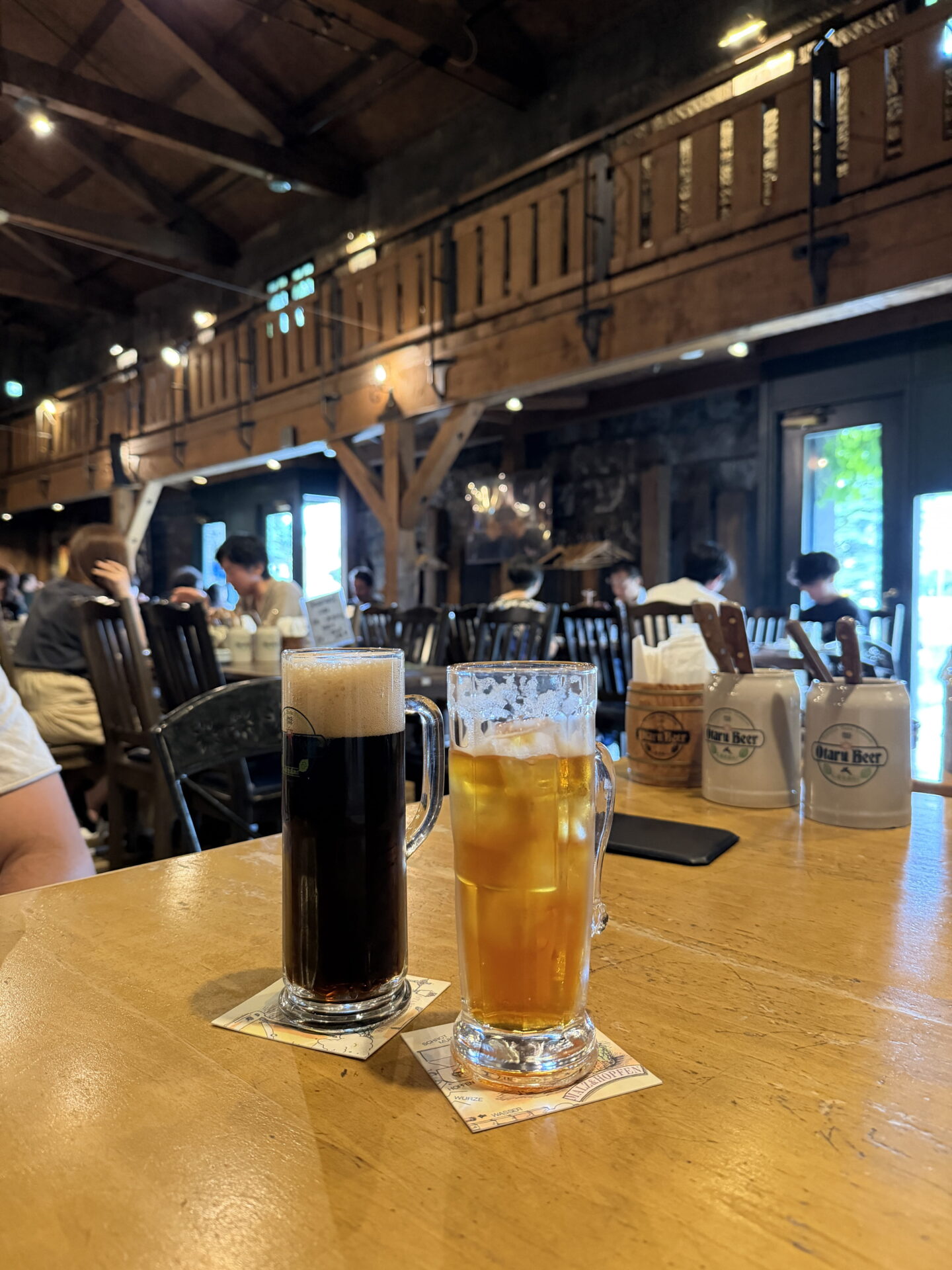
We hadn’t planned to visit, but we came across it while exploring and decided to stop for a drink.
Inside, it was designed to look like a traditional German beer hall.
There was a wonderfully unexpected mixture of Japanese and European influences, including people ordering British pub classics such as fish and chips.
It was slightly surreal sitting there in Japan, surrounded by a setting that wouldn’t have looked particularly out of place in Germany.
But it was interesting.

There’s a small museum exhibition upstairs, so it’s worth having a look if you’re interested in the brewery’s history.
I wouldn’t necessarily plan your entire Otaru day trip around it, but if you enjoy beer and happen to be nearby, it’s a lovely place to stop.
4. Browse the independent shops around Otaru Canal
One of my favourite things about visiting Otaru was discovering the independent shops tucked into the historic buildings near the canal.
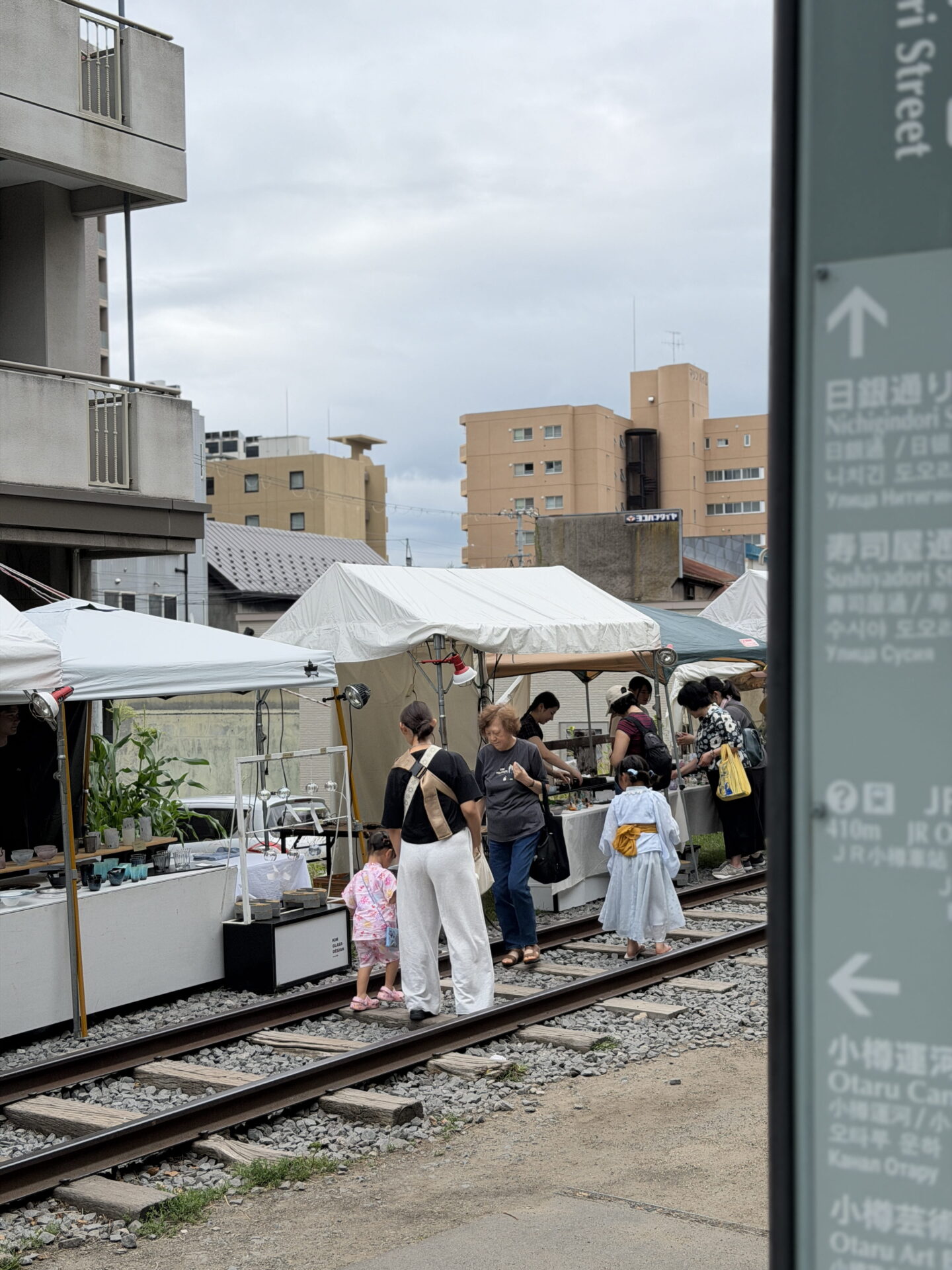
Many sell handmade glassware, ornaments and locally crafted souvenirs, and some of the pieces were absolutely beautiful.
I particularly loved the delicate ceramic chopstick rests and was seriously tempted to buy a few. Unfortunately, the ones I had my eye on were sold out, so that decision was made for me.
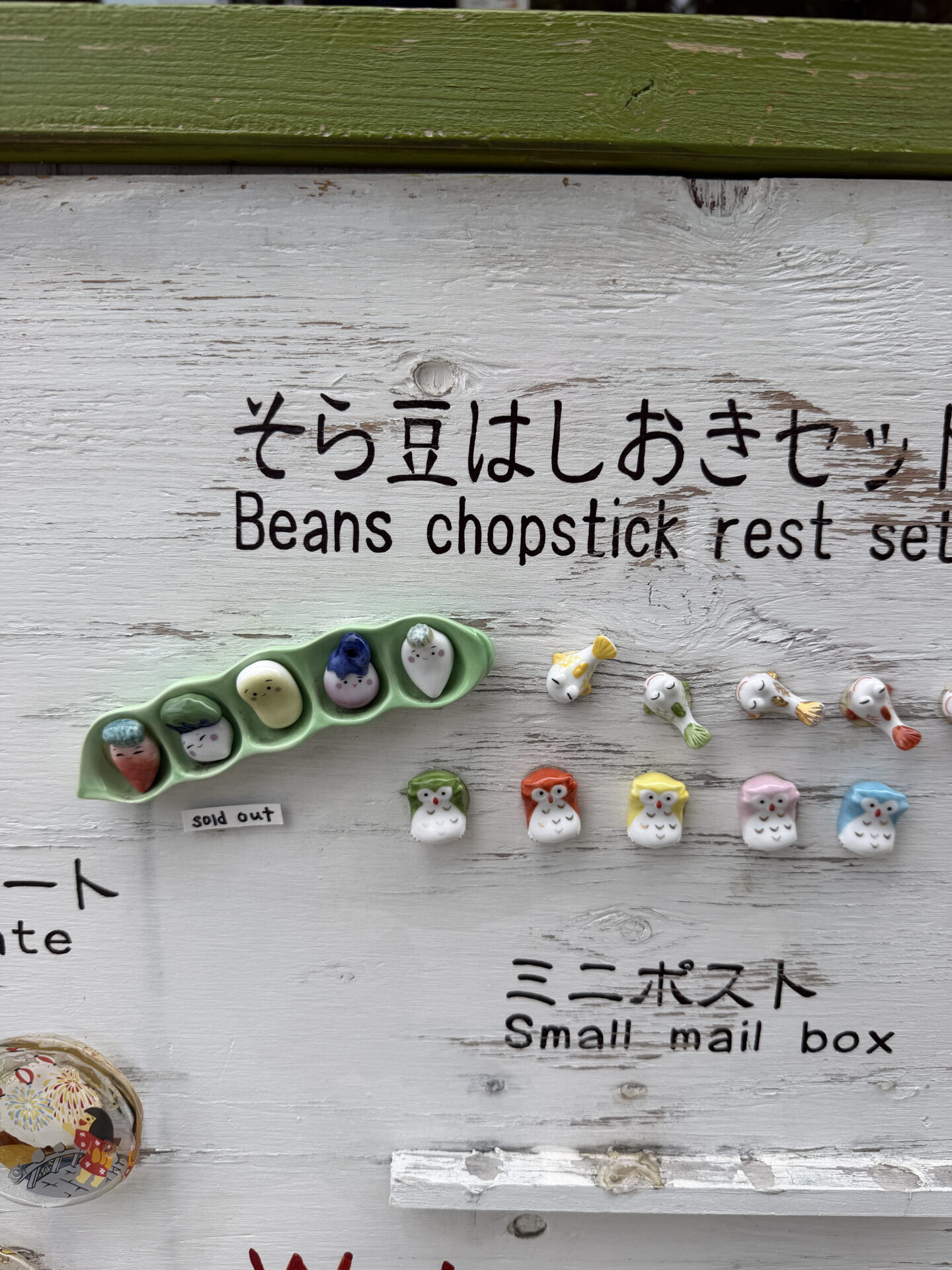
Probably for the best, given how much I’d have worried about getting them home in one piece.
What I liked about these smaller shops was that the souvenirs felt a little more unusual than the things you tend to find in typical tourist shops.
I’d recommend spending some time browsing around the canal before heading towards Sakaimachi Street. You don’t necessarily need to buy anything to enjoy looking at the craftsmanship.
5. Explore Sakaimachi Street
Sakaimachi Street was one of my favourite parts of our Otaru day trip, and it’s where I’d recommend spending most of your time.

It’s a historic shopping street lined with cafés, traditional-looking buildings and all sorts of interesting shops, from glassware and music boxes to Japanese character-themed treats.
After exploring the canal, we spent much of our afternoon wandering along here, popping into whichever shops caught our attention.
I particularly enjoyed the variety. One minute we were browsing traditional Japanese crafts, and the next we were looking at Snoopy-shaped dorayaki.

It’s also where you’ll find several of the places I’ve mentioned below, including Kitaichi Glass, the Otaru Music Box Museum and LeTAO.
I’d allow at least a couple of hours to explore Sakaimachi Street properly, especially if you enjoy browsing shops and stopping for food.

For me, it was much more enjoyable than trying to rush between attractions with a strict timetable.
6. Visit Kitaichi Glass
If you’ve enjoyed browsing the smaller glassware shops around Otaru Canal, Kitaichi Glass is another place worth looking into while you’re exploring Sakaimachi Street.
It’s one of Otaru’s best-known glassware retailers, with a much larger selection than many of the independent shops.
You’ll find everything from traditional Japanese drinking glasses and tableware to colourful vases, lamps and decorative pieces.
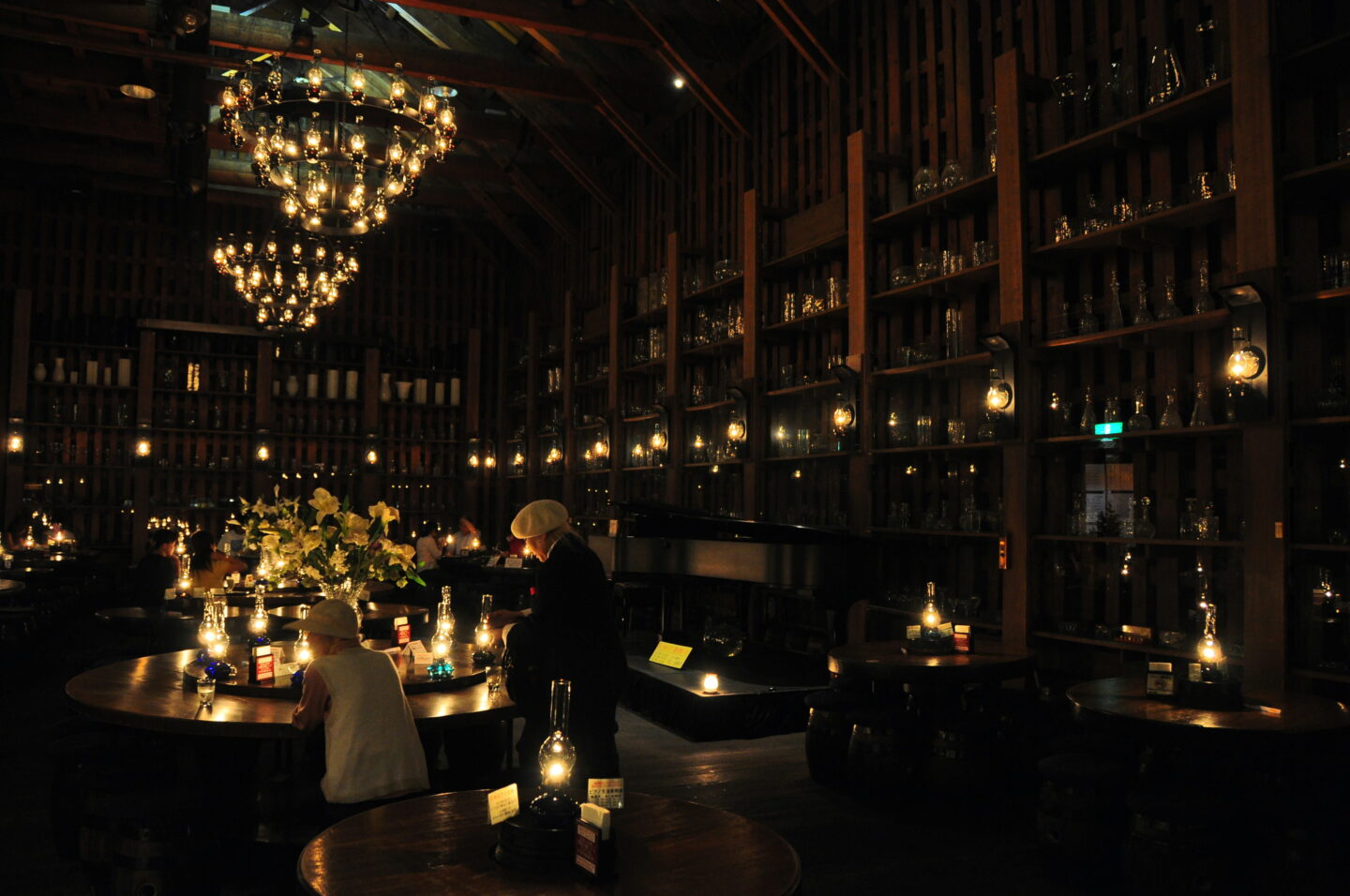
Otaru has a long history of glassmaking, and Kitaichi Glass gives you a good idea of the variety of designs associated with the city.
I’d recommend visiting as part of your walk along Sakaimachi Street rather than treating it as a separate attraction.
Even if you’re not planning to buy anything, it’s worth a browse if you appreciate handmade glassware.
7. Visit the Otaru Music Box Museum
Another popular attraction around Sakaimachi Street is the Otaru Music Box Museum.

Even if you’re not planning to buy anything, it’s worth stopping to have a look.
Music boxes aren’t something I would normally go out of my way to shop for, but they’re such a distinctive part of Otaru’s tourist area that it would seem a shame to miss them.
You’ll find everything from traditional designs to more elaborate decorative pieces.
I’d combine this with the glass shops rather than treating it as a separate excursion.
The main attractions around Sakaimachi are close enough that you can explore them as you go.
8. Explore the character-themed cafés and shops
One thing I wasn’t expecting to find in Otaru was quite so many character-themed cafés and shops.

Along Sakaimachi Street, you’ll come across places dedicated to Snoopy, Hello Kitty and Miffy, which are worth popping into if you’re already exploring the area.
I’m not particularly interested in character merchandise or collecting plushies, but we still had a look around all three.
Snoopy Cha-Ya
Snoopy Cha-Ya is more than just a souvenir shop. It’s a Snoopy-themed café and shop selling character-inspired food, sweets and merchandise.
This is where we came across the Snoopy-shaped dorayaki filled with red bean paste, which was absolutely delicious.

I hadn’t expected one of my favourite sweet treats in Otaru to come from a Snoopy shop, but there we are.
Even if you’re not particularly interested in Snoopy merchandise, I’d recommend having a look at the food.
Otaru Cafe x Hello Kitty
We also popped into Otaru Cafe x Hello Kitty, another character-themed café and shop.
As you’d expect, there’s plenty of Hello Kitty merchandise, along with themed food and drinks.
It’s a fun little stop if you’re a Hello Kitty fan, although I was more interested in seeing what the café was like than buying anything.
If you’re already wandering around Sakaimachi Street, it’s worth a quick look.
Miffy Oyatsu-do
Miffy Oyatsu-do is another cute little shop specialising in Miffy-themed snacks, sweets and merchandise.
We had a browse while exploring the area, although I wasn’t tempted to buy anything.
I think these shops are particularly appealing if you’re travelling with or shopping for children or if you happen to love Japanese character merchandise.
For me, they were enjoyable little stops along the way rather than attractions I’d specifically travel to Otaru for.
But that’s one of the things I liked about Sakaimachi Street. You never quite knew what sort of shop you’d find next.
9. Eat cheesecake at LeTAO
If there’s one food stop I’d recommend in Otaru, it’s LeTAO, particularly if you have a sweet tooth.
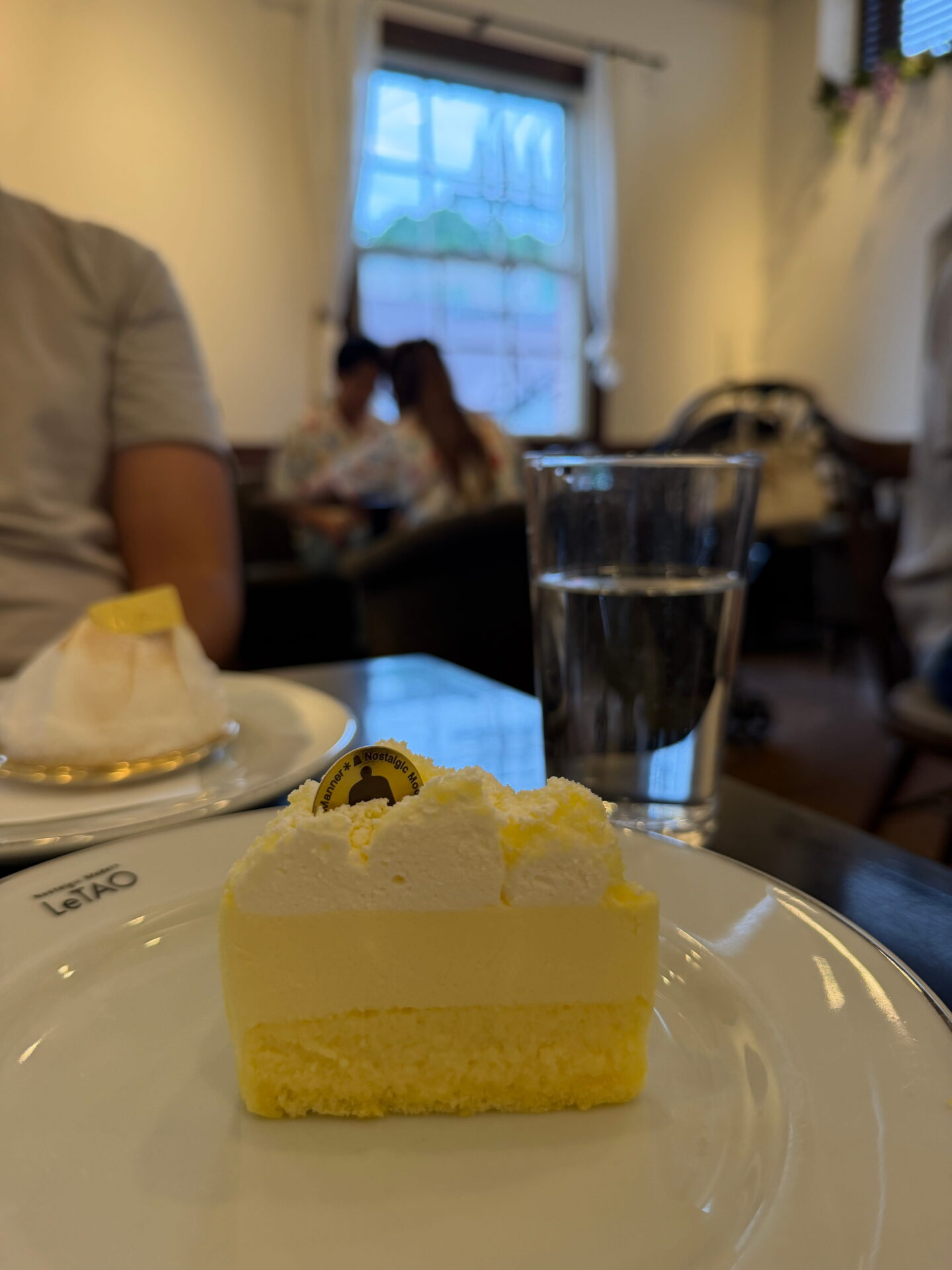
LeTAO is famous for its rich, creamy cheesecake, and its flagship store is right in Otaru.
You’ll find several LeTAO shops on Sakaimachi Street, and they hand out free samples outside their stores, which we happily tried while wandering around.
We decided to stop at the café upstairs in the flagship store for a proper dessert break.
Now, here’s where things got slightly complicated.
I’m lactose intolerant, so eating an entire cheesecake wasn’t really an option for me. Jass, on the other hand, absolutely loved it. He said it was incredibly rich and creamy.
Annoyingly, the café required us to order a dessert each if we wanted to sit at a table.
And as I can’t eat that much dairy, Jass ended up having to eat both desserts.
A terrible hardship for him, I’m sure.
Despite that, I’d still recommend stopping at LeTAO if you love cheesecake. You can always try the samples while exploring Otaru, or head upstairs to the café if you fancy sitting down for something sweet.
10. Enjoy the views from LeTAO’s observation deck
One thing you shouldn’t miss while visiting LeTAO’s flagship store is the observation deck upstairs.
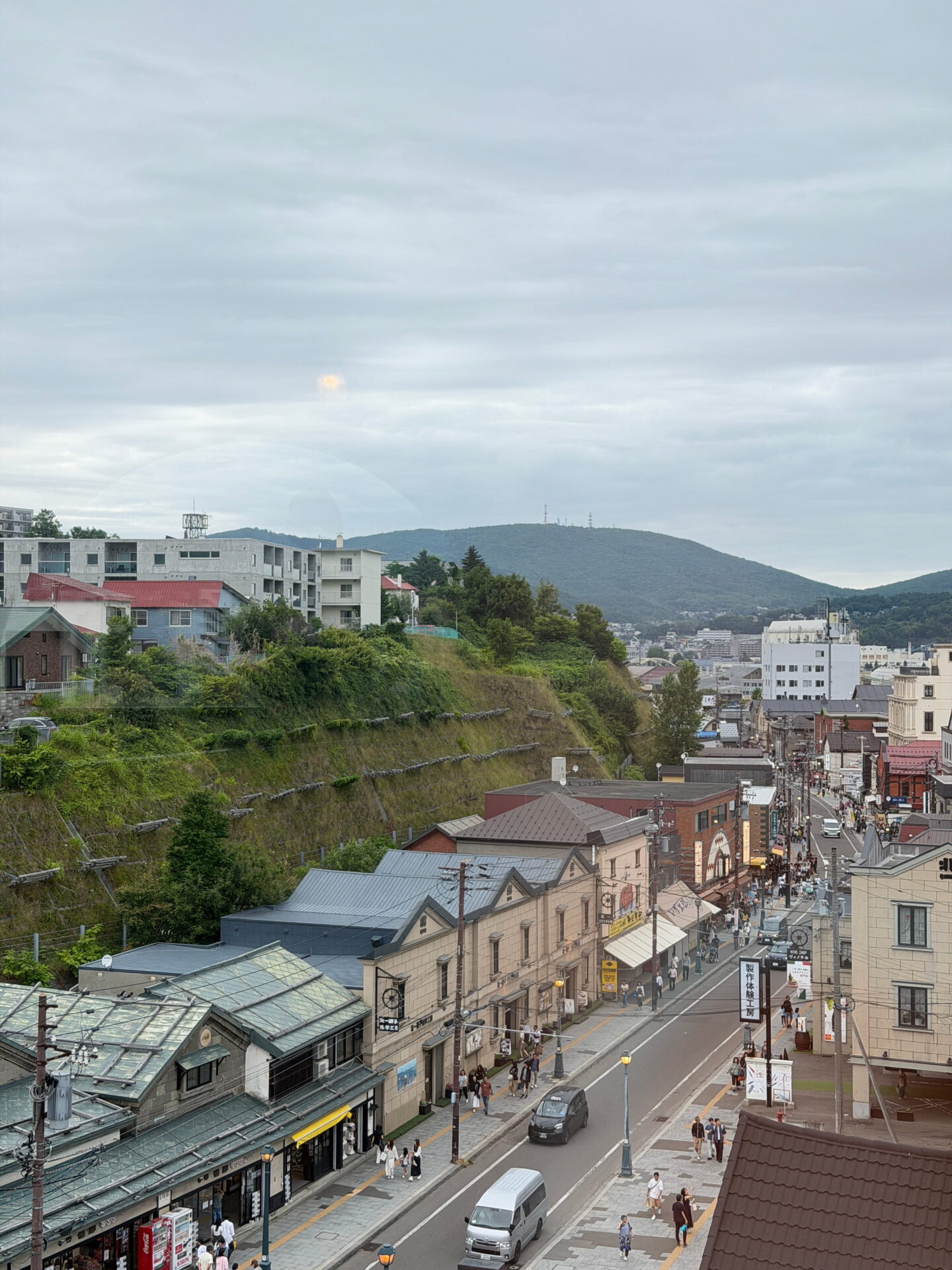
It’s actually the main reason I wanted to pop in.
It’s a fab little free spot to enjoy some of the best views of Sakaimachi Street, with its historic buildings, bustling shops and the surrounding rooftops stretching out below.
From up here, you get a completely different perspective of Otaru, particularly after wandering around at street level.
It’s also a great opportunity to take some photos and appreciate the architecture of the area.

I’d recommend heading up to the observation deck while you’re visiting LeTAO, even if you’re not planning to stop at the café.
After all, there’s more to LeTAO than cheesecake, although Jass might disagree.
11. Consider visiting Mount Tenguyama
If you’ve still got time later in the afternoon, you could consider visiting Mount Tenguyama.
It’s known for its views over Otaru and the coastline, and there’s a ropeway to the mountain.
We didn’t make it there during our visit, so I can’t give you a personal opinion on whether it’s worth the journey.
I’d treat it as an optional addition rather than something you absolutely have to fit into your day.
Mount Tenguyama is a little further out than Otaru’s main attractions. You can catch a bus from Otaru Station to the Tenguyama Ropeway, which takes approximately 15–20 minutes, followed by a five-minute ropeway ride to the summit.
I’d allow at least 1.5–2 hours for the excursion, including transport and time to enjoy the views. It’s worth checking the bus timetable and ropeway operating hours before setting off, particularly if you’re planning to visit later in the afternoon.
Personally, I wouldn’t cut short an enjoyable afternoon wandering around Otaru just to tick another viewpoint off the list.
But if the weather is clear and you love panoramic views, it’s worth considering.
My suggested Otaru day trip itinerary
If I were planning another day trip to Otaru from Sapporo, I’d follow a similar route but try to arrive a little earlier.
Despite not getting to Otaru until the afternoon, we still managed to see plenty, so don’t worry if you haven’t got an entire day.

Here’s the order I’d recommend exploring Otaru.
Morning: Otaru Station, Sankaku Market and the canal
Take the train from Sapporo to Otaru Station.
If you enjoy seafood, you could visit Sankaku Market first, as it’s right beside the station. Being vegetarian, I’d personally head straight towards Otaru Canal instead.
Spend some time walking along the waterfront before exploring the independent shops nearby.
If you fancy a drink, Otaru Soko No.1 Brewery is a convenient stop while you’re in the area.
Lunchtime: Find somewhere to eat
Before heading further into Otaru, I’d stop for lunch.

We found a tiny café called World Bao Otarunai, which had a vegan mushroom steamed bun that I could eat.
There was no indoor seating, just a small bench outside, but the buns were huge and delicious.
As a vegetarian, I was particularly pleased to find something other than seafood.
Afternoon: Explore Sakaimachi Street
Spend the afternoon working your way along Sakaimachi Street.
This is where I’d visit Kitaichi Glass, browse the Otaru Music Box Museum and pop into the Snoopy, Hello Kitty and Miffy-themed shops.
I’d also make time for LeTAO’s flagship store, both for the cheesecake if you can eat it and the free observation deck overlooking Sakaimachi Street.
There’s no need to follow a strict timetable here. Allow yourself time to explore whichever shops catch your attention.
Late afternoon: Return to Sapporo or visit Tenguyama
Once you’ve finished exploring Sakaimachi Street, you can head back towards Otaru Station for the train to Sapporo.
Alternatively, if you arrived early and still have time, you could consider visiting Mount Tenguyama for its views over the city.
We didn’t visit Tenguyama ourselves, and I wouldn’t sacrifice time around the canal and Sakaimachi Street just to squeeze it in.
We were staying at Sapporo Grand Hotel, less than a 10-minute walk from Sapporo Station, which made returning after a day out particularly convenient.
I’ve written more about our stay in my Sapporo Grand Hotel review.
Is Otaru worth visiting in summer?
We visited Otaru in July, and I thought it was a lovely time to explore.
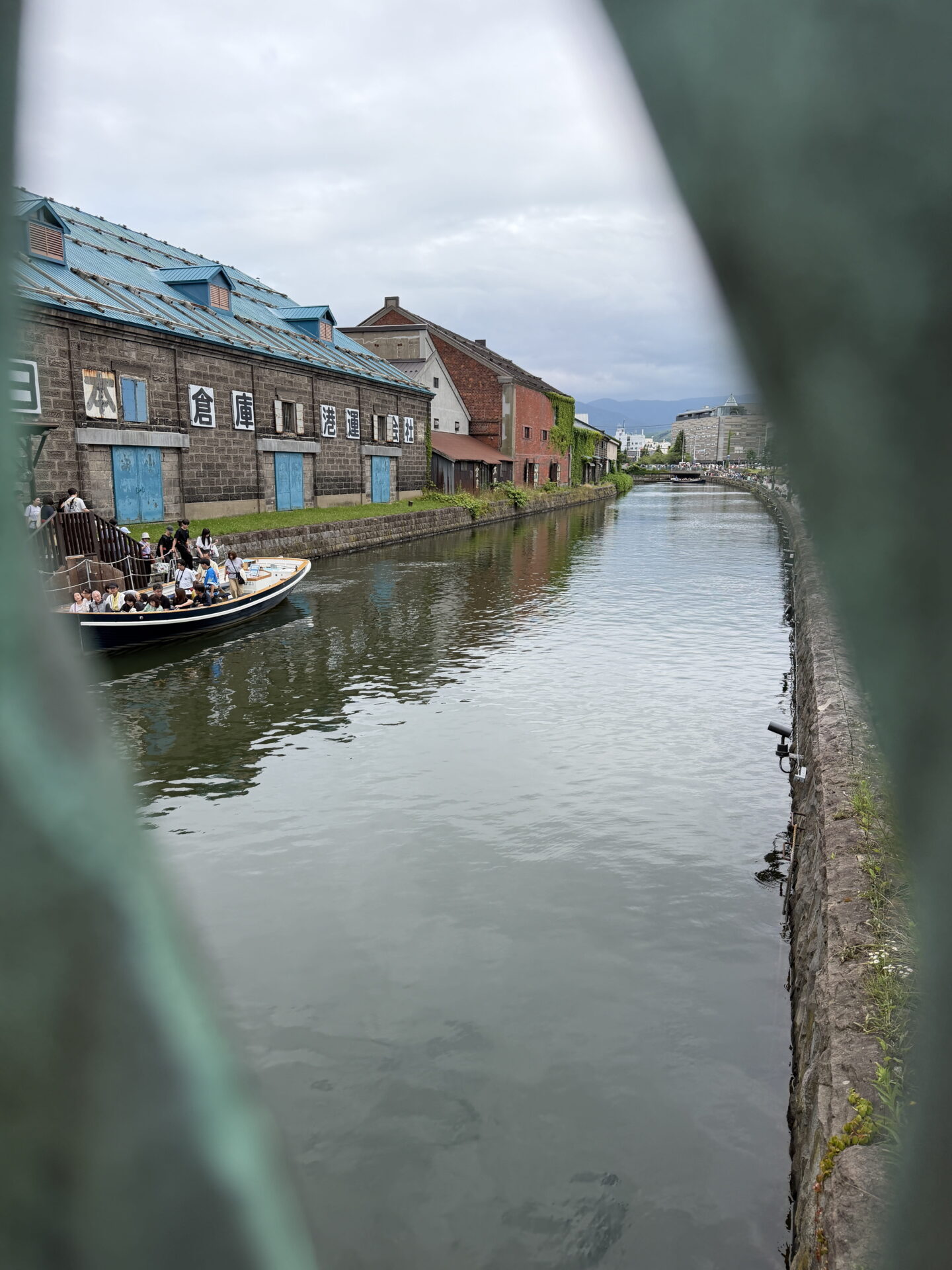
One of the biggest advantages of visiting Otaru in summer is that you can spend plenty of time walking around outdoors.
Sapporo felt noticeably more comfortable than the sweltering 39°C we’d had in Tokyo just days before arriving. Being able to explore without constantly searching for air conditioning was a welcome change.
Otaru was even cooler than Sapporo and particularly enjoyable because so much of what we wanted to see was within walking distance.
We could wander along the canal, explore Sakaimachi Street and stop for food without worrying too much about transport.
Of course, summer weather in Hokkaido can still be warm or rainy, so I’d check the forecast before setting off.
And while Otaru is also known for its gorgeous winter scenery, I wouldn’t hesitate to recommend visiting in summer.
I think it would look beautiful in every season, but you don’t need snow to appreciate its historic buildings, little shops and excellent cheesecake.
We visited Otaru as part of our 10 days in Japan in July itinerary, which also covers our time in Tokyo and the rest of our trip to Hokkaido.
How long do you need in Otaru?
I’d recommend allowing a full day for Otaru if you’re travelling from Sapporo, particularly if you enjoy browsing shops and stopping for food along the way.
However, you can still see plenty in an afternoon. That’s exactly what we did, and we didn’t feel like we’d missed out by having less time than originally planned.
If you’re short on time, I’d prioritise Otaru Canal and Sakaimachi Street, as most of the attractions I’ve mentioned are concentrated around these two areas.
Ideally, I’d allow six to eight hours for the entire day trip from Sapporo, including the return train journey. However, you don’t need that long to enjoy Otaru. A shorter visit is absolutely worthwhile, especially if you’re happy to skip attractions further out, such as Mount Tenguyama.
Can you do Otaru without a tour?
Yes, and that’s exactly what we did.
If you’re comfortable using Japanese trains, I think Otaru is one of the easiest places to explore independently from Sapporo.
The journey is relatively short, the town centre is walkable and most of the attractions I’ve mentioned are concentrated around the canal and Sakaimachi Street.
You don’t need a guide to enjoy the main sights.
However, if you’d like to combine Otaru with other parts of Hokkaido, a guided excursion may be more practical.
For example, Klook offers a full-day tour from Sapporo visiting Otaru, Cape Kamui and the Shakotan Peninsula. This is better suited to travellers wanting to see several places around Hokkaido in one day, rather than spending the whole day exploring Otaru.
It’s a very different experience from the relaxed day we had, and it gives you considerably less time to explore Otaru itself. However, I’d choose it if the coastal scenery is your priority, rather than booking it simply to visit the canal.
Tips for planning a day trip to Otaru from Sapporo
A few things I’d recommend based on our visit:
- Leave Sapporo in the morning. You’ll have more flexibility to explore without worrying about the last few hours of the day.
- Wear comfortable shoes. We spent much of our visit walking between the canal, shops and cafés.
- Don’t overplan your itinerary. Some of our favourite stops were places we discovered by accident.
- Leave room for dessert. I genuinely wouldn’t visit Otaru without stopping at LeTAO, even if it’s just for the samples.
- Think carefully before buying glass souvenirs. They’re beautiful, but you’ll need to transport them safely.
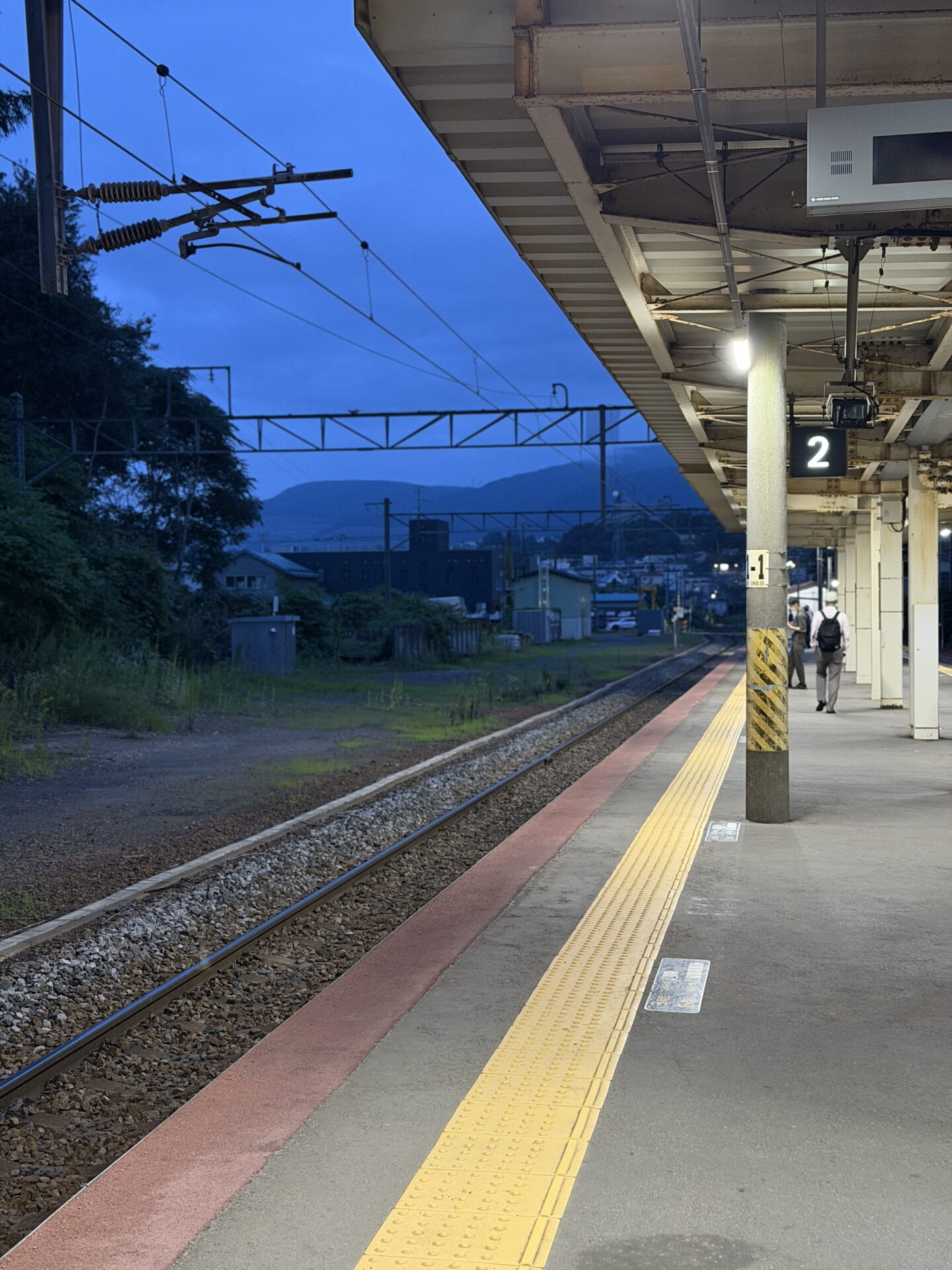
- Check the return train times. We got a little carried away exploring Otaru and only just made it back to the station in time for the last train to Sapporo. I’d recommend checking when the final train leaves so you don’t accidentally find yourself spending the night in Otaru!
- Be realistic about Tenguyama. If you’re enjoying central Otaru, don’t feel you have to leave early just to visit another viewpoint.
Would I visit Otaru again?
Yes, I would.
Otaru was one of my favourite excursions during our time in Hokkaido, largely because it was such an easy and enjoyable place to explore.
I loved wandering around Sakaimachi Street, browsing the glass shops and finding unexpected places to stop for food and drinks.
The canal was lovely, but I think the town has more to offer than that one famous view.
If you’re planning a few days in Sapporo, I’d definitely recommend setting aside a day for Otaru.
And if you’re looking for more ideas for the rest of your stay, I’ve also shared my favourite things to do in Sapporo.
For me, Otaru is exactly the sort of place that makes travelling beyond Japan’s biggest cities so worthwhile.
If you found this guide on planning a day trip to Otaru helpful, PIN IT!
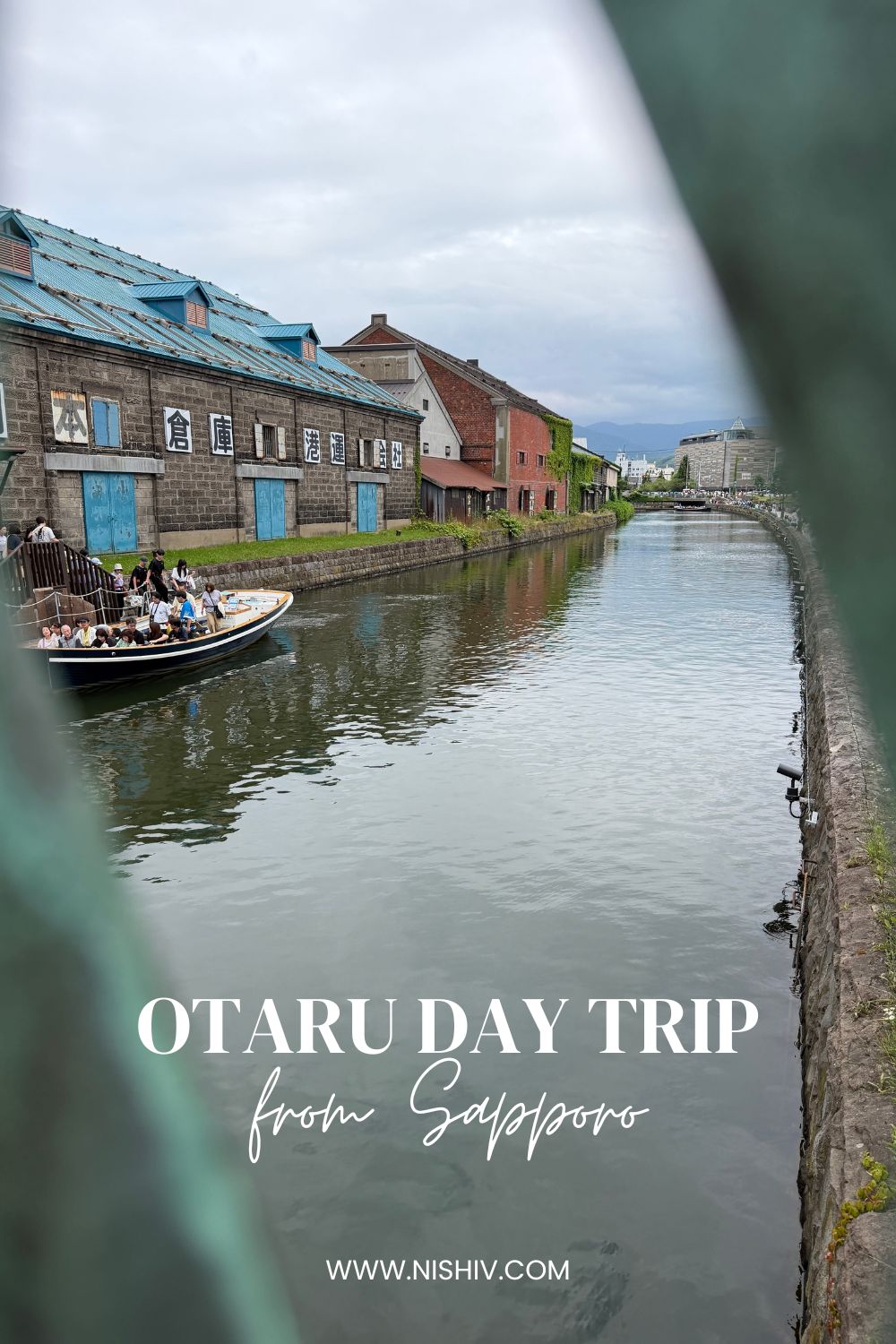
Read more about planning a trip to Japan:
- 10 Days in Japan in July for First-Time Visitors
- 5 Days in Tokyo: A First-Timer’s Tokyo Itinerary
- Where to Stay in Tokyo for the Best First Time Experience
- Park Hotel Tokyo Review: Is This Art Hotel Worth Staying At?
- 40 Things to Do in Tokyo on Your First Trip
- My Asakusa Sumo Experience: Is It Worth Booking?
- Street Kart Tokyo Bay: Is It Worth Doing?
- Hakone Day Trip From Tokyo: Route, Tips & Mistakes to Avoid
- Renting a Grandma in Tokyo: What Happened When We Tried It
- Things to Do in Sapporo: 22 Places to Visit on Your First Trip
- 5 Days in Sapporo: A First-Timer’s Sapporo Itinerary
- Sapporo Grand Hotel Review: Why I Loved It
- Day Trip to Otaru from Sapporo: What to See and Do
Need help planning your trip from start to finish?
Check out these helpful links:
- 👉🏼 Find cheap flights
- 👉🏼 Savings on accommodation from boutique hotels to affordable resorts
- 👉🏼 The most comprehensive resource to help plan excursions on your next trip
- 👉🏼 This pass gives you free lounge access to over 1500 airport lounges
- 👉🏼 Affordable car rental options
- 👉🏼 Book land and water transport for travelling around South East Asia
- 👉🏼 Use code: NISHI9255 to get £2.50 off your first eSIM before you travel
- 👉🏼 Pay anywhere in the world, in any currency, using your debit card without fees
- 👉🏼 Travel insurance with essential medical & travel coverage at low premiums
